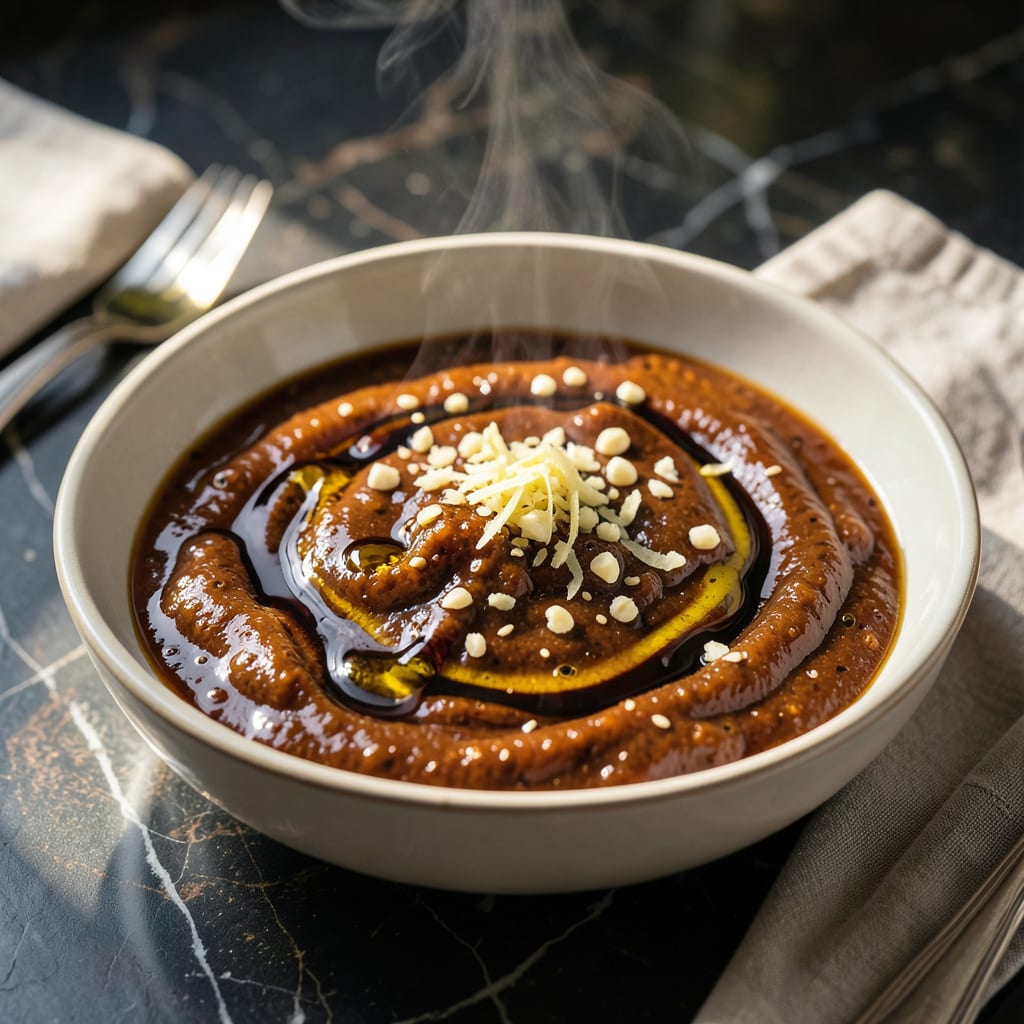
This sauce transforms ordinary wings into a perfect balance of sweet, smoky, and umami flavors. Developed through years of pitmaster experience, it delivers restaurant-quality results with minimal effort.
With just a few pantry staples and 10 minutes of simmering, you’ll create a glossy glaze that clings beautifully to wings. The combination of Asian-inspired ingredients creates depth that keeps everyone reaching for more.
Ingredients for Asian Bbq Wing Sauce
Nine ingredients build this complex, glossy Asian-inspired wing glaze with minimal effort.
| Ingredient | Amount | Notes |
|---|---|---|
| Hoisin Sauce 🥫 | ¾ cup | Essential for umami depth |
| Honey 🍯 | ½ cup | Balances smoky and salty notes |
| Soy Sauce 🥫 | ¼ cup | Low-sodium preferred for control |
| Rice Vinegar 💧 | 2 tbsp | Adds necessary acidity and brightness |
| Sesame Oil 🫒 | 1 tbsp | Toasted variety for nutty aroma |
| Garlic Cloves 🧄 | 4 cloves | Minced for even distribution |
| Fresh Ginger 🌿 | 1 tbsp | Finely grated for smooth texture |
| Sriracha Sauce 🌶️ | 1 tbsp | Adjust to preferred heat level |
| Liquid Smoke 🔥 | ½ tsp | Optional but recommended for depth |
[recipe_ingredient_scaler]
The hoisin sauce is non-negotiable here—Koon Chun or Kikkoman brands deliver consistent depth and thickness. Soy sauce should be low-sodium to control salt levels, but regular works in a pinch. For the sesame oil, toasted sesame oil is critical (the light kind won’t cut it). Most Asian markets carry these staples at better prices than standard grocery chains.
No hoisin? Mix equal parts soy sauce and brown sugar with a pinch of garlic powder as a substitute. Honey can be swapped for maple syrup or agave if needed. Sriracha not on hand? Gochujang or chili garlic sauce work too (start with half the amount). Liquid smoke can be skipped, but it’s worth hunting down for that authentic pitmaster flavor.
This sauce keeps beautifully. Store in an airtight container in the fridge for up to 2 weeks, or freeze for 3 months. The flavors deepen over time, so making it a day ahead is actually ideal. Bring to room temperature before using for best consistency.
Why You’ll Love This Recipe
- I’ll be real: I make a big batch and use half for wings, half for chicken skewers the next day.
- 5-Minute Mix: I just dump hoisin, honey, soy, vinegar, and sesame oil in a bowl and stir—no cooking, no fuss.
- Sticky Sweet Heat: The hoisin and honey give it that glossy, finger-licking glaze with a perfect sweet-savory balance.
- Party or Pajamas: I’ve used it for game day wings and lazy weeknight dinners—works for both.
Step-by-Step Instructions for Asian BBQ Wing Sauce
Master this technique to achieve a glossy, balanced sauce with layers of sweet, smoky, and umami depth.
Step 1: Bloom Aromatics in Sesame Oil
Heat 1 tbsp Sesame Oil in a medium saucepan over medium heat until it shimmers. Add 4 cloves Garlic Cloves (minced) and 1 tbsp Fresh Ginger (finely grated), stirring constantly for 1-2 minutes until fragrant and just beginning to turn light golden.
This step releases the essential oils from the garlic and ginger, creating a flavor foundation that will infuse the entire sauce. Be careful not to let them burn—a burnt garlic note will dominate the finished product. The sesame oil’s nutty aroma should become pronounced as it heats.
Step 2: Combine Liquid Ingredients and Simmer
Pour in the 0.75 cup Hoisin Sauce, 0.5 cup Honey, 0.25 cup Soy Sauce, 2 tbsp Rice Vinegar, and 1 tbsp Sriracha Sauce. Stir well to combine, scraping up any browned bits from the bottom of the pan.
Add 0.5 tsp Liquid Smoke and bring the mixture to a gentle simmer. Reduce heat to medium-low and let it cook for 8-10 minutes, stirring occasionally, until the sauce thickens slightly and develops a glossy sheen.
Step 3: Reduce to Desired Consistency
After 8 minutes, check the consistency. The sauce should coat the back of a spoon but still be pourable. If it’s too thin, continue simmering for 2-3 more minutes, watching closely to prevent over-reduction.
The finished sauce will have a deep mahogany color and a complex aroma where the sweetness of the honey, the saltiness of the soy, and the smoky depth all come through. The vinegar’s acidity should brighten the flavors without being discernible as a separate note.
Step 4: Cool and Thicken Slightly
Remove the sauce from heat and let it cool for 10 minutes at room temperature. As it cools, it will thicken further to the perfect consistency for coating wings—thick enough to cling but still easy to brush on.
At this stage, taste and adjust if needed. If you prefer more heat, you could add additional sriracha, though the current balance should provide a pleasant warmth that complements the sweet and smoky elements without overpowering them.
Pro Tips For Making Asian Bbq Wing Sauce
- Simmer Gently: Cook the sauce on medium-low heat—high heat will make the honey burn and turn bitter. I learned this the hard way after ruining a batch by rushing it.
- Balance the Sweetness: Use about 2 tablespoons of rice vinegar to cut through the honey and hoisin. Sounds weird, but it works: the tang keeps the sauce from being cloying.
- Skip the Over-Reducing: Reduce the sauce just until it coats the back of a spoon—go too far and the honey will caramelize into a sticky, hard-to-toss mess.
- Toast the Sesame Oil: Add the sesame oil at the end, off the heat, to preserve its nutty aroma. My grandmother swore by this, and she was right: heating it too long dulls the flavor.
Wine and Beer Pairings for asian bbq wing sauce
Craft Beer Pairings
An IPA with citrusy hops, like Stone Brewing IPA, cuts through the sauce’s sweetness beautifully. The bitterness balances the honey and hoisin, while the citrus notes complement the rice vinegar’s brightness. I always reach for this pairing first. 🍺
Light Lager Options
A crisp Asian lager, such as Sapporo or Singha, offers a refreshing contrast to the sauce’s bold flavors. The light body won’t overpower the wings, and the subtle malt sweetness harmonizes with the glaze.
Wine Selections
For wine lovers, an off-dry Riesling works wonders—the residual sugar mirrors the sauce’s sweetness while the acidity cleanses your palate. I prefer a German Kabinett Riesling for its balanced profile. 🍷
Dark Beer Alternatives
A porter or stout with coffee or chocolate notes, like Guinness, can be surprisingly good. The roasted malt flavors echo the smoky depth from the liquid smoke, creating a rich, layered pairing.
Non-Alcoholic Choices
For a non-alcoholic option, ginger beer with its spicy kick and effervescence lifts the sauce’s complexity. The ginger also ties back to the fresh ginger in this creation, making it a cohesive choice.
Sparkling Pairings
A dry prosecco or cava provides a bubbly contrast that refreshes between each sticky, saucy bite. The effervescence cuts through the richness, preparing your palate for the next wing. ✨
Nutrition Facts

Trained in classic French technique but raised on slow-cooked ribs and spicy rubs, she blends culinary skill with smoke and soul.
- Recipe for French Pork Spread Gorton: Savory Gallic Flavors in a Spreadable Delight - October 3, 2026
- Recipe for Pan Fried: Golden Crust with Savory Depth - October 3, 2026
- Recipe For Fried Chicken In A Pressure Cooker: Crispy Golden Bites in Half the Time - October 3, 2026