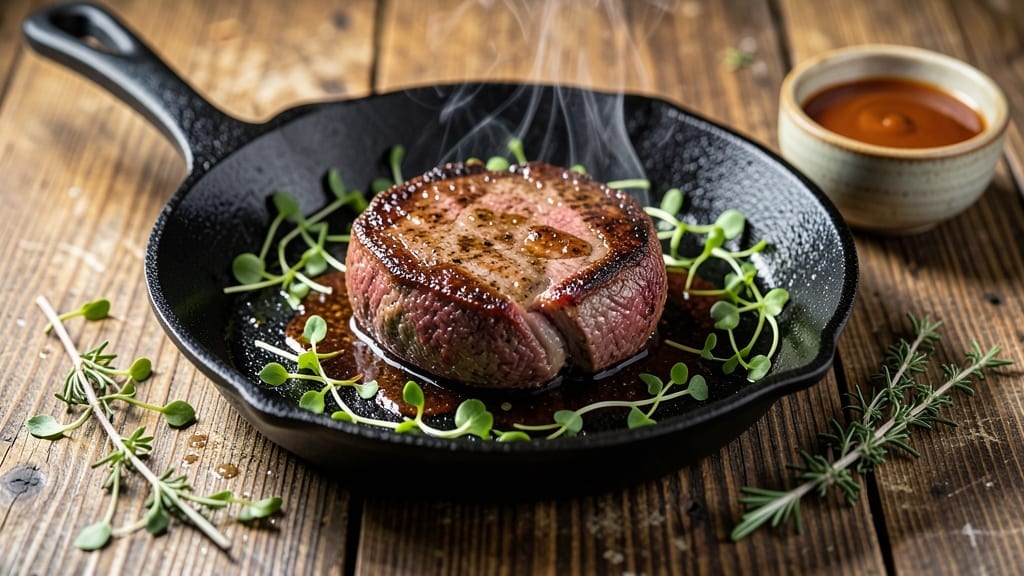
A beef bottom round roast marinade recipe transforms tough cuts into melt-in-your-mouth perfection—this blend of acid, oil, and bold seasonings works magic overnight. The day I realized French technique could elevate my rubs, I began experimenting with marinades that tenderize while infusing deep, complex flavors.
This isn’t just about seasoning; it’s about breaking down fibers so every bite is juicy and rich.
The secret lies in balancing acidity (like red wine vinegar) with aromatic oils and fresh herbs, creating a marinade that penetrates deeply. I developed this blend over years of slow-cooked roasts, knowing that patience pays off in tender, flavor-packed results.
The garlic, rosemary, and black pepper don’t just add taste—they work together to transform the meat’s texture entirely.
After 12–24 hours in the fridge, your beef will emerge tender enough to slice with a fork, infused with layers of savory, herby goodness. This marinade doesn’t just flavor—it redefines how you experience bottom round roast.
The best part? It keeps well for up to 5 days, so you can prep ahead for stress-free cooking.
Perfect for holiday roasts, family dinners, or when you crave a restaurant-quality centerpiece without the fuss. Here’s the blend that turns tough cuts into showstoppers—let’s get started.
Ingredients for beef bottom round roast marinade
The perfect blend to transform tough beef into melt-in-your-mouth perfection overnight.
| Ingredient | Amount | Notes |
|---|---|---|
| Red Wine Vinegar 🍷 | ¾ cup | High-quality, dry variety |
| Extra-Virgin Olive Oil 🫒 | ½ cup | Fruity, peppery, cold-pressed |
| Garlic Cloves 🧄 | 6 whole | Peeled, roughly chopped |
| Fresh Rosemary 🌿 | ¼ cup | Needle leaves only, finely chopped |
| Black Peppercorns 🌶️ | 1 tbsp | Freshly cracked, coarse |
| Diamond Crystal Kosher Salt 🧂 | 1 ½ tbsp | Coarse, for even distribution |
| Dried Thyme 🍃 | 1 tbsp | Or 1 tbsp fresh thyme leaves |
| Brown Sugar 🍯 | 2 tbsp | Light, for subtle sweetness |
| Ground Mustard 🌿 | 1 tbsp | Dijon preferred for depth |
| Worcestershire Sauce 🍶 | 1 tbsp | Lea & Perrins brand recommended |
[recipe_ingredient_scaler]
The red wine vinegar is non-negotiable—it’s the acid that tenderizes while adding depth. Trader Joe’s or Whole Foods carry excellent dry varieties, but skip the balsamic or sweet ones. The olive oil should be fruity and peppery; California Olive Ranch or Colavita are my go-tos. Fresh rosemary makes all the difference, but if you’re using dried, double the amount. For garlic, I always grab the organic bulbs from the store’s produce section—they’re fresher than the pre-minced jars. The black peppercorns? Crack them fresh with a mortar and pestle or a good pepper grinder—pre-ground loses its punch fast.
No red wine vinegar? Apple cider vinegar or balsamic work in a pinch, but the flavor profile shifts slightly. Swap the fresh rosemary for 1 tbsp dried, but toast it first in a dry pan for 30 seconds to wake up the flavor. Honey or maple syrup can replace the brown sugar if you’re avoiding it. The Worcestershire sauce adds that umami kick—if you’re vegetarian, vegan Worcestershire works just as well. For a deeper marinade, add 1 tsp smoked paprika or a pinch of ground coriander. And trust me, the ground mustard just add flavor—it helps the marinade cling to the meat.
This marinade keeps beautifully in an airtight container in the fridge for up to 5 days, so you can prep ahead for holiday feasts. For long-term storage, freeze it in ice cube trays—just thaw overnight in the fridge before using. The beef should marinate for at least 12 hours, but 24 hours is ideal for maximum tenderness. I always double the batch—one for the fridge, one frozen for next month’s roast. The flavors meld beautifully over time, so don’t rush it.
Why You’ll Love This Recipe
- No-Stress Marinating: I’ve got a secret—this marinade takes less effort than chopping veggies for a side dish. Just whisk together the vinegar, olive oil, and spices, let them hang out for 10 minutes, and boom—your beef is ready to go. The rosemary and garlic don’t even need fancy prep; roughly chopped works just fine, and the Worcestershire sauce adds that “I didn’t do anything but throw stuff in a bag” magic.
- Umami Bomb: That Worcestershire sauce and Dijon mustard? Game-changers. They turn a basic beef roast into something with depth—like a restaurant-worthy flavor without the restaurant price. The brown sugar caramelizes just enough to balance the tangy vinegar, and the rosemary? It’s like a piney, aromatic hug for your meat.
- Holiday Hack: Need to feed a crowd but hate last-minute stress? This marinade keeps for five whole days in the fridge, so you can prep it ahead and focus on other things. My family always asks for seconds because the beef is so tender, and I get to spend the holiday cooking less instead of more.
- Budget-Friendly Luxury: Bottom round is one of the most affordable cuts, but this marinade makes it taste like you splurged on filet. The spices and vinegar are dirt cheap, and you’ll have leftovers—either to use on another roast or even toss into pasta sauce for that rich, beefy depth. Win-win.
Step-by-step instructions for a flavorful beef bottom round roast marinade
This marinade transforms tough bottom round into melt-in-your-mouth perfection.
Combine the Acidic Base
In a large mixing bowl, pour in the ¾ cup red wine vinegar and ½ cup extra-virgin olive oil. The vinegar acts as a natural tenderizer, breaking down muscle fibers while the olive oil carries flavor deep into the meat. Whisk vigorously for 30 seconds until the mixture becomes emulsified—you’ll see it thicken slightly and take on a cloudy appearance.
Here’s the thing—don’t skip this emulsification step. The oil and vinegar need to marry properly to create a cohesive marinade that clings to the beef rather than pooling. If you’re worried about separation later, just give it another quick stir before using.
Incorporate Aromatics and Seasonings
Add the 6 peeled garlic cloves (roughly chopped) and ¼ cup finely chopped fresh rosemary to the vinegar-oil mixture. The rosemary should be needle leaves only—this ensures you’re getting maximum flavor without the woody stems. Stir well to distribute the aromatics evenly throughout the marinade.
Next, sprinkle in the 1½ tablespoons diamond crystal kosher salt, 1 tablespoon dried thyme, 1 tablespoon freshly cracked black peppercorns, and 2 tablespoons brown sugar. The salt and sugar work together to create an osmotic effect that draws moisture into the meat, while the thyme and pepper add depth. Stir again until everything is fully incorporated—you should see the spices begin to bloom slightly in the mixture.
Add the Finishing Touches
Pour in the 1 tablespoon ground mustard and 1 tablespoon Worcestershire sauce. The mustard adds a subtle tang and helps the marinade adhere to the beef, while the Worcestershire sauce brings umami depth that transforms ordinary beef into something extraordinary. Stir one final time to ensure everything is uniformly distributed.
Here’s where it gets interesting: Let the marinade sit at room temperature for 10 minutes before using. This brief resting period allows the flavors to meld together, creating a more cohesive blend that will penetrate the beef more effectively. You’ll notice the mixture becomes slightly more aromatic as the spices release their oils.
Apply to the Beef
Place your 3-4 pound beef bottom round roast in a resealable plastic bag or large shallow dish. Pour the marinade over the beef, ensuring it’s completely coated on all sides. For best results, I like to use a baster to distribute the marinade evenly, especially in the crevices and along the edges where it tends to pool.
Seal the bag or cover the dish and refrigerate for 12-24 hours, turning the beef occasionally to ensure even exposure. The acid in the vinegar will begin working immediately to tenderize the meat, while the oil and spices infuse it with flavor. Don’t exceed 24 hours—beyond this point, the vinegar can start to “cook” the meat’s surface, potentially making it mushy.
Prepare for Cooking
Before cooking, remove the beef from the marinade and let it sit at room temperature for 30 minutes. This step is crucial for even cooking—cold meat takes longer to heat through and can lead to uneven doneness. Discard any unused marinade (never reuse it as it may contain harmful bacteria).
Pat the beef dry with paper towels before cooking. This may seem counterintuitive after marinating, but removing the moisture ensures a better sear. The dry surface will also help create that beautiful crust we’re after. Your beef is now ready for roasting—whether you’re planning to slow-cook it for tenderness or sear it quickly for a firmer texture.
Pro Tips For Making Beef Bottom Round Roast Marinade
- CRACK THE PEPPERCORNS RIGHT: I used to toss whole black peppercorns into the marinade and wonder why the flavor seemed muted. Freshly cracked peppercorns release their oils immediately, giving that sharp, bright punch the recipe promises. Use a mortar and pestle or a dedicated pepper grinder—no substitutions here.
- EMULSIFY FOR ADHERENCE: That 30-second whisk isn’t just busywork—it’s what makes the marinade cling to the beef instead of pooling. If you’re impatient and skip it, you’ll end up with soggy spots where the vinegar and oil didn’t mix. Stir again before using, even if it looks fine.
- DON’T SKIP THE ROOM-TEMP REST: Letting the marinade sit for 10 minutes at room temperature lets the spices bloom and the flavors marry. I know, it’s tempting to rush, but this is where the depth happens. The Worcestershire and mustard especially need this time to wake up their umami game.
- USE NEEDLE-ONLY ROSEMARY: The stems in rosemary are tough and add no flavor—just chewiness. Strip just the needle leaves (about ¼ cup) and chop them finely. Trust me, your roast will taste like it came from a fancy restaurant, not your kitchen. No one will notice if you skip this, but they’ll notice if you don’t.
Make-ahead tips for beef bottom round roast marinade
Double the Batch
I always make two batches of this marinade—one for immediate use and one to freeze. After mixing, divide the marinade between two quart-sized freezer bags and lay them flat to freeze.
This way, you’ve got a backup for next month’s holiday roast without last-minute stress. Thaw overnight in the fridge before using, and you’ll have perfectly tender beef ready to go. 💫
Marinade Freezing Hacks
For best results, freeze the marinade in ice cube trays first, then transfer the frozen cubes to a labeled freezer bag. Each cube equals about 1 tbsp of marinade, perfect for smaller cuts or quick meals.
Label with the date—this marinade keeps up to 3 months without losing flavor. I use a Sharpie on the bag to jot down the date and my favorite olive oil brand.
Prep Ahead for Big Meals
When hosting a big gathering, prep the marinade 3 days ahead and store it in the fridge. The flavors deepen over time, but don’t exceed 5 days—beyond that, the acidity can start to break down the ingredients.
I like to marinate the beef the night before cooking so it’s ready to go in the morning. This way, you can focus on other prep tasks without worrying about timing. ✨
Marinate in the Fridge
Always refrigerate the beef while it marinates—never leave it at room temperature for more than 2 hours. I use a large glass dish with a lid or a resealable plastic bag to keep everything contained.
The cold temp slows down the tenderizing process just enough to let the flavors soak in without overdoing it. Trust me, the wait is worth it for that melt-in-your-mouth texture. 🧊
Room-Temperature Rest
After marinating, let the beef sit at room temperature for 30 minutes before cooking. This step is non-negotiable—it ensures even cooking and prevents cold spots in the center. I usually set a timer while I prep the oven or grill.
If you’re short on time, just let it sit on the counter while you finish other tasks. It’s a small step that makes a big difference in the final result. 🕒
Nutrition facts
Frequently asked questions
Can I use this marinade on other cuts of beef?
This marinade works beautifully on other tough cuts like chuck roast or flank steak. The acid and spices tenderize while adding rich flavor. Just adjust marinating time to 6-12 hours for thinner cuts to avoid over-tenderizing. For pork shoulder or chicken, halve the marinating time to 4-6 hours to prevent a mushy texture.
Why does the recipe call for resting the marinade before using?
The 10-minute rest lets the flavors meld together so they penetrate the beef more effectively. This step creates a more cohesive marinade that clings better and infuses the meat evenly. Think of it as letting the spices “breathe” before they meet the beef—just like letting a good rub sit before applying it.
What happens if I marinate the beef longer than 24 hours?
After 24 hours, the vinegar starts to “cook” the meat’s surface, potentially making it mushy or overly tender. The acid can also break down the proteins too much, creating a grainy texture. Stick to 12-24 hours for perfect results, and always refrigerate the beef during marinating.
Can I make this marinade without Worcestershire sauce?
Yes! Replace the 1 tablespoon Worcestershire with 1 teaspoon soy sauce or ½ teaspoon liquid smoke for depth. If you’re vegetarian, use ½ teaspoon miso paste or 1 teaspoon tamari. The umami will still shine through, just with a slightly different flavor profile.
How do I ensure the marinade coats the beef evenly?
Use a baster to gently press the marinade into crevices and edges—this prevents pooling. For extra coverage, poke small holes in the beef with a fork before applying the marinade. Turn the beef occasionally while refrigerating to guarantee even exposure. Pro tip: Pat the beef dry before cooking for a better sear!

Trained in classic French technique but raised on slow-cooked ribs and spicy rubs, she blends culinary skill with smoke and soul.
- Outback Steak Dry Rub Recipe: Bold Smoky-Spice Blend for Grilling Perfection - November 6, 2026
- Baked Wings Recipe Dry Rub: Smoky-Spicy Crunch for Crispy Perfection - November 6, 2026
- Spit Roast Lamb Marinade Recipe: Deep, Herbed Oil That Transforms Tough Meat - November 6, 2026