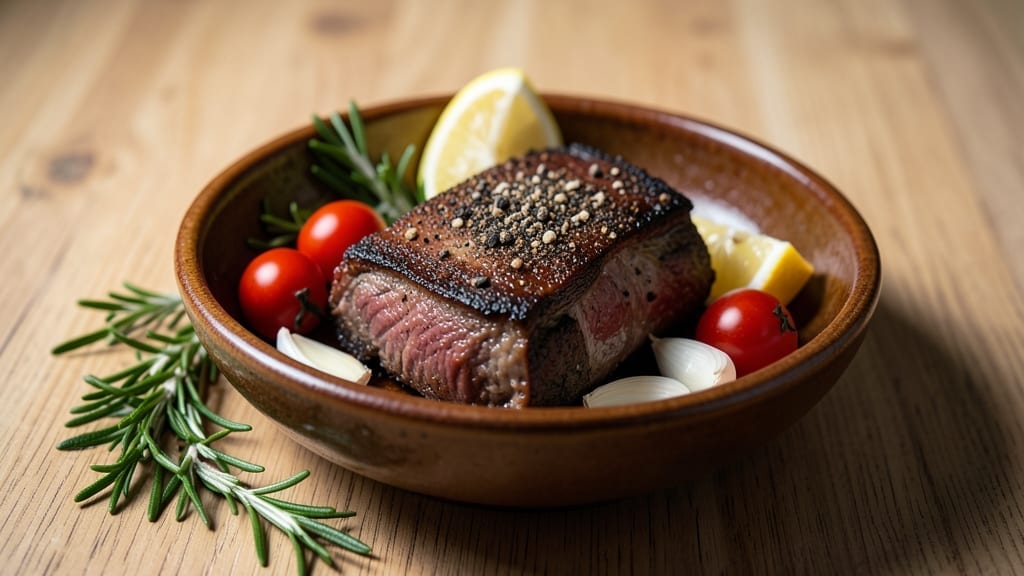
Beef short rib dry rub recipe transforms tough cuts into melt-in-your-mouth perfection with just a few simple ingredients and precise technique. This method delivers that coveted smoky, caramelized bark without needing a smoker or hours of babysitting. I developed it after years of experimenting with different spice blends and cooking times—what you get is restaurant-quality flavor with minimal effort.
The secret lies in balancing sweet, smoky, and savory spices while ensuring even distribution across the meat. A 24-hour marinade in the rub lets the flavors penetrate deeply, while a slow cook ensures tender results.
The rub itself is a foolproof blend of brown sugar, smoked paprika, garlic powder, and a touch of cayenne—simple ingredients that create complex flavor.
By the time you pull these ribs from the oven, you’ll have a deep, smoky crust that gives way to fork-tender meat inside. The aroma alone will have everyone gathering around the table. This technique works equally well for oven-baked or slow-cooked ribs, making it versatile for any occasion.
Perfect for game day, family dinners, or meal prep—just store the cooked ribs in the fridge for up to 5 days. The rub keeps well in an airtight container for months, so you can always have this flavor profile on hand.
Let’s get started on creating ribs that’ll impress even the most discerning guests.
Ingredients for beef short rib dry rub
Pantry staples meet premium cuts for ribs with restaurant-quality depth and smoky complexity.
| Ingredient | Amount | Notes |
|---|---|---|
| Beef Short Ribs 🥩 | 4 lb | Bone-in, cut into 2-inch cubes |
| Light Brown Sugar 🍚 | ½ cup | Packed, for caramelization |
| Smoked Paprika 🌶️ | ¼ cup | High-quality, vibrant color |
| Garlic Powder 🧄 | 2 tbsp | Freshly ground preferred |
| Ground Black Pepper 🌶️ | 1 ½ tbsp | Freshly cracked for potency |
| Kosher Salt 🧂 | 1 ½ tbsp | Diamond Crystal preferred |
| Ground Cumin 🌿 | 1 tbsp | Toasted for depth |
| Onion Powder 🧅 | 1 tbsp | Finely ground |
| Cayenne Pepper 🔥 | ½ tbsp | Adjust for heat preference |
| Extra-Virgin Olive Oil 🫒 | 2 tbsp | For even coating |
| Yellow Onion 🧅 | 1 whole | Thinly sliced for aromatics |
| Garlic Cloves 🧄 | 6 cloves | Minced for marinade |
| Beef Broth 💧 | 1 cup | Low-sodium preferred |
| Fresh Thyme 🌿 | 2 sprigs | Or 1 tsp dried |
[recipe_ingredient_scaler]
The beef short ribs are the foundation—look for well-marbled cuts with a vibrant red color. Local butchers or high-end grocers like Whole Foods often carry superior quality compared to standard supermarket options. If using bone-in ribs, trim excess fat to prevent flare-ups during cooking. The smoked paprika should be a rich, deep hue—Penzeys or McCormick Gourmet brands deliver consistent quality. For the brown sugar, opt for light variety to avoid overpowering sweetness, though dark brown works in a pinch. The garlic powder should be freshly ground; pre-ground spices lose potency quickly, so check the date on the package.
No smoked paprika? A blend of regular paprika plus a dash of liquid smoke mimics the effect, though it won’t be identical. Substitute onion powder with 1 tbsp of finely ground dried onion flakes if needed. For heat-sensitive cooks, reduce the cayenne pepper to 0.25 tbsp or replace with a pinch of chipotle powder. The extra-virgin olive oil is non-negotiable—it ensures even distribution of the rub and adds subtle fruitiness. If you’re prepping ahead, store the dry rub components separately in an airtight container for up to 6 months; combine only when ready to use. The beef broth can be swapped for a mix of water and Worcestershire sauce (1 tbsp) for umami depth.
Cooked ribs reheat beautifully—simmer in the same juices for 3-5 minutes to restore moisture. Portion into glass containers and refrigerate for up to 5 days or freeze for 3 months. The dry rub itself keeps indefinitely in a cool, dark place, making it ideal for batch prep. For leftovers, slice against the grain and serve on toasted brioche buns with a sprinkle of fresh thyme. The marinade base (broth, garlic, onion) can be stored separately for 5 days—simply reheat before using.
Why You’ll Love This Recipe
- No-Fuss Flavor Bomb: That dry rub—just whisk together the light brown sugar, smoked paprika, and garlic powder—sticks to the ribs like glue, and honestly, I don’t even measure half the time. The ground black pepper and kosher salt balance it out so perfectly, you’ll forget you’re not buying it pre-made.
- Crispy-Outside, Creamy-Inside Magic: The cayenne pepper adds a little kick, but the real star is that extra-virgin olive oil sear—it caramelizes the sugar into a sticky crust while keeping the inside so tender it falls apart. That crispy edge with the creamy center? Chef’s kiss.
- Leftover Powerhouse: Cook once, eat twice. Those ribs taste even better the next day, especially when I reheat them with a splash of the pan juices. My kids fight over the leftovers, and honestly, I don’t blame them—it’s that toasted cumin and onion powder working their magic.
- Budget-Friendly Luxury: Four pounds of beef short ribs might sound pricey, but this dry rub stretches it into a meal that feels like a restaurant treat. The beef broth and thyme keep it rich without adding cost, and the rub itself? You’ll use it again and again—just store those spices separately for up to six months. Worth every penny.
Step-by-step instructions for beef short rib dry rub preparation
A perfectly balanced dry rub transforms tough beef short ribs into melt-in-your-mouth tenderness with a deep, smoky crust.
Prepare the Beef Short Ribs for Maximum Flavor Infusion
Pat the 4 lb beef short ribs completely dry using paper towels, focusing on the bone-in surfaces and between the meaty sections. This step is critical—excess moisture prevents the dry rub from adhering properly and creates steam instead of a flavorful crust. Once dry, arrange the ribs in a single layer on a baking sheet or large plate.
Use your fingers to gently separate the meat fibers along the natural grain, creating small channels for the rub to penetrate. This technique, called “dry-brining,” ensures the spices cling to every surface and develop a deep, caramelized crust during cooking. Work quickly to avoid re-wetting the meat.
Combine and Apply the Dry Rub Evenly
In a medium bowl, whisk together the ½ cup light brown sugar, ¼ cup smoked paprika, 2 tbsp garlic powder, 1½ tbsp ground black pepper, 1½ tbsp kosher salt, 1 tbsp ground cumin, 1 tbsp onion powder, and ½ tbsp cayenne pepper. The light brown sugar will form a fine, moist powder—this helps the rub stick to the meat and promotes caramelization during cooking.
Pour the dry rub mixture over the prepared beef short ribs, ensuring each piece is thoroughly coated on all sides. Use your hands to press the rub firmly into the meat, working it into the crevices and along the bones. The ribs should appear uniformly dusted with a deep reddish-brown hue. Transfer the rubbed ribs to a clean baking sheet or tray, ensuring they don’t overlap.
Rest and Develop the Flavor Before Cooking
Cover the rubbed beef short ribs tightly with plastic wrap and refrigerate for at least 4 hours, or ideally overnight. This resting period allows the spices to penetrate deeply into the meat and the sugar to begin breaking down, creating a sticky, flavorful crust. The longer you rest the ribs, the more intense the flavor will be.
Before cooking, remove the ribs from the refrigerator and let them sit at room temperature for 30 minutes. This ensures even heat distribution during cooking, preventing cold spots that can lead to uneven browning. The ribs should be fully coated in the rub, with no dry patches remaining.
Optional Pre-Cook Sear for Enhanced Crust Development
Heat a large cast-iron skillet or heavy oven-safe pan over medium-high heat until it’s smoking hot. Add 2 tbsp extra-virgin olive oil and swirl to coat the bottom evenly. Place the beef short ribs in the pan, bone-side down, and sear undisturbed for 4-5 minutes until a deep golden-brown crust forms.
Flip the ribs and sear the other side for another 4-5 minutes. This step is optional but highly recommended—it jumpstarts the Maillard reaction, creating a rich, caramelized foundation for the dry rub. The ribs should develop a glossy, sticky glaze from the caramelizing sugar. Transfer the seared ribs to a plate and set aside.
Cook to Tender Perfection with Aromatics
In the same skillet, add the thinly sliced 1 yellow onion and 6 minced garlic cloves, cooking for 3-4 minutes until softened and fragrant. Pour in 1 cup beef broth and scrape up any browned bits from the bottom of the pan. Add the 2 sprigs fresh thyme, then return the beef short ribs to the skillet, bone-side up.
Cover the skillet and transfer to a preheated 300°F oven (or maintain heat on the stovetop over low heat). Cook for 3 hours, turning the ribs occasionally to ensure even exposure to the liquid and aromatics. The ribs are done when they easily pull apart with a fork and the internal temperature reaches 205°F at the thickest part of the meat.
Pro Tips For Making Beef Short Rib Dry Rub
- DON’T SKIP THE FIBER SEPARATION: I used to slap the rub on and call it a day—until I realized the meat wasn’t absorbing flavor like it should. Take those 2 minutes to gently pull apart the fibers with your fingers. The rub sticks better and melts into the meat instead of just sitting on top.
- USE TOASTED CUMIN: That 1 tbsp of ground cumin isn’t just filler—it’s the earthy backbone of this rub. Toast it in a dry pan for 30 seconds until fragrant before mixing. I learned this the hard way: raw cumin tastes bitter and dull compared to the warm, nutty depth of toasted.
- SEAR BONE-SIDE DOWN FIRST: The bones hold heat like a heat sink, so sear them down first for 4-5 minutes. This ensures the meat side gets that perfect crust when you flip, not a sad, undercooked center. (Yes, I’ve ruined ribs by skipping this—don’t be me.)
- WHISK THE SUGAR FIRST: The ½ cup light brown sugar will clump like a stubborn child if you don’t whisk it into the dry spices first. Break it up with your fingers while mixing, then let it sit for 5 minutes before applying. Trust me, your rub will stick like glue and caramelize into a glossy crust instead of falling off in chunks.
Troubleshooting perfect results
Rub Adherence Issues
If your dry rub isn’t sticking to the ribs, the meat is likely too moist. Always pat the 4 lb beef short ribs completely dry with paper towels before applying the rub.
I use two layers of towels to ensure no moisture remains. Let the ribs air-dry for 10-15 minutes after patting to create a better bond. 💡
Uneven Spice Distribution
Clumping can happen if you don’t whisk the rub thoroughly. In a medium bowl, mix the ½ cup light brown sugar, ¼ cup smoked paprika, and other spices with a fork or whisk until fully combined.
I use a fine-mesh sieve to break up any lumps before applying. This ensures even coverage on every rib piece.
Overly Sweet Rub
The ½ cup light brown sugar provides caramelization but can dominate if overused. If you prefer less sweetness, reduce it to ¼ cup and add 1 tbsp extra smoked paprika to maintain depth.
Balance is key—too much sugar can mask the savory spices. Taste the dry rub mixture before applying to test the flavor profile.
Burnt Exterior, Undercooked Inside
A high heat sear can create a burnt crust while the meat remains tough. If searing, use medium-high heat and cook for 4-5 minutes per side only.
I recommend using a meat thermometer to check internal temperature—aim for 145°F before finishing in the oven. This prevents overcooking while developing that perfect crust.
Ribs Staying Tough After Cooking
Low oven temperature or insufficient cooking time often causes this. Cook at 300°F for 3 hours, turning occasionally, until the internal temperature reaches 205°F. If using a slow cooker, cook on low for 8-10 hours instead. The longer, slower cook breaks down collagen for that melt-in-your-mouth texture. 🔥
Nutrition facts
Frequently asked questions
Why does the dry rub need to rest before cooking?
The 4-hour to overnight rest lets the spices penetrate deeply and the ½ cup light brown sugar begin caramelizing. This creates a sticky, flavorful crust that clings perfectly to the ribs. Skipping this step results in uneven flavor distribution and a less intense taste.
Can I use pre-ground spices instead of freshly ground?
Freshly ground spices like garlic powder and black pepper deliver maximum potency, but pre-ground works in a pinch. Just check the package date—older spices lose flavor quickly. For best results, toast whole spices lightly in a dry pan before grinding if possible.
What if my ribs burn before reaching 205°F?
Lower the oven to 275°F after 2 hours to prevent burning while finishing the cook. Alternatively, cover the ribs with foil to slow cooking. Always use a meat thermometer to check internal temperature—205°F ensures perfect tenderness without overcooking the crust.
Can I make the dry rub ahead of time?
Store the dry rub components separately in an airtight container for up to 6 months. Combine only when ready to use. The ½ cup light brown sugar and spices maintain their potency when kept dry and cool. This makes meal prep effortless for busy weeks ahead.

Trained in classic French technique but raised on slow-cooked ribs and spicy rubs, she blends culinary skill with smoke and soul.
- Smoked Beef Ribs Recipe: Fall-Apart Tenderness with Smoky Depth - November 4, 2026
- Dry Rub Wings Recipe: Smoky-Spiced Crunch Without the Mess - November 4, 2026
- Corned Brisket Slow Cooker Recipe: Fall-Apart Tender With Smoky Depth - November 4, 2026