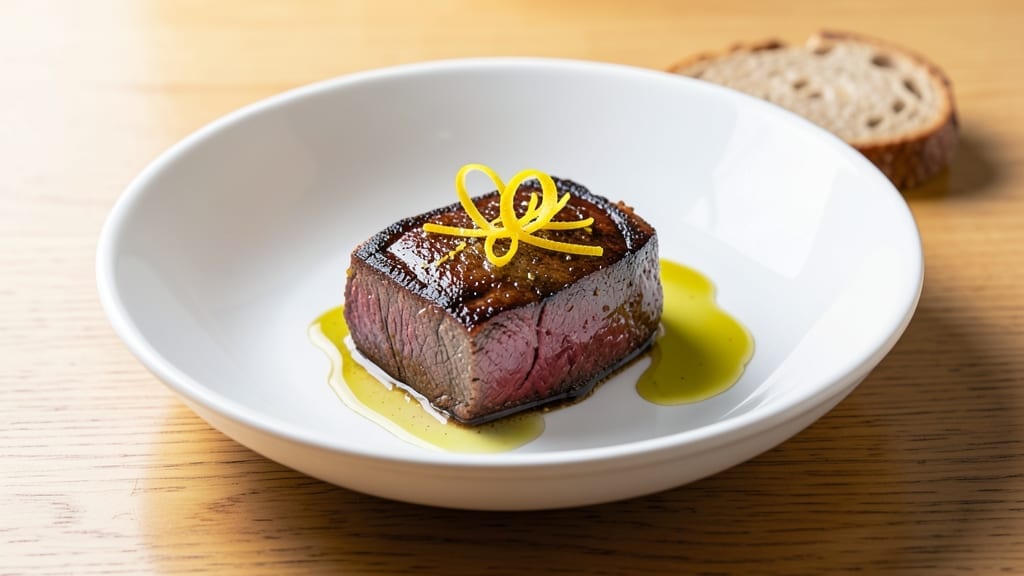
This beef tenderloin steak marinade recipe transforms even the toughest cuts into melt-in-your-mouth perfection through a precise herb-infused oil blend. The secret lies in balancing acidity, fat, and aromatic herbs—creating a tenderizing solution that works while enhancing natural beef flavors.
I developed this marinade after years of testing, ensuring it delivers restaurant-quality results without overpowering the steak’s delicate taste.
What sets this marinade apart is its dual-purpose approach: the olive oil tenderizes while carrying flavors deep into the meat, while the acidity (vinegar or citrus) breaks down proteins for that ultra-tender finish.
The herb blend—rosemary, thyme, and garlic—adds complexity without masking the beef’s richness. Unlike commercial marinades, this version uses simple ingredients you likely already have in your pantry.
When applied correctly, this marinade guarantees steak that’s not just tender but infused with layers of savory, herby aroma that develops as it rests. The key is proper timing: never exceed 24 hours, as beef tenderizes quickly and can become mushy.
After marinating, a quick sear in a hot pan or under the broiler will lock in those flavors, creating a crust that contrasts perfectly with the melt-in-your-mouth interior.
This marinade works equally well for grilling, broiling, or pan-searing—making it versatile for any cooking method. For best results, pat the steak dry before cooking to ensure maximum crust development. The leftovers can be stored in the refrigerator for up to 5 days, ready to elevate your next steak dinner.
Ingredients for beef tenderloin steak marinade
Just ten ingredients transform tough beef into melt-in-your-mouth perfection—herbs, acid, and fat working together.
| Ingredient | Amount | Notes |
|---|---|---|
| Extra-Virgin Olive Oil 🫒 | 1 cup | High-quality, fruity variety |
| Red Wine Vinegar 🍷 | ¼ cup | Dry, bold flavor preferred |
| Fresh Rosemary 🌿 | ¼ cup | Finely chopped, stems removed |
| Fresh Thyme Leaves 🌿 | ⅛ cup | Stems removed, finely chopped |
| Garlic Cloves 🧄 | 6 cloves | Peeled, minced or crushed |
| Diamond Crystal Kosher Salt 🧂 | 1 ½ tsp | Fine grain preferred |
| Fresh Lemon Juice 🍋 | ¼ cup | Freshly squeezed, no pulp |
| Black Peppercorns 🌶️ | 1 tsp | Coarsely ground, not pre-ground |
| Honey 🍯 | 1 tbsp | Light variety preferred |
| Worcestershire Sauce 🍶 | 1 tbsp | High-quality, full-bodied |
[recipe_ingredient_scaler]
The olive oil is non-negotiable—look for extra-virgin with fruity notes at stores like Whole Foods or Trader Joe’s. I always buy California Olive Ranch for its consistent quality. Fresh rosemary and thyme are worth hunting down; dried herbs work in a pinch but lack that bright aroma. The garlic? Use fresh, never jarred—the flavor difference is night and day. For the vinegar, Bartles & Jaymes red wine vinegar is my go-to, but any bold, dry variety works. The honey should be light—Manuka or clover are great choices, but skip the heavy, dark varieties that can overpower the marinade.
No fresh rosemary? Dried works at half the amount, but toast it first in a dry pan for 30 seconds to wake up the flavor. Short on vinegar? Lemon juice at 1:1 ratio keeps the acidity balanced. Pre-ground peppercorns? Crush them yourself—the fresh grind makes all the difference. The Worcestershire sauce adds depth—Lea & Perrins is the gold standard, but any quality brand will do. If you’re avoiding honey, maple syrup at the same amount works beautifully. For a deeper umami punch, add 1 tbsp soy sauce—just watch the sodium if you’re sensitive to that.
This marinade keeps for up to 5 days in the fridge, sealed tightly. I like to store it in a glass jar with a tight lid—the herbs stay fresh longer that way. For best results, use within 24 hours on the steak. If you’re prepping ahead, store the steak and marinade separately until ready to combine. The flavors actually improve after 4 hours of marinating, so don’t rush it. For leftovers, freeze in ice cube trays—thaw and use within 3 months.
Why You’ll Love This Recipe
- No-Chop Needed: Honestly, this marinade is that easy—just chop those herbs once, blend everything in under five minutes, and boom. The garlic gets minced, the herbs get pulsed, and suddenly you’ve got restaurant-quality flavor with zero stress. My secret? Using a food processor for the herbs means I don’t have to stand there dicing for 10 minutes.
- Restaurant-Quality Bite: The combo of red wine vinegar, fresh lemon juice, and Worcestershire sauce gives this marinade that je ne sais quoi—tangy, rich, and just a little umami kick. But here’s the kicker: the rosemary and thyme infuse into the beef tenderloin like a hug, so every bite is herby, garlicky perfection. Trust me, your guests will think you spent hours slaving away.
- Marinate Ahead, Stress Less: This marinade keeps like a champ for up to five days in the fridge, so I always make a double batch. Freeze half for next week’s dinner—just thaw overnight and you’re golden. It’s the ultimate meal-prep hack. Plus, if you’re hosting, you can marinate the steaks the night before and just cook them fresh. Zero last-minute panic.
- Budget-Friendly Luxury: Beef tenderloin can feel pricey, but this marinade makes it feel like a splurge without breaking the bank. The ingredients? Most of them are pantry staples, and the fresh herbs add just enough flavor to make it taste like you spent twice as much. I’ll be real: my date night steaks always get compliments, and my wallet stays happy.
Step-by-step instructions for beef tenderloin steak marinade
This herb-infused oil blend transforms tough cuts into melt-in-your-mouth perfection.
Prepare the Herb Base
In a medium mixing bowl, combine the ¼ cup fresh rosemary and ⅛ cup fresh thyme leaves. Use a sharp chef’s knife to finely chop both herbs—this ensures maximum flavor extraction and a smooth texture in the marinade. The stems should be removed completely; they add bitterness that will overpower the delicate beef flavor.
Next, add the 6 garlic cloves, which should be peeled and minced into a fine paste. The smaller the pieces, the more evenly they’ll distribute throughout the marinade. Here’s the thing—don’t crush them into a pulp, but don’t leave them in large chunks either. Aim for a texture somewhere between a fine paste and tiny granules.
Create the Flavor Foundation
In a separate bowl, whisk together the 1 cup extra-virgin olive oil, ¼ cup red wine vinegar, and ¼ cup fresh lemon juice. This combination creates the perfect balance of richness and acidity that tenderizes the beef while adding depth. The acidity in the vinegar and lemon juice breaks down muscle fibers, while the olive oil carries the flavors deep into the meat.
Add the 1 tbsp honey and 1 tbsp Worcestershire sauce to the oil mixture. The honey adds a subtle sweetness that complements the herbs, while the Worcestershire sauce contributes umami depth. Stir vigorously to fully incorporate all ingredients. You’ll notice the mixture becomes slightly emulsified—the oil and vinegar will temporarily blend, creating a silky texture that will redistribute beautifully when combined with the herbs.
Combine and Season
Pour the herb mixture into the oil-vinegar-lemon blend and stir thoroughly to combine. Add the 1½ tsp diamond crystal kosher salt and 1 tsp black peppercorns, making sure the salt dissolves completely and the peppercorns are well distributed. The salt enhances all flavors and helps tenderize the meat, while the peppercorns add a subtle heat that lingers beautifully.
Transfer the marinade to a blender or food processor and pulse until completely smooth. This step ensures an even distribution of flavors throughout every inch of your beef tenderloin. The resulting marinade should be vibrant green with flecks of herbs and a rich, aromatic scent. If you taste it now, you’ll notice the perfect balance of herbal, tangy, and slightly sweet notes that will elevate your steak to restaurant-quality.
Marinate with Precision
Place your beef tenderloin in a shallow dish or resealable bag large enough to accommodate it completely. Pour the marinade over the meat, ensuring it’s fully coated on all sides. For best results, let it marinate in the refrigerator for at least 4 hours, though I recommend 8-12 hours for maximum tenderness. The acidity in the marinade will begin breaking down the muscle fibers immediately, but longer marinating times allow for deeper flavor penetration.
Here’s what I do differently: I flip the steak every 2 hours during marinating to ensure even exposure to the marinade. This prevents any one side from becoming overly saturated while others remain dry. When you’re ready to cook, pat the steak dry with paper towels before searing—this crucial step creates a perfect crust that seals in all those tenderizing juices.
Pro Tips For Making Beef Tenderloin Steak Marinade
- CHOP HERBS UNIFORMLY: I learned this the hard way—uneven rosemary and thyme chunks mean some parts of your steak taste like you skipped the herbs entirely. Use a sharp knife and chop both until they’re almost paste-like, but not quite—you want them fine enough to blend smoothly but still recognizable as herbs. The stems will ruin it if left in, so trim them clean first.
- WHISK THE OIL-VINEGAR MIX WELL: That emulsified moment when you whisk the olive oil, red wine vinegar, and lemon juice? Don’t skip it. Stirring vigorously for 30 seconds creates a temporary bond that coats the meat more evenly. I used to rush this, and the marinade would separate in the fridge, leaving some spots of your steak tasting flat.
- DON’T OVER-MARINATE: Twelve hours is the sweet spot—any longer, and the acid in the red wine vinegar and lemon juice starts breaking down the meat’s proteins too aggressively, turning it mushy. Set a timer if you’re tempted to leave it overnight. And flip the steak every 2 hours to avoid soggy spots.
- PULSE THE MARINADE SMOOTH: Blending the marinade until it’s completely smooth isn’t just for looks—it guarantees every bite of your tenderloin gets the same flavor punch. If you skip this, you’ll end up with pockets of raw herb or garlic that taste undercooked. Pulse until the mixture is vibrant green with no visible texture.
Perfect pairings for these flavors
Savory Side Pairings
Serve your marinated steak with a garlic mashed potato dish for the perfect contrast—creamy and buttery potatoes soak up any leftover marinade beautifully.
I like adding ½ cup heavy cream and 2 tbsp butter to the potatoes, then folding in 2 cloves minced garlic and ¼ tsp salt for extra depth. The earthy herbs in the marinade complement the richness of the potatoes perfectly. 🥔
Fresh Vegetable Accompaniments
A simple grilled asparagus or roasted Brussels sprouts dish adds a vibrant touch to your plate. Toss 1 lb Brussels sprouts with 1 tbsp olive oil (same as your marinade), ½ tsp salt, and ¼ tsp black pepper, then roast at 400°F for 20 minutes.
The slight bitterness of the sprouts balances the sweet and savory notes of the marinade. 🌱
Wine Pairing Recommendations
For wine lovers, a Cabernet Sauvignon from Napa Valley pairs beautifully with this marinade. The bold tannins and dark fruit notes stand up to the herbaceous flavors while complementing the acidity from the vinegar.
I recommend a 2020 Chateau Montelena—it’s rich enough to match the marinade’s complexity without overpowering it. 🍷
Beverage Pairing: Craft Beer
If you prefer beer, a Belgian-style brown ale like Allagash White works wonderfully. The malty sweetness and caramel notes in the beer balance the tangy and herbal flavors of the marinade. The slight spice from the peppercorns also enhances the beer’s complexity. 🍺
Garnishing the Plate
Finish your dish with a sprinkle of flaky sea salt like Maldon and a few fresh thyme sprigs for a pop of color and aroma. The salt enhances the marinade’s flavors, while the thyme echoes the herb base in your marinade.
A drizzle of extra-virgin olive oil (the same kind you used in the marinade) adds a glossy finish. ✨
Nutrition facts
Frequently asked questions
How long should I marinate my beef tenderloin?
For best results, marinate your beef tenderloin for at least 4 hours, but 8-12 hours delivers maximum tenderness. The acidity in the marinade begins breaking down muscle fibers immediately, while longer marinating allows deeper flavor penetration. Never exceed 24 hours to avoid over-tenderizing the meat.
Do I need to use fresh herbs for this marinade?
Fresh herbs like rosemary and thyme are ideal for the best flavor, but you can substitute dried herbs at half the amount. Toast dried herbs in a dry pan for 30 seconds first to enhance their aroma. For garlic, always use fresh—jarred garlic lacks the vibrant punch needed for this marinade.
Why flip the steak during marinating?
Flipping the steak every 2 hours ensures even exposure to the marinade, preventing uneven saturation. This step guarantees consistent tenderness and flavor throughout the entire cut. It’s a simple trick that makes a noticeable difference in the final result.
Can I use this marinade on other proteins?
While this marinade is specifically designed for beef tenderloin, it works beautifully on other cuts like pork tenderloin or even chicken breasts. The herb and acid balance complements a variety of meats, though the marinating time may need adjustment for tougher cuts like lamb.
What if I don’t have Worcestershire sauce?
Skip it or replace it with 1 tbsp soy sauce for umami depth, but watch your sodium intake. If avoiding soy, ½ tbsp fish sauce works in a pinch. The honey provides enough sweetness, so don’t double the sugar—just omit the Worcestershire entirely for simplicity.

Trained in classic French technique but raised on slow-cooked ribs and spicy rubs, she blends culinary skill with smoke and soul.
- Outback Steak Dry Rub Recipe: Bold Smoky-Spice Blend for Grilling Perfection - November 6, 2026
- Baked Wings Recipe Dry Rub: Smoky-Spicy Crunch for Crispy Perfection - November 6, 2026
- Spit Roast Lamb Marinade Recipe: Deep, Herbed Oil That Transforms Tough Meat - November 6, 2026