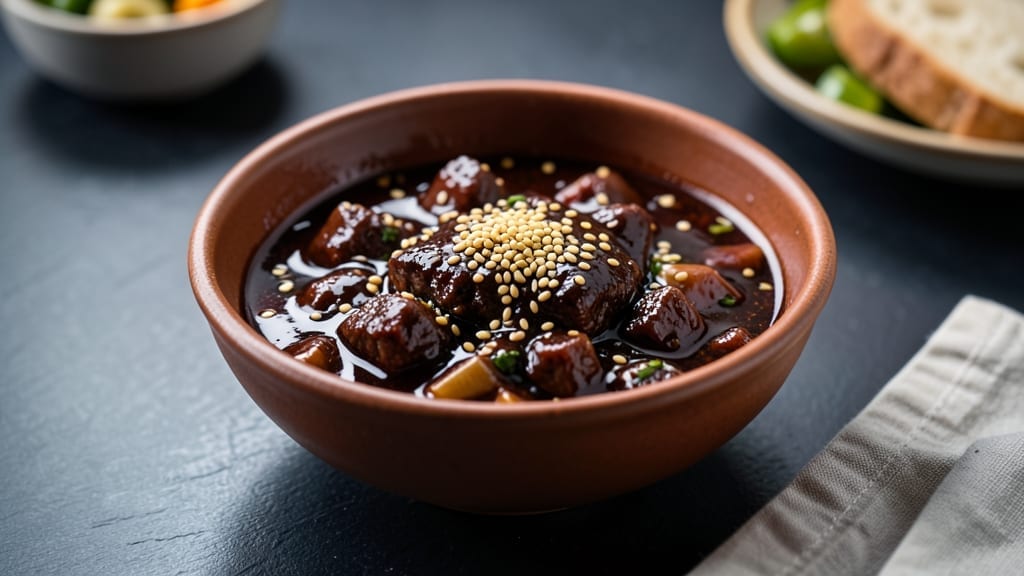
A beer steak marinade transforms tough cuts into melt-in-your-mouth perfection by blending malty depth with tenderizing acidity. This recipe balances the bold flavors of dark beer with brown sugar and mustard, creating a complex profile that caramelizes beautifully on the grill.
I developed it after years of experimenting with marinades that could stand up to high-heat cooking while keeping the steak juicy.
The secret lies in the ratio of beer to acid—just enough vinegar or mustard to break down proteins without overpowering the beer’s natural richness. Garlic and black pepper add layers of warmth, while a touch of brown sugar enhances the caramelization when seared.
This marinade works best with ribeye, sirloin, or flank steak, but its versatility extends to chicken or pork too.
What you’ll achieve is steak with a perfect crust and an interior so tender, it nearly falls apart. The beer’s maltiness lingers on the tongue long after the first bite, while the spices add just enough complexity to elevate any cut.
Best of all, the marinade keeps well in the fridge for up to 5 days, so you can prep ahead for stress-free grilling.
For maximum flavor, let the steak soak for at least 4 hours—but overnight is ideal. The longer it marinates, the deeper the flavors penetrate. Here’s how to make it work for your next cookout or weeknight dinner.
Ingredients for beer steak marinade
A bold mix of beer, mustard, and spices—this marinade turns tough steak into melt-in-your-mouth perfection.
| Ingredient | Amount | Notes |
|---|---|---|
| Dark Beer 🍺 | 1 cup | Stout or porter for richness |
| Dijon Mustard 🧈 | 2 tbsp | High-quality for tangy depth |
| Brown Sugar 🍯 | 2 tbsp | Light or dark, packed |
| Garlic Cloves 🧄 | 4 cloves | Freshly minced, aromatic |
| Extra-Virgin Olive Oil 🫒 | ¼ cup | High-quality for richness |
| Apple Cider Vinegar 🍎 | 1 tbsp | For tenderizing acidity |
| Ground Black Pepper 🌶️ | 1 tsp | Freshly cracked for heat |
| Kosher Salt 🧂 | 1 tsp | For balancing flavors |
| Worcestershire Sauce 🍶 | 1 tbsp | Umami depth, optional |
| Fresh Rosemary 🌿 | 1 tbsp | Chopped, for herbal notes |
[recipe_ingredient_scaler]
The beer is non-negotiable here. Stout or porter delivers the deepest maltiness, but IPA or amber ale work too if that’s what you’ve got. Microbreweries or craft beer stores often have better options than the grocery store—look for something with at least 5% ABV for serious flavor. The mustard? Dijon is essential—it’s got that perfect balance of tang and richness. If you’re using a pre-made marinade base, skip it—you’ll taste the difference with real ingredients. For the garlic, I always grab a head and mince it myself (that’s 4 cloves), but pre-minced works in a pinch.
No dark beer? Substitute with beef broth plus a splash of soy sauce—it’s not identical, but it’ll get you close. Running out of Worcestershire? A dash of soy sauce plus a pinch of smoked paprika mimics that umami kick. The rosemary can be swapped for thyme if you’re out, but I’d recommend grabbing some fresh—Trader Joe’s or Whole Foods usually have good bundles. The brown sugar is key for caramelization, but maple syrup works in a bind. And if you’re worried about the vinegar overpowering, don’t be—the beer’s maltiness balances it perfectly. Trust me, this marinade is forgiving!
This keeps like a champ. Store it in a glass jar in the fridge for up to 5 days, or freeze portions for 3 months if you’re prepping for a big cookout. I like to make a double batch—one for immediate use, one to freeze. The flavors actually deepen over time, so don’t rush it. When you’re ready to use it, just shake it up before pouring. Pro tip: Marinate steak for at least 4 hours, but overnight is ideal for maximum tenderness. The longer it soaks, the more the beer’s maltiness and spices penetrate the meat—game-changer for tougher cuts like flank steak.
Why You’ll Love This Recipe
- No-Fuss Marinade Magic: This marinade takes five minutes to assemble—just mincing garlic, tossing ingredients, and whisking. No fancy tools, no stress. The beer and mustard do the heavy lifting while you relax with a glass of the same stuff.
- Crave-Worthy Crust: The brown sugar and Worcestershire sauce caramelize into a sticky, savory crust when seared, while the rosemary and garlic add layers of aroma you’ll crave. That first bite? Chef’s kiss—rich, tangy, and perfectly balanced.
- Weeknight Hero: Perfect for a Tuesday night when you’re starving but don’t want to spend hours in the kitchen. Toss steaks in the marinade while you watch TV, then grill or pan-sear in under 20 minutes. My kids even ask for seconds—no judgment.
- Leftovers? No Problem: This marinade keeps for five days in the fridge, so you can prep ahead for game day, date night, or a last-minute dinner. Freeze portions too—just thaw and use. No waste, no excuses.
Step-by-step instructions for beer steak marinade recipe
Here’s how to blend this bold marinade that transforms tough cuts into melt-in-your-mouth perfection.
Mince the Garlic and Rosemary
Start by finely mincing the 4 garlic cloves and 1 tablespoon fresh rosemary. I like to use the flat side of my chef’s knife for the garlic to create a paste, and I chop the rosemary leaves separately for maximum flavor distribution. The rosemary adds a piney aroma that pairs beautifully with the malty beer, while the garlic delivers that essential aromatic punch.
Place the minced garlic and chopped rosemary in a medium mixing bowl. This prep ensures even distribution throughout the marinade, so every bite of your steak gets that herbal depth and garlic’s sweet, pungent notes.
Whisk Together Wet Ingredients
In the same bowl, add the 1 cup dark beer, 2 tablespoons Dijon mustard, 2 tablespoons brown sugar, ¼ cup extra-virgin olive oil, 1 tablespoon apple cider vinegar, 1 tablespoon Worcestershire sauce, 1 teaspoon kosher salt, and 1 teaspoon ground black pepper. The beer serves as the base, while the mustard and vinegar add tangy depth that tenderizes the meat beautifully.
Whisk vigorously for 2-3 minutes until the brown sugar dissolves completely and the mixture becomes smooth and emulsified. The sugar helps caramelize during cooking, creating a delicious crust, while the olive oil adds richness that complements the beer’s maltiness. This step is crucial—don’t skip the whisking, or you’ll end up with a separated marinade.
Test and Adjust the Balance
Taste the marinade and adjust the seasoning if needed. I usually find the 1 teaspoon kosher salt and 1 teaspoon ground black pepper provide perfect balance, but if your steak is particularly thick, you might want to add an extra pinch of salt. The brown sugar should add just the right amount of sweetness to complement the beer’s bitterness.
Here’s the thing—this marinade works best when the flavors are harmonious. If it tastes too sharp, add a touch more brown sugar. If it needs more depth, stir in an extra splash of Worcestershire sauce. The goal is a marinade that’s rich, slightly sweet, and perfectly balanced—ready to transform your steak into something extraordinary.
Marinate the Steak Properly
Place your steak in a resealable plastic bag or shallow dish and pour the marinade over it, ensuring it’s completely coated. For best results, marinate for 4-6 hours in the refrigerator. The acidity in the apple cider vinegar and beer will begin breaking down the meat fibers, making your steak incredibly tender.
Real talk: Don’t exceed 8 hours of marinating time, or the acidity can start to “cook” the meat, making it mushy. Flip the steak halfway through marinating to ensure even coating. When ready to cook, remove the steak from the marinade and let it sit at room temperature for 15-20 minutes before grilling or searing. This ensures even cooking and prevents a cold center.
Pro Tips For Making Beer Steak Marinade
- Whisk Like You Mean It: That 2-3 minutes of vigorous whisking isn’t just busywork—it’s what turns your marinade from clumpy to silky. I used to half-ass it, and the olive oil would just float on top like a sad, greasy afterthought. The sugar needs to fully dissolve, or you’ll get a grainy, uneven caramelization on your steak. Grab a proper whisk and commit—your crust will thank you.
- Mince Garlic the Right Way: Smashing those 4 garlic cloves with the flat of your knife isn’t just for show—it releases more flavor and creates a paste that clings to the meat. I learned this the hard way after serving steak with garlic that just sat there like decorative rocks. Chop the rosemary separately so it distributes evenly, too—no one wants a single herb-heavy bite.
- Don’t Over-Marinate: Eight hours max, or your steak turns to mush. The acid in the apple cider vinegar and beer is your friend, but it’s also a sneaky tenderizer that can break down too much if left too long. I once marinated a ribeye overnight for a “bold flavor,” and it fell apart like overcooked chicken. Flip the steak halfway through—4-6 hours is perfect.
- Room Temp Before Cooking: Skipping the 15-20 minute room temp rest is how you end up with a cold, unevenly cooked steak. Cold meat seizes up and cooks slower, so take it out of the fridge and let it sit while you fire up the grill. Trust me, your sear will be way more even—and your steak won’t be fighting for heat the whole time.
Make-ahead tips for this dish
Batch Prep Strategy
Double the marinade recipe and store half in a glass jar for immediate use, freezing the rest in 1-cup ice cube trays. Thaw cubes as needed—this works perfectly for future cookouts. I keep a batch in my fridge at all times, ready for last-minute steak nights. 🔥
Steak Prep Timeline
Start marinating your steak the night before cooking to maximize tenderness. Remove it from the fridge 15-20 minutes before grilling so it reaches room temperature. This ensures even cooking and prevents cold centers. I always prep my steaks on Sunday for midweek meals—it’s a game-changer.
Freezer-Friendly Marinade
Portion the marinade into quart-sized freezer bags and label with the date. It keeps for 3 months without losing flavor. When ready to use, thaw overnight in the fridge and whisk to restore texture.
I’ve used marinade thawed from the freezer for steaks that were every bit as good as fresh.
Marinade Reuse Hacks
Use leftover marinade as a pan sauce—simmer it down with a splash of beef broth for 5 minutes after searing your steak. Or, brush it on grilled veggies like asparagus or bell peppers.
The beer’s malty richness works surprisingly well on vegetables too. I’ve even drizzled it over roasted potatoes for a quick side dish.
Room Temperature Prep
If you’re cooking the same day, let the marinade sit at room temperature for 1 hour before using it. This helps the flavors meld together, but don’t leave it out longer than 2 hours to avoid bacterial growth.
I often do this when I’m grilling in the afternoon after a morning ride along the coast—it’s a perfect way to kill two birds with one stone.
Nutrition facts
Frequently asked questions
How long should I marinate my steak for best results?
For 4-6 hours in the fridge is ideal, but don’t exceed 8 hours—longer marinating can make the meat mushy. The acidity in the beer and vinegar works its magic to tenderize while developing deep flavors. Flip the steak halfway through for even coating.
Can I use this marinade on other meats besides steak?
This marinade works beautifully on chicken, pork chops, or even salmon. The beer and Worcestershire sauce add umami depth that pairs well with many proteins. Just adjust marinating time—2-4 hours for chicken and 1-2 hours for fish.
What if I don’t have Worcestershire sauce?
No problem! Mix 1 teaspoon soy sauce with ½ teaspoon smoked paprika to mimic that umami punch. The beer and brown sugar will still create a rich marinade—just add a pinch of extra salt if needed to balance flavors.
Can I make this marinade ahead of time?
Yes! Store it in a glass jar in the fridge for up to 5 days, or freeze portions for 3 months. Let it sit at room temperature for 1 hour before using if prepping same-day. The flavors actually deepen over time—perfect for meal prep!
Why does my marinade separate after whisking?
This happens when the brown sugar doesn’t fully dissolve. Whisk for 2-3 minutes until smooth—don’t rush! If it separates, blend it briefly with an immersion blender or whisk vigorously again. The olive oil helps emulsify, but sometimes extra whisking is needed.

Trained in classic French technique but raised on slow-cooked ribs and spicy rubs, she blends culinary skill with smoke and soul.
- Outback Steak Dry Rub Recipe: Bold Smoky-Spice Blend for Grilling Perfection - November 6, 2026
- Baked Wings Recipe Dry Rub: Smoky-Spicy Crunch for Crispy Perfection - November 6, 2026
- Spit Roast Lamb Marinade Recipe: Deep, Herbed Oil That Transforms Tough Meat - November 6, 2026