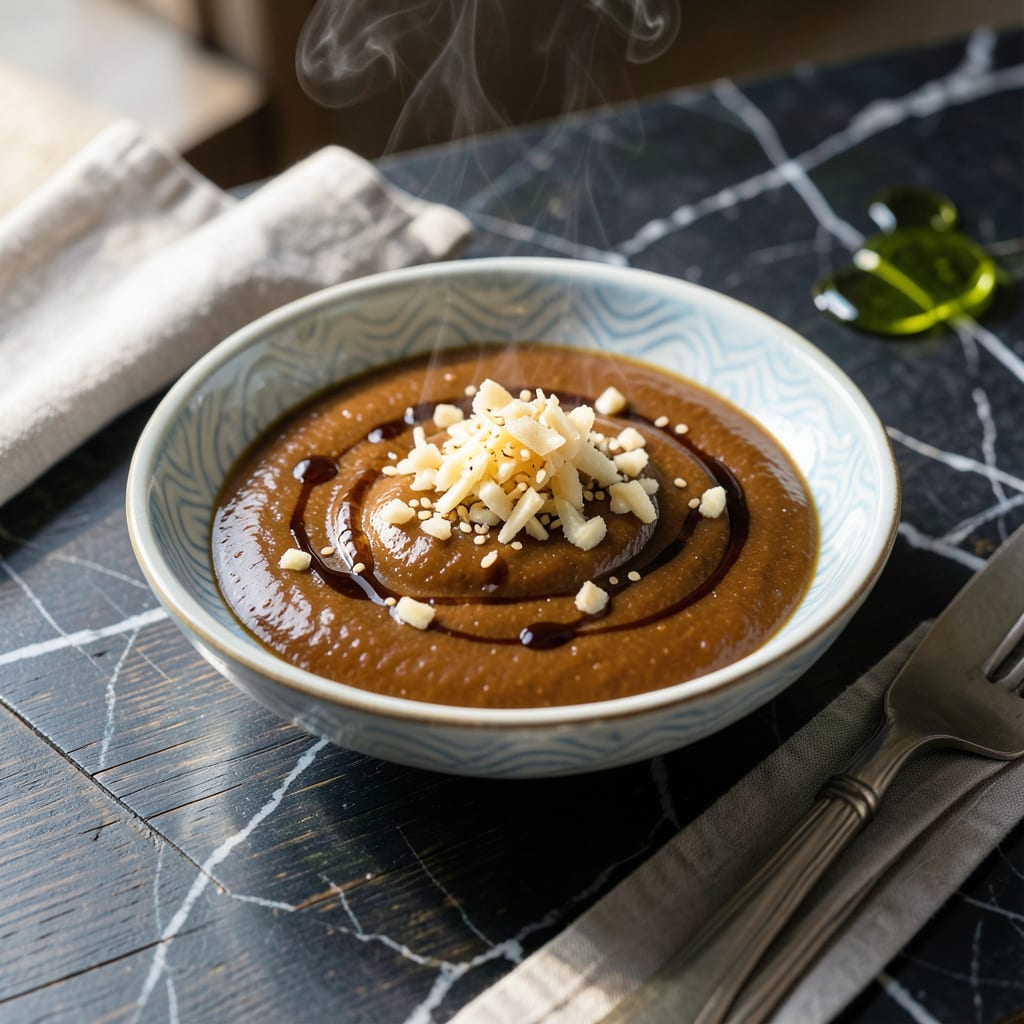
This sauce transforms ordinary grilled meats into restaurant-quality dishes with its deep umami flavor. I developed this blend after studying traditional Japanese yakitori glaze techniques.
With just a few pantry staples, you’ll create a versatile glaze that’s perfect for brushing on chicken, beef, or vegetables. The balance of sweet, salty, and savory makes it irresistible.
Ingredients for Buchanan’s Japanese Bbq Sauce
Nine pantry staples create this umami-packed glaze for grilling magic.
| Ingredient | Amount | Notes |
|---|---|---|
| Soy Sauce 🥢 | ½ cup | Low-sodium preferred for balance |
| Mirin 🍶 | ¼ cup | Sweet rice wine essential |
| Sake 🍶 | ¼ cup | Dry variety for depth |
| Dark Brown Sugar 🍚 | ¼ cup | Packed for richness |
| Rice Vinegar 🍯 | 2 tbsp | Unseasoned for acidity |
| Fresh Ginger 🌿 | 1 tbsp | Finely grated for zing |
| Garlic Cloves 🧄 | 3 cloves | Minced for pungency |
| Toasted Sesame Oil 🫒 | 1 tsp | Pure for nutty aroma |
| Gochujang 🌶️ | 1 tbsp | Korean chili paste optional |
[recipe_ingredient_scaler]
Soy sauce is the foundation here—Kikkoman or Yamasa are my go-tos for consistent quality. Mirin and sake add that authentic depth; find them in the Asian aisle at Whole Foods or any well-stocked supermarket. The brown sugar should be dark (more molasses = more complexity). Fresh ginger is non-negotiable—powdered won’t cut it. Look for plump, firm rhizomes at the store.
No mirin? Swap in 1 tbsp sugar + 1 tbsp water plus a splash more sake. Sake can be replaced with dry sherry in a pinch. For less heat, skip the gochujang or use half the amount. The sesame oil must be toasted—light sesame oil lacks the nutty punch. If you’re out of rice vinegar, apple cider vinegar works but adds a fruitier note.
This glaze keeps for 2 weeks in the fridge. Store it in a clean jar, and give it a stir before using—sugar settles. For longer storage, freeze in ice cube trays, then transfer to a bag. Thaw only what you need (worth the extra minute).
Why You’ll Love This Recipe
- Five Minute Mix: I dump all five ingredients in a pot, simmer, and it’s done before the grill heats up.
- Sweet-Savory Balance: The dark brown sugar caramelizes with the soy sauce for that sticky, umami-packed glaze I crave.
- Slathers on Everything: Honestly, it’s my secret weapon for chicken, ribs, even roasted veggies—never met a protein it didn’t improve.
- Budget Stretcher: One batch costs pennies compared to store-bought, and I’ll be real: it tastes twice as good with half the effort.
Step-by-Step Instructions for Japanese BBQ Sauce
This umami-packed glaze comes together quickly with a few professional techniques.
Step 1: Bloom the Aromatics
In a medium saucepan over medium heat, add the 1 tsp Toasted Sesame Oil. Once it shimmers, add the 1 tbsp Fresh Ginger and 3 cloves Garlic Cloves, both finely grated or minced.
Cook for 1-2 minutes until fragrant but not browned. This blooming step releases the essential oils, creating a deeper flavor base. Watch closely—garlic burns easily and turns bitter.
Step 2: Build the Liquid Foundation
Pour in the 0.5 cup Soy Sauce, 0.25 cup Mirin, 0.25 cup Sake, and 2 tbsp Rice Vinegar. Stir to combine, scraping up any browned bits from the bottom of the pan.
Bring the mixture to a gentle simmer over medium-high heat. The sake and mirin will cook off some of their alcohol content, concentrating their flavors into the sauce.
Step 3: Sweeten and Spice
Add the 0.25 cup Dark Brown Sugar and 1 tbsp Gochujang. Whisk vigorously until the sugar fully dissolves and the gochujang incorporates smoothly. The sugar adds caramelized depth while the gochujang brings subtle heat and complexity.
Reduce the heat to medium-low and let the mixture simmer for 8-10 minutes. You’ll notice it thicken slightly as the sugars reduce.
Step 4: Reduce to Glaze Consistency
Continue simmering for another 5-7 minutes, stirring occasionally. The sauce should coat the back of a spoon with a glossy sheen. Taste and adjust—if you prefer it sweeter, add a touch more brown sugar; for more tang, a splash of vinegar does the trick.
Remove from heat once it reaches your desired thickness. Remember, it will thicken further as it cools. For a smoother texture, strain out the ginger and garlic bits, though I prefer leaving them in for rustic character.
Pro Tips For Making Buchanan’S Japanese Bbq Sauce
- Reduce the Sauce: Simmer it at a gentle bubble for 8-10 minutes—any hotter and the mirin and sake will evaporate too fast, leaving you with a salty, burnt mess instead of a glossy glaze.
- Dissolve the Sugar: I learned this the hard way—whisk the dark brown sugar into the warm soy sauce first to break up those stubborn lumps before adding the rest, or you’ll be fishing out gritty bits later.
- Skip the Substitutes: After ruining a batch with dry sherry, I stopped fooling around: real sake and mirin are non-negotiable here for that authentic depth, and rice vinegar’s mild tang can’t be faked.
- Cool Before Storing: Let the sauce sit for 15 minutes off the heat before transferring to a jar—it thickens slightly as it cools, and you’ll avoid that sad, watery separation in the fridge.
Dietary Considerations for This Recipe
Gluten-Free Option
Swap regular soy sauce for tamari to make this glaze gluten-free. San-J Tamari is my trusted brand. All other ingredients are naturally gluten-free, but verify your sake and mirin labels—some contain wheat.
Sugar Alternatives
For a lower-carb version, replace brown sugar with ¼ cup coconut sugar or 2 tbsp monk fruit sweetener. The flavor profile will shift slightly, but the umami depth remains. I’ve tested both with great results. 💪
Vegan Adaptation
This sauce is already vegan as written—no animal products here! The umami comes from soy and fermented ingredients. Perfect for brushing on tofu, tempeh, or grilled vegetables at your next cookout.
Reducing Sodium
Use low-sodium soy sauce and cut the added salt entirely. Boost umami with 1 tsp white miso paste stirred in at the end. This small adjustment makes a noticeable difference without sacrificing flavor.
Allergen Notes
This recipe contains soy and sesame. For sesame-free versions, replace sesame oil with neutral avocado oil. Always check labels on sake and mirin for hidden allergens.
Spice Adjustments
Omit the gochujang entirely for a mild, kid-friendly version. For extra heat, add ½ tsp cayenne or a dash of sriracha. I often adjust spice levels based on who’s at my table. 🔥
Nutrition Facts

Trained in classic French technique but raised on slow-cooked ribs and spicy rubs, she blends culinary skill with smoke and soul.
- Recipe for Dumplings in Crock Pot: Fluffy Pillows with Minimal Effort - October 3, 2026
- Recipe For Diced Pork In Slow Cooker: Melt-In-Your-Mouth Tenderness All Day - October 3, 2026
- Recipe for Crock Pot Lasagna Using Ravioli: No-Boil Cheese Layers - October 3, 2026