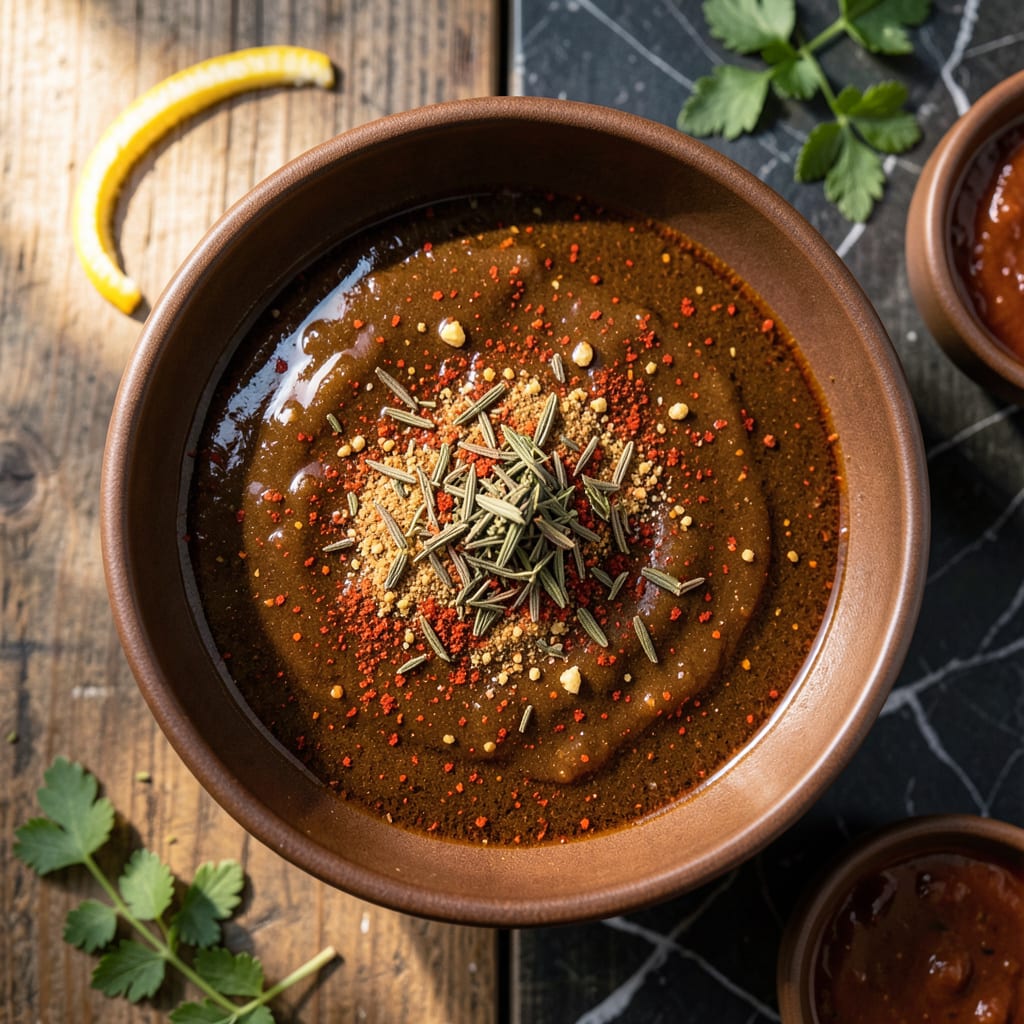
This marinade brings bold Cajun flavor to any grilled meat with a simple blend of spices and oil. I developed it to capture the essence of Louisiana cooking without overwhelming the natural taste of the protein.
With a balance of heat, herbs, and tang, it transforms chicken, pork, or shrimp into a restaurant-quality dish. Store in the fridge for up to a week for maximum versatility.
Ingredients for Cajun Marinade
Bold spices meet oil and vinegar for that Louisiana kick. Nothing complicated here.
| Ingredient | Amount | Notes |
|---|---|---|
| Paprika 🌶️ | 2 tbsp | Sweet or smoked variety |
| Garlic Powder 🧄 | 1 tbsp | Not garlic salt |
| Onion Powder 🧅 | 1 tbsp | Fresh ground preferred |
| Dried Oregano 🍃 | 1 tbsp | Rubbed between fingers |
| Dried Thyme 🌿 | 1 tbsp | Crushed for release |
| Cayenne Pepper 🔥 | 1 tsp | Adjust for heat preference |
| Black Pepper 🌶️ | 1 tsp | Freshly ground preferred |
| Sea Salt 🧂 | 1 tsp | Fine grain preferred |
| Olive Oil 🫒 | ¾ cup | Extra-virgin for richness |
| Red Wine Vinegar 🍷 | 2 tbsp | Balances spice blend |
| Worcestershire Sauce 🥫 | 1 tbsp | Use vegetarian if needed |
[recipe_ingredient_scaler]
The spices are the soul here. Penzeys has great Cajun blends if you want to shortcut, but making your own lets you tweak the heat. I grab my paprika and cayenne from bulk bins at Whole Foods—fresher than those dusty jars. The dried herbs? Rub them between your fingers as you add them. Releases all that flavor.
No cayenne? Red pepper flakes at half the amount work fine. Want more depth? Add smoked paprika instead of sweet. The Worcestershire can be swapped for soy sauce or coconut aminos if that’s what you’ve got. Vinegar-wise, apple cider vinegar is a solid stand-in. Just don’t skip the acid—it balances all that spice.
This keeps 5-7 days in the fridge. The oil might solidify if it’s cold—just let it sit out for 10 minutes before using. Freezing? Not ideal (herbs get weird), but you can do 3 months if you must. Shake it up before each use.
Why You’ll Love This Recipe
- 5-Minute Mix: I dump all the spices in a bowl—paprika, garlic powder, the works—and it’s ready before I can preheat the oven.
- Smoky Depth: The blend of oregano and thyme gives that authentic Louisiana warmth without any fuss.
- Endless Uses: I’ve slathered this on chicken, shrimp, even tofu, and it never misses.
- Pantry Staples: No special shopping required—just raid your spice rack and you’re set.
Step-by-Step Instructions for Cajun Marinade
Here’s the method. Straightforward, tested, works every time.
Step 1: Combine the Dry Spices
In a medium bowl, whisk together the 2 tbsp Paprika, 1 tbsp Garlic Powder, 1 tbsp Onion Powder, 1 tbsp Dried Oregano, and 1 tbsp Dried Thyme. I always rub the oregano and thyme between my fingers first to release their essential oils—this makes a huge difference in flavor intensity.
Next, add the 1 tsp Cayenne Pepper, 1 tsp Black Pepper, and 1 tsp Sea Salt. Stir until everything is evenly distributed. The mixture should look uniform with no visible clumps. This spice blend forms the bold, aromatic backbone of your marinade.
Step 2: Add the Wet Ingredients
Slowly pour in the 0.75 cup Olive Oil while whisking continuously. This helps emulsify the oil with the dry spices, preventing separation. The oil should fully coat all the spices, creating a thick, paste-like consistency that clings beautifully to meat.
Now add the 2 tbsp Red Wine Vinegar and 1 tbsp Worcestershire Sauce. The vinegar brightens all the flavors, while the Worcestershire adds that signature umami depth. Whisk vigorously for 30 seconds until the mixture is completely smooth and homogenous.
Step 3: Let the Flavors Meld
Cover the bowl with plastic wrap and let the marinade sit at room temperature for 15-20 minutes. This resting period allows the spices to hydrate and the flavors to meld together. You’ll notice the mixture darkens slightly as the paprika infuses the oil.
For the most intense flavor, I recommend transferring it to the refrigerator and letting it sit for at least 2 hours (overnight is even better). The cold temperature helps the spices infuse more deeply into the olive oil, creating a marinade that penetrates meat beautifully.
Step 4: Use on Your Protein
Place your meat in a resealable plastic bag or shallow dish and pour the marinade over it. I use about ¼ cup of this marinade per pound of meat. Make sure every surface is well coated—massage it in for even distribution.
For chicken or pork, marinate for 4-12 hours. For beef, 2-4 hours is plenty since the acid in the vinegar can start to “cook” the meat if left too long. Always refrigerate while marinating. The meat should take on a reddish hue from the paprika when it’s ready to cook.
Pro Tips For Making Cajun Marinade
- Toast Your Spices: Lightly toast the paprika, oregano, and thyme in a dry pan for 30 seconds before mixing—it wakes up the flavors and makes the marinade taste fresh, not dusty.
- Balance the Powders: Garlic and onion powder can overpower, so use half as much as the paprika—1 part each to 2 parts paprika keeps it bold but not bitter.
- Skip the Salt: I learned this the hard way—add salt only when you’re ready to cook, not in the marinade, or it’ll draw out too much moisture and leave your protein dry.
- Rest Overnight: Give it at least 8 hours in the fridge, but 24 is ideal—any less and the oregano and thyme won’t have time to really sink in.
Common Mistakes When Making cajun marinade
Skipping the Rest Time
I see this often—people mix everything and immediately use it. Let the marinade rest for 15-20 minutes at room temperature first. This lets the spices hydrate and the flavors meld. You’ll taste the difference in depth. 💡
Overcrowding the Meat
Use about ¼ cup marinade per pound of meat. Too much liquid dilutes the flavor. I recommend a resealable bag—it ensures every surface gets coated evenly.
Using Old Spices
Those dusty jars in your cabinet lose potency fast. For best results, buy spices in small quantities from stores like Whole Foods or specialty shops. Fresh paprika and cayenne make a noticeable difference.
Marinating Too Long
For beef, stick to 2-4 hours max. The vinegar can start to “cook” the meat, turning it mushy. Chicken and pork can handle up to 12 hours, but no longer.
Skipping the Emulsion
Whisk vigorously when adding the olive oil to prevent separation. A smooth marinade clings better to meat. I use a small whisk for this—it works better than a spoon. ✨
Ignoring the Acid
Don’t skip the red wine vinegar—it balances the heat and helps tenderize. If you’re out, apple cider vinegar works, but the flavor profile will shift slightly.
Nutrition Facts

Trained in classic French technique but raised on slow-cooked ribs and spicy rubs, she blends culinary skill with smoke and soul.
- Recipe For Oven Baked Haddock: Buttery Crumbs With Zesty Lemon Topping - October 3, 2026
- Recipe For Fried Salmon Patties With Flour: Crispy Golden Crust With Flaky Centers - October 3, 2026
- Meat and Potato Recipe Ideas: Savory Pairings for Hearty Meals - October 3, 2026