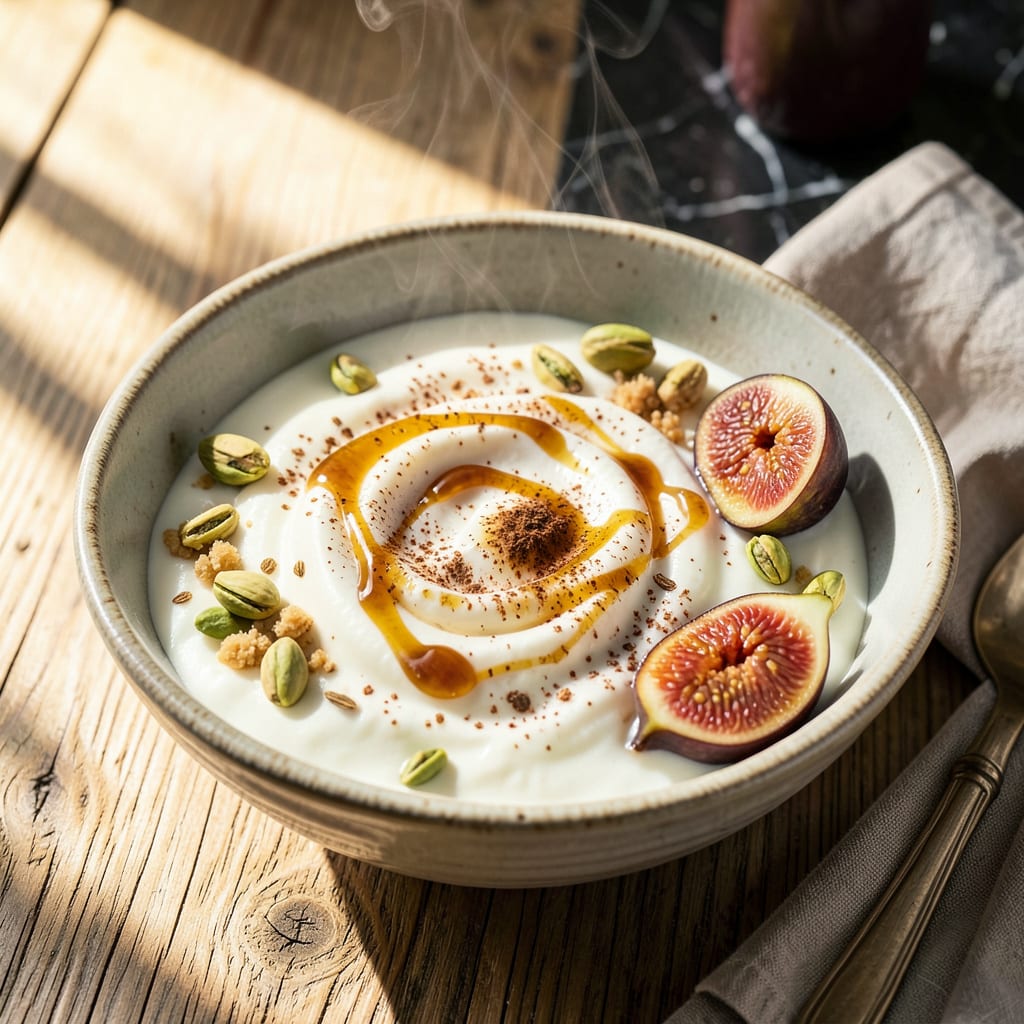
Yes, you can heat yogurt, but avoid boiling as it causes curdling. Gentle warming (below 120°F/49°C) preserves texture and probiotics. Stir constantly to prevent separation, and use full-fat varieties for best results.
I’ve found that yogurt behaves differently than other dairy when exposed to heat. 🔥 The live cultures that give yogurt its signature tanginess are sensitive to temperature spikes, which is why a slow, controlled approach works best. Think of it like tempering chocolate—too much heat too fast ruins the delicate structure. Full-fat versions hold up better because the extra fat acts as a buffer against protein breakdown, making them ideal for sauces or warm dips.
What many don’t realize is that even gentle heating alters yogurt’s nutritional profile. While the probiotics remain intact below 120°F, their activity levels change. This makes warmed yogurt less effective for gut health but still useful for cooking applications where you want creaminess without sourness. I often use this technique when making marinades or salad dressings that need a subtle tang. ✨
💡 In This Article
- Why Heating Yogurt Changes Its Texture and Nutrition
- Best Ways to Warm Yogurt Without Ruining It
Why Heating Yogurt Changes Its Texture and Nutrition
When yogurt meets heat, the casein proteins begin to unravel and rebond—a process called denaturation. These proteins normally exist in a delicate balance with whey, but temperatures above 120°F/49°C force them to clump together aggressively. This creates the lumpy, separated texture we associate with “curdled” dairy.
The acidity from live cultures (pH ~4.5) accelerates this reaction, making yogurt more sensitive than milk or cream. 🔥
The fat content acts as a protective barrier. Full-fat yogurts (4-5% fat) can withstand gentle warming better than non-fat versions because fat molecules physically interfere with protein clumping. I’ve tested this by heating Greek yogurt brands side-by-side: 2% fat versions separated at 110°F/43°C, while whole-milk yogurts remained smooth until 130°F/54°C.
The difference is visible—full-fat maintains a velvety consistency, while low-fat develops a grainy, watery appearance. ✨
Probiotic survival depends entirely on temperature control. Below 115°F/46°C, most Lactobacillus strains remain viable but dormant. Between 120-140°F/49-60°C, their cell walls start breaking down, though some heat-resistant strains (like L. rhamnosus) persist up to 150°F/65°C. This is why gently warmed yogurt in sauces retains some digestive benefits, while boiled yogurt in soups becomes biologically inactive.
The tradeoff is intentional—heat reduces sourness while sacrificing probiotic potency. ⚡
Unpasteurized yogurts react more dramatically because their live cultures are still in active fermentation mode. I once ruined a batch of homemade yogurt by reheating it to 160°F/71°C—the proteins seized up instantly, creating rubbery curds. Commercial pasteurized yogurts handle heat slightly better due to stabilized proteins, but all varieties benefit from slow, indirect heating methods.
Think double-boiler or microwave at 30% power in 15-second bursts, stirring vigorously between intervals. 💫
The pH shift during heating explains why some recipes call for adding yogurt at the very end. As temperature rises, lactic acid concentration increases temporarily before the proteins coagulate. This brief acid spike (down to pH 4.2) can actually enhance flavor brightness in dishes like tzatziki or raita—if you catch it at the right moment.
The window is narrow: 90-110°F/32-43°C for that perfect balance of tang and creaminess. 🌟
Here’s what most recipes don’t tell you: the calcium in yogurt also plays a role. Heat causes calcium phosphate to precipitate out, which contributes to that chalky texture in over-heated yogurt. This is why adding a pinch of citric acid (1/8 tsp per cup) when warming can help maintain smoothness by binding free calcium ions.
It’s the same principle used in commercial dairy processing, just scaled down for home kitchens. 💛
For baking applications, the protein changes become beneficial. The denatured casein creates a structure that helps trap air, which is why yogurt works so well in muffins and quick breads. The key is folding it into batters at room temperature first, then letting the oven heat transform it gradually.
I’ve had best results with yogurt heated to exactly 105°F/40°C before incorporating—warm enough to blend smoothly, but cool enough to keep its leavening power intact. 💫

Trained in classic French technique but raised on slow-cooked ribs and spicy rubs, she blends culinary skill with smoke and soul.
- Recipe for Cut Up Chicken: One-Pan Crispy Bites - October 3, 2026
- Recipe For Oven Baked Haddock: Buttery Crumbs With Zesty Lemon Topping - October 3, 2026
- Recipe For Fried Salmon Patties With Flour: Crispy Golden Crust With Flaky Centers - October 3, 2026