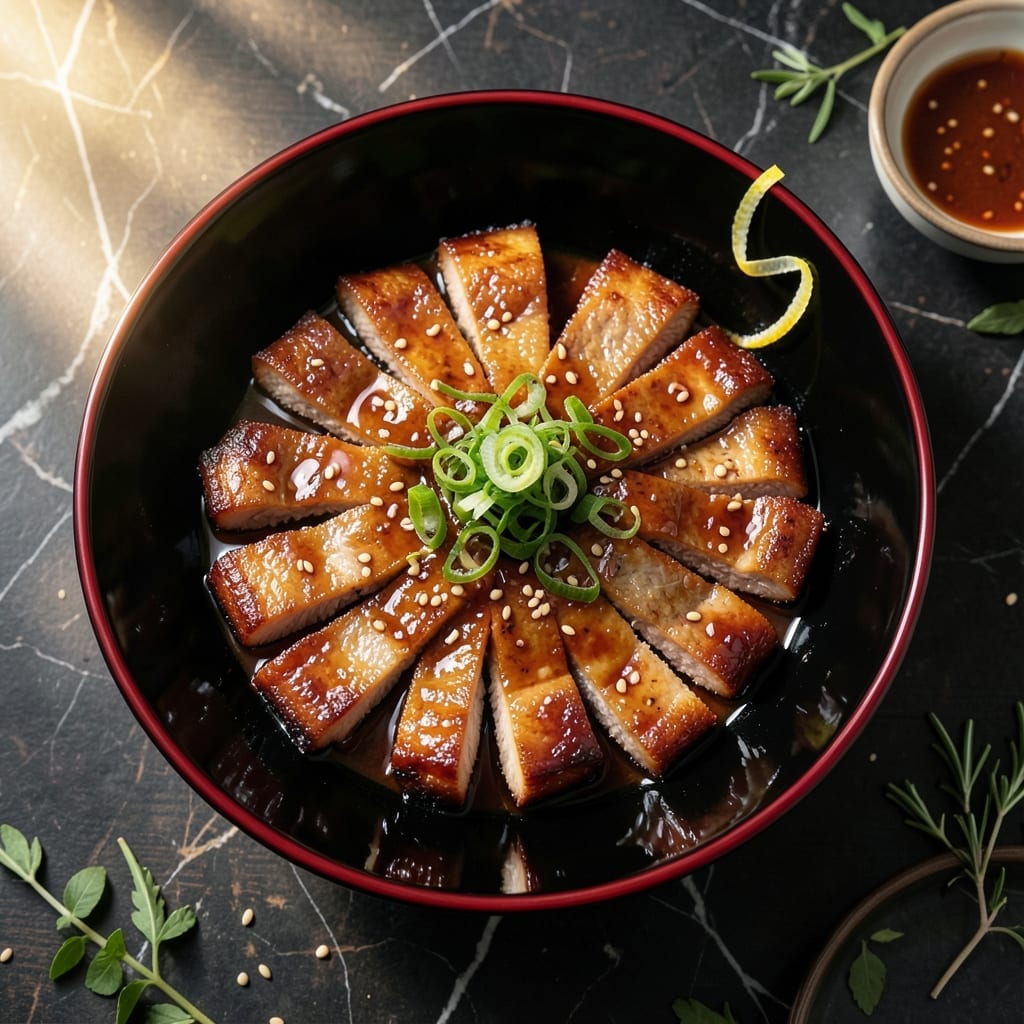
I first discovered the magic of five-spice depth in Cantonese barbecued pork at a small Chinatown spot years ago. The balance of sweet, savory, and aromatic complexity changed how I approach grilling forever.
This creation uses a traditional marinade with honey, hoisin, and Chinese five-spice powder. The key is letting the pork absorb these flavors for at least 12 hours before cooking to develop that signature char siu taste.
The result is tender pork with a sticky, caramelized exterior that glistens under the broiler. Each bite delivers layers of flavor that make this dish truly special.
Perfect for rice bowls, bao buns, or as the star of your next meal. Here’s how to make it properly.
Ingredients for Cantonese Barbecued Pork
Traditional Cantonese flavors start with these carefully selected ingredients for authentic char siu at home.
| Ingredient | Amount | Notes |
|---|---|---|
| Pork Shoulder 🥩 | 2 lb | Cut into long strips, 2-3 inches wide |
| Honey 🍯 | ½ cup | Prefer raw or local for depth |
| Hoisin Sauce 🥫 | ½ cup | Look for Koon Chun or Lee Kum Kee |
| Chinese Five-Spice Powder 🌿 | 1 ½ tsp | Freshly opened for potency |
| Soy Sauce 🫒 | 3 tbsp | Low-sodium preferred to control salt |
| Dark Brown Sugar 🍚 | 3 tbsp | Packed for caramelization |
| Shaoxing Wine 🍶 | 2 tbsp | Or dry sherry in a pinch |
| Garlic Cloves 🧄 | 4 cloves | Minced finely for marinade |
| Fresh Ginger 🌱 | 1 tbsp | Grated for even distribution |
| Red Fermented Bean Curd 🧀 | 1 piece | Mashed for umami depth |
| Sesame Oil 🫒 | 1 tsp | Toasted variety for aroma |
| Red Food Coloring 🎨 | ¼ tsp | Optional for traditional hue |
| Green Onions 🧅 | 3 whole | Thinly sliced for garnish |
[recipe_ingredient_scaler]
The pork shoulder is non-negotiable—boneless, skin-on pieces from your butcher or Asian grocery store (like 99 Ranch) give the best texture. Five-spice powder loses potency quickly, so check the expiration date or buy from a high-turnover market. For hoisin, Koon Chun or Lee Kum Kee are the gold standard. If your local store doesn’t carry Shaoxing wine, dry sherry works in a pinch (just avoid cooking wine).
No Shaoxing wine? Dry sherry or mirin can substitute—just reduce the sugar slightly. Honey can be swapped for maltose syrup (more traditional) or agave, though the flavor profile shifts. Skip the red fermented bean curd? A splash of miso paste adds similar umami. The food coloring is purely aesthetic—beet juice works for a natural alternative. Always taste your marinade before adding the pork.
The marinade keeps 3 days in the fridge, but pork should marinate 12-24 hours for best results. Cooked char siu stays fresh 4-5 days refrigerated or freezes beautifully for 3 months. Slice just before serving to keep it juicy (the ends dry out fast).
Why You’ll Love This Recipe
- One Pan Wonder: I just toss the pork shoulder with the marinade and let the oven do the work—no babysitting required.
- Sticky Sweet Magic: The hoisin and honey caramelize into this glossy, finger-licking glaze that clings to every bite.
- Weeknight Hero: Between us, this tastes like takeout but costs half and feeds us for two meals.
- Leftovers Win: Honestly, the flavors deepen overnight—shred it into fried rice or noodles the next day.
Step-by-Step Instructions for Honey-Glazed Char Siu
Here’s the method I’ve perfected for tender, caramelized pork with that signature Cantonese flavor.
Step 1: Prepare the Pork and Marinade Base
Cut the 2 lb Pork Shoulder into long strips about 2-3 inches wide, trimming any excess fat. In a large bowl, combine the 0.5 cup Honey, 0.5 cup Hoisin Sauce, 3 tbsp Soy Sauce, 3 tbsp Dark Brown Sugar, and 2 tbsp Shaoxing Wine. Stir until the mixture is smooth and the sugar dissolves completely.
This base creates the sticky, sweet-savory glaze that defines char siu. I’ve found that using low-sodium soy sauce here gives you better control over the final seasoning, especially since hoisin can be quite salty.
Step 2: Build the Aromatic Marinade
Add the 4 cloves Garlic Cloves (minced), 1 tbsp Fresh Ginger (grated), 1.5 tsp Chinese Five-Spice Powder, and 1 piece Red Fermented Bean Curd (mashed) to the bowl. Stir in the 1 tsp Sesame Oil and 0.25 tsp Red Food Coloring if using. The bean curd adds a deep umami that’s essential to authentic flavor.
Place the pork strips in the marinade, ensuring each piece is thoroughly coated. Cover and refrigerate for at least 4 hours, but overnight is ideal. The longer marinating time allows the flavors to penetrate deeply into the meat.
Step 3: Roast with Careful Basting
Preheat your oven to 375°F. Line a baking sheet with foil and place a wire rack on top. Arrange the pork strips on the rack, leaving space between each piece for even cooking. Roast for 25 minutes, then flip the pieces and baste with the remaining marinade.
Continue roasting for another 20-25 minutes, basting and flipping every 10 minutes until the pork reaches an internal temperature of 195°F and develops a glossy, caramelized exterior. Watch closely during the final minutes to prevent burning.
Step 4: Rest and Garnish for Serving
Remove the pork from the oven and let it rest for 10 minutes before slicing. This resting period allows the juices to redistribute, ensuring each slice stays moist and tender. Thinly slice the pork against the grain for the most tender texture.
Garnish with the 3 whole Green Onions (thinly sliced) and serve immediately. The green onions add a fresh contrast to the rich, sticky pork. For best results, use a sharp knife and cut just before serving to maintain the beautiful caramelized crust.
Pro Tips For Making Cantonese Barbecued Pork
- Pre-Cook the Marinade: Simmer the honey, hoisin, soy sauce, and five-spice together for 3-4 minutes first—it thickens the glaze and deepens the flavor before it even touches the pork.
- Score the Pork: Cut 1/4-inch deep slits across the fat cap of the pork shoulder so the marinade penetrates and the edges crisp up in the oven.
- Skip the Overcrowding: Roast the pork on a wire rack over a baking sheet, not directly on the pan, or the bottom will steam instead of caramelize.
- Baste Twice: I learned this the hard way—baste with the marinade after 20 minutes and again at 40 minutes for that glossy, sticky finish.
Flavor Customization for cantonese barbecued pork
Sweet Heat Variation
Add 1-2 tsp chili crisp or ½ tsp cayenne pepper to the marinade for a spicy kick. I love how the heat cuts through the sweetness, creating that perfect balance. The chili oil from my local Asian grocery store works wonders here. 🌶️
Umami Boost
For deeper savory notes, include 1 tbsp oyster sauce or 1 tsp fish sauce in your marinade. This small addition enhances the pork’s natural richness without overpowering the five-spice profile. I discovered this trick at a coastal BBQ competition.
Citrus Brightness
Balance the richness with 1 tbsp orange zest or 2 tbsp pineapple juice in the marinade. The acidity brightens the dish beautifully. I often add this when serving with rice bowls for a refreshing contrast.
Smoky Depth
For a barbecue twist, add ½ tsp smoked paprika or 1 tsp liquid smoke to the marinade. This brings a campfire essence that pairs well with the char siu’s caramelization. My motorcycle rides often inspire these smoky variations.
Herbal Touch
Incorporate 1 tbsp chopped cilantro or 1 tsp dried rosemary to the marinade for an aromatic lift. I forage wild rosemary near my foraging spots, which adds a unique piney note to the dish. 💡
Nutty Finish
Garnish with 1 tbsp toasted sesame seeds or crushed peanuts before serving. This adds a delightful crunch that complements the tender pork. The texture contrast makes each bite more exciting.
Nutrition Facts
Frequently Asked Questions
Can I use a different cut of pork?
Pork tenderloin works but dries out faster. For best results, stick with pork shoulder or pork butt as they stay juicy during cooking. Avoid lean cuts like loin.
Why does my glaze burn in the oven?
Honey and sugar caramelize quickly at high heat. Baste frequently and watch closely after 40 minutes. Lower the temperature to 350°F if it darkens too fast.
How do I get that signature red color?
The traditional hue comes from red fermented bean curd or food coloring. For a natural option, use beet juice in the marinade. The color deepens as it cooks.
Can I grill this instead of roasting?
Use indirect heat on a grill at 375°F. Rotate and baste often to prevent burning. The smoky char adds extra depth to the flavor.

Trained in classic French technique but raised on slow-cooked ribs and spicy rubs, she blends culinary skill with smoke and soul.
- Recipe for Cut Up Chicken: One-Pan Crispy Bites - October 3, 2026
- Recipe For Oven Baked Haddock: Buttery Crumbs With Zesty Lemon Topping - October 3, 2026
- Recipe For Fried Salmon Patties With Flour: Crispy Golden Crust With Flaky Centers - October 3, 2026