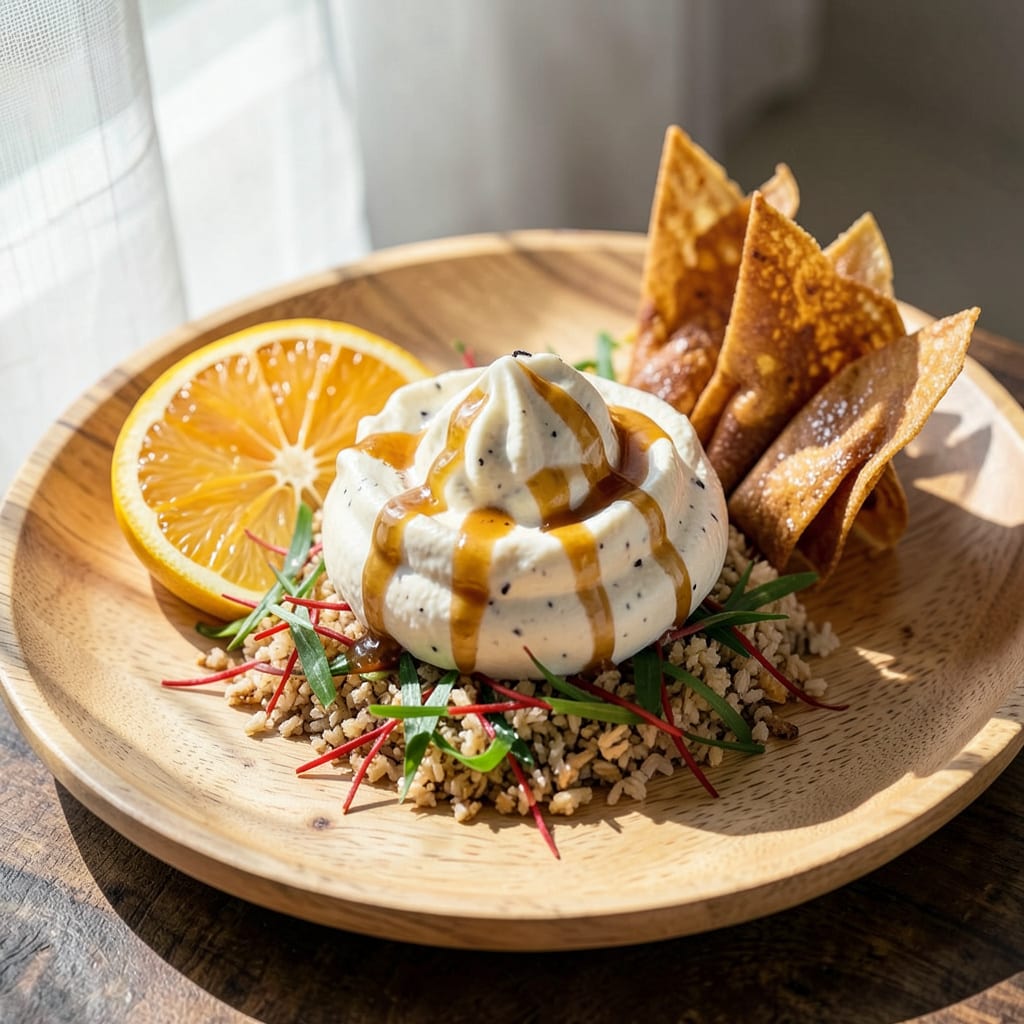
Crème fraîche isn’t widely available in Philippine supermarkets, but you can find it at specialty stores like The French Baker or Rustan’s Supermarket. For substitutes, use full-fat sour cream or mix heavy cream with buttermilk or yogurt for similar tangy richness.
I’ve noticed that many Filipino cooks face this challenge because our tropical climate makes it tough to stock perishable imported dairy. 🔥 The good news is that local alternatives can actually enhance traditional dishes—full-fat sour cream gives a similar creaminess, while a homemade blend of heavy cream and yogurt mimics the slight tang. What’s fascinating is how these substitutes often work better in our cuisine, balancing rich flavors without overpowering delicate Filipino ingredients like calamansi or coconut milk.
For those who love experimenting, I recommend trying carabao milk products from local farms—they offer a unique richness that pairs beautifully with both French and Filipino recipes. The key is adjusting fermentation times to match crème fraîche’s signature texture. ✨
💡 In This Article
- Why Crème Fraîche Is Rare in Philippine Grocery Stores
- Best Local Substitutes for Crème Fraîche in Filipino Recipes
Why Crème Fraîche Is Rare in Philippine Grocery Stores
The tropical climate is the biggest challenge for imported dairy like crème fraîche. Our average temperature of 28-32°C and humidity levels above 70% create perfect conditions for bacterial growth, reducing shelf life to just 5-7 days even with refrigeration. 🔥 Most supermarkets avoid stocking perishable imports that require constant temperature control during transport and storage.
Import regulations add another layer of complexity. The Philippines imposes strict dairy import rules that require special permits and health certificates. Crème fraîche, being a fresh dairy product, faces more scrutiny than shelf-stable alternatives.
The cost of maintaining cold chain logistics from France or other producers often makes the retail price 2-3 times higher than local dairy options, limiting consumer demand.
Cultural preferences play a significant role too. Filipino cuisine traditionally uses coconut milk, carabao milk products, and fermented dairy like kesong puti rather than European-style creams. The average Filipino household spends only about 3-5% of their grocery budget on imported specialty items.
Supermarkets prioritize products with higher turnover rates, which is why you’ll find more local cheese varieties than imported French dairy.
The limited French cuisine adoption in mainstream Filipino cooking also affects availability. While crème fraîche is essential in classic French recipes, most Filipino dishes don’t require its specific texture and tang. When recipes do call for it, local cooks have developed effective workarounds using available ingredients.
The specialty stores that do carry crème fraîche typically cater to expat communities and high-end restaurants rather than the general market.
What’s interesting is how this scarcity has led to creative solutions. Many professional chefs I know have perfected methods to ferment local heavy cream with a touch of calamansi juice to achieve similar results.
💫 The tropical environment actually helps this fermentation process happen faster than in cooler climates, sometimes producing a superior product in just 12-18 hours compared to the traditional 24-48 hours.
The few stores that do stock crème fraîche usually receive small, irregular shipments. I’ve noticed The French Baker gets theirs every other Wednesday, while Rustan’s Supermarket typically has it on weekends when they expect more expat shoppers.
This inconsistent supply chain makes it challenging for home cooks to plan recipes around this ingredient, reinforcing the cycle of low demand and limited availability.

Trained in classic French technique but raised on slow-cooked ribs and spicy rubs, she blends culinary skill with smoke and soul.
- Recipe for Dumplings in Crock Pot: Fluffy Pillows with Minimal Effort - October 3, 2026
- Recipe For Diced Pork In Slow Cooker: Melt-In-Your-Mouth Tenderness All Day - October 3, 2026
- Recipe for Crock Pot Lasagna Using Ravioli: No-Boil Cheese Layers - October 3, 2026