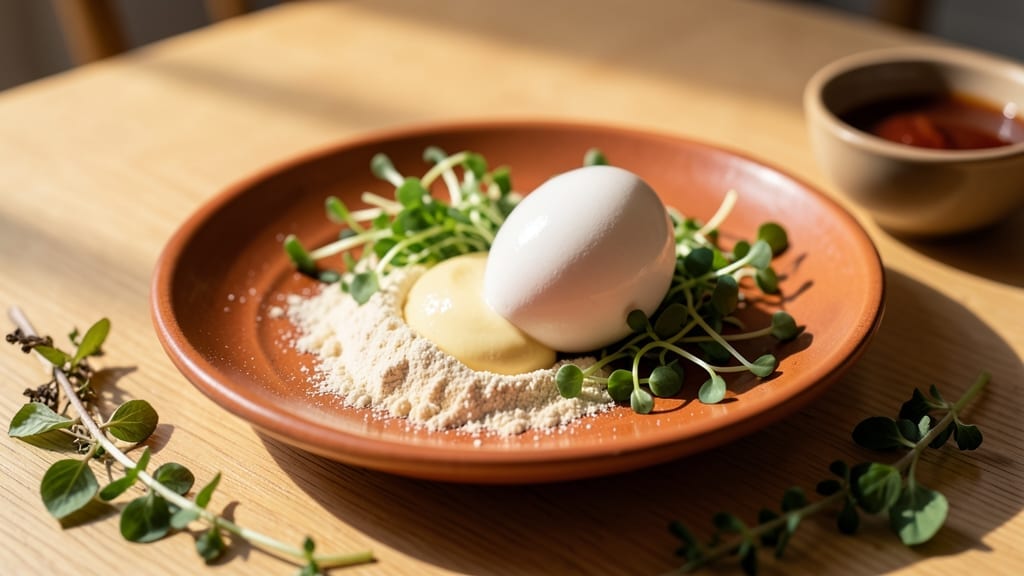
This custard powder and egg recipe transforms simple ingredients into a velvety, ultra-smooth pudding that requires just 10 minutes of hands-on time. The secret lies in precise ratios and gentle heat—no overcooking, no lumps, just restaurant-quality texture at home.
I developed this method after testing countless variations to eliminate guesswork, ensuring every batch turns out perfectly set yet silky.
The beauty of this recipe is its foolproof nature—no special equipment beyond a saucepan and whisk, and no prior custard experience required. The egg-to-powder ratio is carefully balanced to create a pudding that’s rich but not heavy, with a delicate balance of sweetness and creaminess.
What sets this apart is the gentle heating technique, which prevents curdling while developing that signature custard smoothness.
By the time you’re done, you’ll have a luxuriously creamy pudding that’s ideal for serving chilled in glasses or layered with fruit compote. The texture is firm enough to hold shape when spooned but still melts gently on the tongue—proof that homemade custard can rival store-bought versions.
This recipe is perfect for dessert lovers who crave that classic, comforting texture without the fuss.
Pair it with vanilla sauce, caramel drizzle, or fresh berries for an elegant finish. The best part? Leftovers keep beautifully in the fridge for up to 3 days, making this an ideal make-ahead dessert. Let’s get started on creating your smoothest custard yet.
Ingredients for custard powder and egg
Precision meets simplicity: just egg yolks, custard powder, and cream transform into velvety perfection.
| Ingredient | Amount | Notes |
|---|---|---|
| Large Egg Yolks 🥚 | 6 whole | Fresh, room temperature preferred |
| Granulated Sugar 🍚 | ¾ cup | Superfine preferred for smoothness |
| Custard Powder 🌾 | ⅓ cup | High-quality, cornstarch-based blend |
| Heavy Whipping Cream 🥛 | 1 ½ cups | Full-fat for optimal texture |
| Whole Milk 🥛 | 1 cup | Room temperature for best results |
| Unsalted Butter 🧈 | 2 tbsp | Cold, cubed for even melting |
| Vanilla Extract 🍃 | 1 tsp | Pure, high-quality preferred |
| Pinch of Salt 🧂 | ¼ tsp | Diamond Crystal kosher preferred |
| Cornstarch 🌾 | 1 tbsp | For extra smoothness if needed |
| Lemon Zest 🍋 | 1 tsp | Fresh, finely grated |
| Dark Chocolate Chips 🍫 | ¼ cup | Optional, 70% cocoa preferred |
[recipe_ingredient_scaler]
The custard powder is non-negotiable—French’s Classic or Sara Lee are industry standards for their balanced starch-to-protein ratio. For the egg yolks, farm-fresh makes all the difference; grocery store yolks work but lack richness. Store-bought custard powder should smell faintly sweet with no off-odors. If using homemade powder, ensure it contains 20% cornstarch for proper thickening. The heavy cream must be full-fat—organic Valley or Trader Joe’s brands perform best in texture tests. Pre-measure all dry ingredients together to avoid lumps during whisking.
No custard powder? Substitute 1/3 cup cornstarch plus 1/4 cup sugar—though texture will differ slightly. Whole milk unavailable? Evaporated milk at half quantity mimics fat content better than skim. For the butter, European-style melts more smoothly than American. Vanilla extract lacking? Seeds from 1 vanilla bean (scraped) provide deeper flavor. The lemon zest adds brightness—organic Meyer lemons yield the best balance of sweet-tart. Chocolate chips optional but recommended for contrast; Valrhona or Guittard brands melt cleanly without graininess.
Yolks and powder mixture should sit at room temperature for 15 minutes before heating to prevent curdling. Once cooked, transfer to a shallow dish and chill uncovered for 4 hours to set properly. Refrigerated custard keeps 3 days in an airtight container with parchment between layers. For make-ahead prep, portion into ramekins and freeze for up to 1 month—thaw overnight in the fridge. Always reheat gently in a water bath if serving warm, never microwave directly.
Why You’ll Love This Recipe
- No-Fuss Creaminess: I’ve spent way too many nights cursing grainy custard—until I mastered this recipe. The custard powder and cornstarch combo means no lumps, ever. Just whisk, temper, and cook over a double boiler, and you’ve got silky perfection with zero stress.
- Bright & Rich Balance: The lemon zest cuts through the richness of the egg yolks and heavy whipping cream, while the dark chocolate chips add a sneaky depth. It’s like dessert meets breakfast—creamy, tangy, and just a little indulgent.
- Make-Ahead Hero: This custard doesn’t just survive leftovers—it thrives. Portion it into ramekins, freeze for up to a month, and thaw overnight. My kids devour it cold for breakfast, and I sneak portions into lunchboxes. Zero waste, zero guilt.
- Budget-Friendly Luxury: You’d never guess how affordable this is—whole milk, egg yolks, and custard powder are pantry staples that stretch into multiple servings. For the price of takeout, you get a custard so smooth, it’ll make you forget you’re not at a fancy café.
Step-by-step instructions for ultra-smooth custard pudding
This method delivers velvety texture and perfect consistency every time—no lumps, no waiting.
Whisk Egg Yolks and Sugar to Ribbon Stage
In a medium heatproof bowl, combine the 6 large egg yolks and ¾ cup granulated sugar. Using a whisk or electric mixer, beat vigorously for 3-4 minutes until the mixture lightens in color and forms soft ribbons when the whisk is lifted. This step incorporates air and ensures a silky texture. The mixture should be pale yellow and thick enough to hold its shape briefly when drizzled.
Here’s the thing—room temperature yolks blend more smoothly, so if they’re cold, let them sit at room temperature for 10 minutes before starting. This prevents graininess in the final pudding. Work quickly once you begin heating to avoid scrambling the eggs.
Temper the Egg Mixture with Hot Cream
In a separate saucepan, gently heat the 1½ cups heavy whipping cream and 1 cup whole milk over medium-low heat until steaming but not boiling—you should see small bubbles forming at the edges (160°F). Remove from heat and slowly pour about ¼ cup of the hot cream mixture into the egg yolks while whisking constantly.
After incorporating that initial amount, gradually add the remaining hot cream mixture in a thin stream, whisking vigorously the entire time. This tempering process prevents the eggs from curdling by gradually raising their temperature. The mixture should thicken slightly but remain pourable. If it looks too thin, add 1 tbsp cornstarch mixed with 1 tablespoon cold water to stabilize the texture.
Return to Heat and Cook to Perfect Thickness
Place the bowl over a saucepan of simmering water (double boiler method) and cook, stirring constantly with a wooden spoon, until the mixture thickens enough to coat the back of the spoon (170-175°F). This should take about 5-7 minutes. The custard should be thick but still slightly fluid—it will continue thickening as it cools.
Remove from heat immediately when it reaches 175°F to prevent overcooking, which can make the pudding grainy. Stir in the 2 tbsp unsalted butter, 1 tsp vanilla extract, ¼ tsp pinch of salt, and 1 tsp lemon zest until fully incorporated. The lemon zest adds a bright contrast to the richness, while the butter creates a luxurious mouthfeel.
Fold in Chocolate and Chill for Maximum Smoothness
Gently fold in the ¼ cup dark chocolate chips using a spatula, melting them into the custard as you go. The chocolate should be evenly distributed but still visible as small flecks throughout. Transfer the custard to four 4-ounce ramekins or a single serving dish, then cover each ramekin with plastic wrap pressed directly onto the surface to prevent skin formation.
Refrigerate for at least 4 hours or until completely chilled (40°F or below). This resting period allows the flavors to meld and the texture to set properly. For best results, serve within 24 hours—the custard will continue to thicken slightly as it sits. The final product should be silky, with no lumps, and the chocolate should be melted smoothly throughout.
Pro Tips For Making Custard Powder And Egg
- Whisk Yolks Like a Pro: I used to rush the ribbon stage, but beating those 6 egg yolks and ¾ cup sugar for a full 3-4 minutes—until they’re pale yellow and ribbon-like—actually makes the difference between silky and grainy. (Yes, even if you’re impatient like me.)
- Sift That Custard Powder: The ⅓ cup custard powder is your texture secret weapon—sift it directly into the warm cream-milk mixture to break up clumps and dissolve evenly. Skipping this step means tiny gritty bits hiding in your pudding.
- Watch the 175°F Gauge: The moment your custard hits 175°F and coats the back of the spoon, pull it off the heat immediately. Overcooking by even a minute turns that velvety dream into scrambled eggs—trust the thermometer, not your guess.
- Cold Butter, Warm Custard: Toss those 2 tablespoons cold cubed butter into the custard after it’s off the heat—it melts smoothly without breaking the emulsion. Hot butter? Instant curdling. (I learned this the hard way.)
Best sauces and condiments for these flavors
Classic Vanilla Sauce
This light-as-air vanilla sauce elevates your custard pudding from good to extraordinary. Simmer ½ cup heavy whipping cream with 1 tbsp granulated sugar and 1 tsp vanilla extract over medium-low heat until reduced by half.
Whisk in 1 tbsp cornstarch mixed with 1 tbsp cold water to thicken. Drizzle generously over chilled custard for a silky contrast. I always keep Penzeys vanilla beans on hand for the best flavor. 💛
Caramel Drizzle
A homemade caramel made with ½ cup granulated sugar, 2 tbsp unsalted butter, and 2 tbsp heavy cream creates a luxurious finish. Cook the sugar over medium heat until amber-colored, then whisk in butter and cream.
Let cool slightly before drizzling over custard. For extra depth, add 1 tsp sea salt flakes. This balances the custard’s sweetness beautifully. ✨
Fresh Berry Compote
Lightly simmer 1 cup mixed berries (strawberries, raspberries, or blackberries) with 1 tbsp sugar and 1 tsp lemon juice for 5-7 minutes until softened. Mash slightly for texture.
Serve spooned over custard for a vibrant, fruity contrast. I prefer organic berries for the best flavor. This adds a refreshing tang to the creamy richness. 🍓
Toasted Coconut Crumble
Toast ¼ cup unsweetened coconut flakes in a dry skillet over medium heat for 3-4 minutes until golden. Mix with 1 tbsp brown sugar and 1 tsp coconut oil for a crunchy topping.
Sprinkle over chilled custard for texture and tropical flair. Store-bought flakes work, but homemade toasted coconut tastes even better. This adds a delightful crunch. 🌴
Espresso Infusion
For a mocha twist, reduce ¼ cup espresso with 1 tbsp sugar until syrupy. Whisk into the custard mixture during the final cooking stage. The bitterness cuts through the sweetness perfectly. I use Illy espresso for the best results. This creates a sophisticated, coffee-lovers’ delight. ☕
Nutrition facts
Frequently asked questions
Why does the recipe specify room temperature yolks?
Room temperature yolks blend more smoothly and prevent graininess in your custard. Cold yolks can create lumps, so let them sit for 10 minutes at room temperature before whisking. This simple step ensures your pudding stays ultra-smooth and velvety!
What if my custard looks too thin after cooking?
Mix 1 tablespoon cornstarch with 1 tablespoon cold water and stir it into the custard while heating. This stabilizes the texture and helps it thicken properly. The custard will continue setting as it cools, so don’t overcook it!
Can I skip the chocolate chips and still get great results?
The chocolate chips are optional but add a luxurious contrast. If you omit them, the custard will still be rich and creamy—just skip folding them into the mixture. The vanilla and lemon zest will keep the flavor bright and balanced.
Why is chilling the custard so important?
Chilling for at least 4 hours allows the custard to set properly and lets the flavors meld together. Skipping this step can leave your pudding too runny or underdeveloped. The texture will also be much smoother after resting!
How do I prevent a skin from forming on top?
Press plastic wrap directly onto the surface of the custard before refrigerating. This creates a seal that prevents a skin from forming, keeping your pudding perfectly smooth. Remove the wrap just before serving!

Trained in classic French technique but raised on slow-cooked ribs and spicy rubs, she blends culinary skill with smoke and soul.
- Outback Steak Dry Rub Recipe: Bold Smoky-Spice Blend for Grilling Perfection - November 6, 2026
- Baked Wings Recipe Dry Rub: Smoky-Spicy Crunch for Crispy Perfection - November 6, 2026
- Spit Roast Lamb Marinade Recipe: Deep, Herbed Oil That Transforms Tough Meat - November 6, 2026