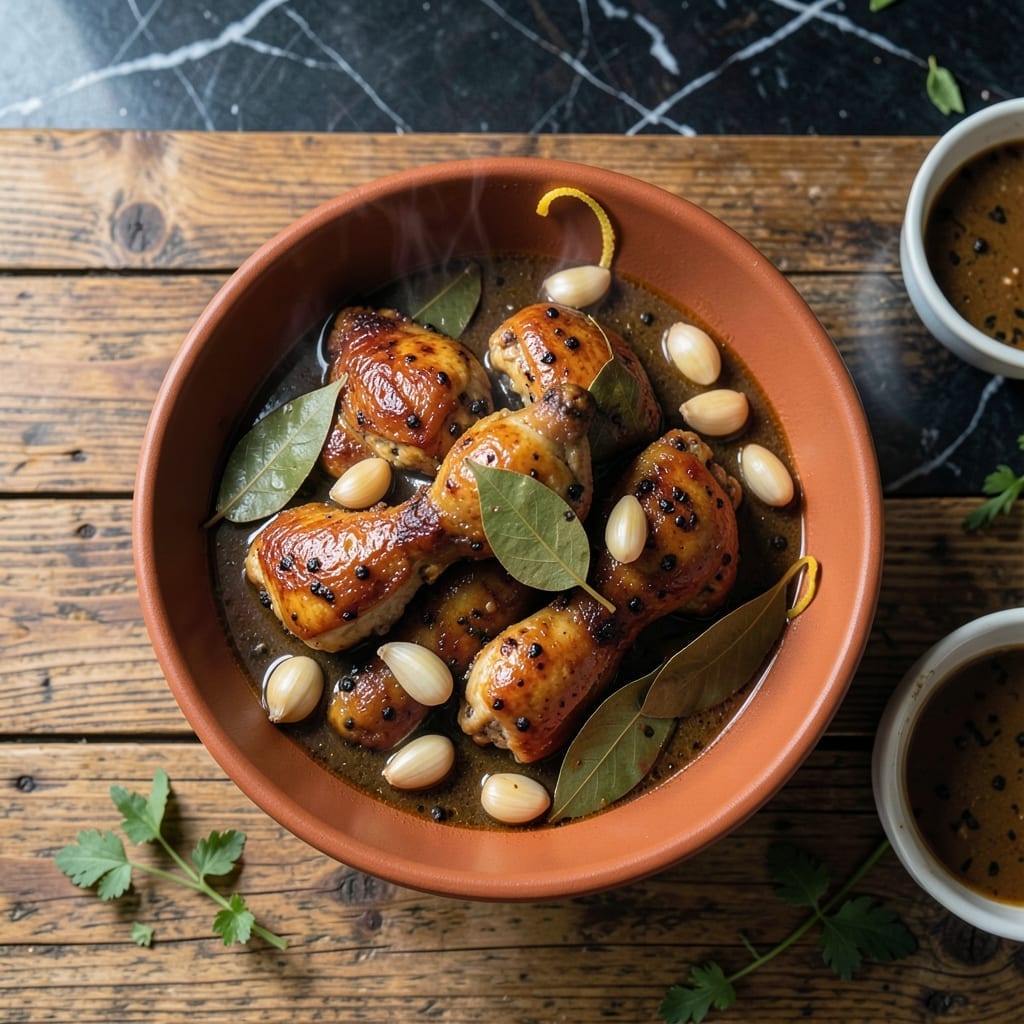
Exploring authentic Filipino cuisine opens a world of bold, vibrant flavors that bring the islands to your kitchen. These traditional dishes reflect centuries of cultural blending, each recipe telling a story of heritage and home.
From savory adobo to rich kare-kare, every dish uses simple ingredients to create complex, satisfying meals. The techniques are time-tested, ensuring genuine results that honor the original recipes.
What you’ll find are dishes with perfectly balanced sweet, sour, and salty notes that define Filipino cooking. Each recipe is designed to deliver that true island taste you’re looking for.
Start with one or try them all—these are the flavors that have sustained generations and continue to bring families together.
Ingredients for Filipino Food Recipe List
Authentic island ingredients delivering bold, complex flavors characteristic of traditional Filipino cooking at home.
| Ingredient | Amount | Notes |
|---|---|---|
| Chicken Thighs 🍗 | 2 lb | Boneless, skin-on preferred |
| Soy Sauce 🫒 | ½ cup | Filipino brand like Silver Swan |
| White Vinegar 💧 | ½ cup | Cane vinegar ideal |
| Garlic Cloves 🧄 | 8 cloves | Minced for maximum flavor |
| Bay Leaves 🍃 | 3 whole | Dried, for aroma |
| Black Peppercorns 🌶️ | 1 tbsp | Lightly crushed |
| Brown Sugar 🍚 | 2 tbsp | Balances acidity and salt |
| Oyster Sauce 🫒 | 2 tbsp | Optional for depth |
| Potatoes 🥔 | 1 ½ lb | Yukon Gold, peeled and quartered |
| Carrots 🥕 | 3 whole | Peeled and sliced into rounds |
| Peanut Butter 🥜 | ½ cup | Smooth, unsweetened |
| Annatto Seeds 🌿 | 1 tsp | For authentic color |
| Green Beans 🌱 | ½ lb | Trimmed, fresh or frozen |
| Eggplant 🍆 | 1 whole | Japanese or Italian variety |
[recipe_ingredient_scaler]
The chicken is the foundation here. Bone-in, skin-on thighs provide the richest flavor and most forgiving texture for adobo. Silver Swan soy sauce and Datu Puti vinegar are the gold standard for authenticity—look for them at Filipino markets or well-stocked Asian grocery stores. Bay leaves should be dried but still fragrant; if they crumble to dust, they’ve lost their potency.
No oyster sauce? Hoisin or fish sauce can substitute, though the flavor profile will shift slightly. Vegetarian oyster sauce works for plant-based versions. For the peanut sauce in kare-kare, crunchy peanut butter adds texture, but smooth blends more easily. Annatto seeds can be swapped with achiote paste (use half the amount), or skip entirely if unavailable (the dish will lack its signature color but retain flavor).
Store unused annatto seeds in an airtight container away from light for up to 1 year. Fresh eggplant and green beans keep 5 days in the fridge, while potatoes and carrots last 2 weeks in a cool, dark place. Pre-mixed adobo marinade holds 3 days refrigerated.
Why You’ll Love This Recipe
- One Pan Wonder: I toss everything in—chicken, soy sauce, vinegar—then let it simmer while I set the table.
- Tangy Garlic Bomb: The soy-vinegar combo with garlic hits that sweet-sour balance I crave every time.
- Meal Prep Hero: Cooks a big batch that tastes even better the next day over rice.
- Budget Stretcher: Chicken thighs stay juicy and cheap, and a little soy sauce goes a long way.
Step-by-Step Instructions for Filipino Chicken Adobo
Master this traditional preparation to unlock the rich, tangy essence of authentic island cooking.
Step 1: Marinate the Chicken with Aromatics
In a large bowl, combine the 2 lb Chicken Thighs with 0.5 cup Soy Sauce, 0.5 cup White Vinegar, 8 cloves Garlic Cloves, 3 whole Bay Leaves, 1 tbsp Black Peppercorns, and 2 tbsp Brown Sugar. I use my hands to massage the marinade into the meat, ensuring every piece is thoroughly coated.
The vinegar will begin to “cook” the chicken slightly, turning the exterior opaque. This is normal and desired. Cover and refrigerate for at least 1 hour (overnight for deeper flavor). The acidity balances the richness of the fat, creating the signature adobo taste profile.
Step 2: Sear and Simmer the Chicken
Transfer the chicken and marinade to a large pot or Dutch oven. Add the 2 tbsp Oyster Sauce for extra depth. Bring to a boil over medium-high heat, then reduce to medium-low to maintain a gentle simmer. I always let it cook uncovered for the first 15 minutes to allow the vinegar to mellow.
After the initial simmer, cover the pot and cook for 30-40 minutes, stirring occasionally. You’ll know it’s done when the chicken is fall-off-the-bone tender and the sauce has reduced to a glossy, thick consistency that clings to the meat.
Step 3: Prepare the Vegetable Accompaniments
While the chicken simmers, peel and quarter the 1.5 lb Potatoes and slice the 3 whole Carrots into rounds. Add these to the pot during the last 20 minutes of cooking. The potatoes should absorb the adobo sauce, turning a rich golden color when done.
The 0.5 lb Green Beans and sliced 1 whole Eggplant are more delicate. Add them just 10 minutes before serving to prevent overcooking. They should retain a slight bite to contrast with the tender chicken.
Step 4: Infuse with Annatto Color and Peanut Butter Finish
Five minutes before serving, steep the 1 tsp Annatto Seeds in 2 tablespoons of the hot sauce, then remove the seeds. This imparts the traditional vibrant orange hue. Stir in the 0.5 cup Peanut Butter off heat until fully dissolved into the sauce.
The peanut butter creates a velvety texture that perfectly complements the tangy adobo. Taste and adjust seasoning if needed, though the initial balance of soy, vinegar, and sugar should be spot-on. Serve immediately over steamed rice for the complete experience.
Pro Tips For Making Filipino Food Recipe List
- Marinate Overnight: I learned this the hard way—chicken thighs need at least 4 hours in the soy-vinegar-garlic mix to soak up real flavor, but overnight is when the magic happens.
- Brown the Thighs: Start with high heat to sear the chicken thighs until golden before adding liquids, about 3-4 minutes per side—this locks in juices and builds depth.
- Balance the Vinegar: Sounds weird, but it works: taste as you go and add a pinch of sugar if the vinegar’s sharpness overpowers the soy and garlic.
- Use Fresh Bay Leaves: Dried bay leaves work, but fresh ones release a brighter aroma—just 2-3 leaves per pound of chicken, removed before serving.
Serving Suggestions for Leftovers
Family-Style Presentation
Serve this dish in a large, shallow bowl to showcase the rich sauce and tender chicken. I love using my hand-painted ceramic platter from Portland’s Saturday Market—it makes the colors pop. Arrange the chicken pieces in the center with vegetables surrounding them. 💛
Rice Pairing
Steamed jasmine rice is the classic accompaniment. Use 1 cup rice to 1.5 cups water for perfect texture. I always make extra because the sauce is so good you’ll want to soak it all up. The rice also helps balance the tangy-savory flavors.
Garnish Ideas
Sprinkle with chopped cilantro or green onions for freshness. A few calamansi halves on the side let guests add extra citrus. I also like adding a small bowl of chili-garlic sauce for those who prefer a spicy kick.
Beverage Pairings
Cold San Miguel beer cuts through the richness beautifully. For non-alcoholic options, try calamansi juice or sago’t gulaman (tapioca pearl drink). These traditional pairings enhance the meal’s authenticity.
Side Dish Suggestions
A simple cucumber-tomato salad with 1 tbsp vinegar and 1 tsp sugar dressing complements the rich adobo. Pickled vegetables like atchara (green papaya) add a crunchy, tangy contrast that I find irresistible.
Serving Temperature
This dish is best served hot, straight from the pot. If making ahead, reheat gently on the stove with a splash of water to restore the sauce’s consistency. I always let it sit for 5 minutes after reheating to let the flavors meld. ⚡
Nutrition Facts
Frequently Asked Questions
What are the easiest dishes to start with?
Beginners should try chicken adobo or sinigang first. Both use simple ingredients and forgiving techniques. Adobo requires just 5 main ingredients and 1 hour of marinating time.
Can I make these dishes vegetarian?
Swap meat for tofu or mushrooms in adobo. For kare-kare, use eggplant and string beans as the base. The same sauces and spices work perfectly.
Where can I find specialty ingredients?
Look for Filipino markets or well-stocked Asian grocers. Many ingredients like bagoong or calamansi are also available online. Check the international aisle first.
How long do these dishes keep in the fridge?
Most Filipino dishes stay fresh for 3-4 days refrigerated. Adobo actually tastes better the next day as flavors meld. Always store in airtight containers for best results.

Trained in classic French technique but raised on slow-cooked ribs and spicy rubs, she blends culinary skill with smoke and soul.
- Recipe for Curried Lamb Chops: Spice-Rubbed and Pan-Seared to Succulence - October 3, 2026
- Recipe for Boneless Leg of Lamb Roast in the Oven: Herb-Crusted and Rosy Pink Inside - October 3, 2026
- Meat Loaf Recipe With Beef And Pork: Homestyle Blend With Rich Gravy - October 3, 2026