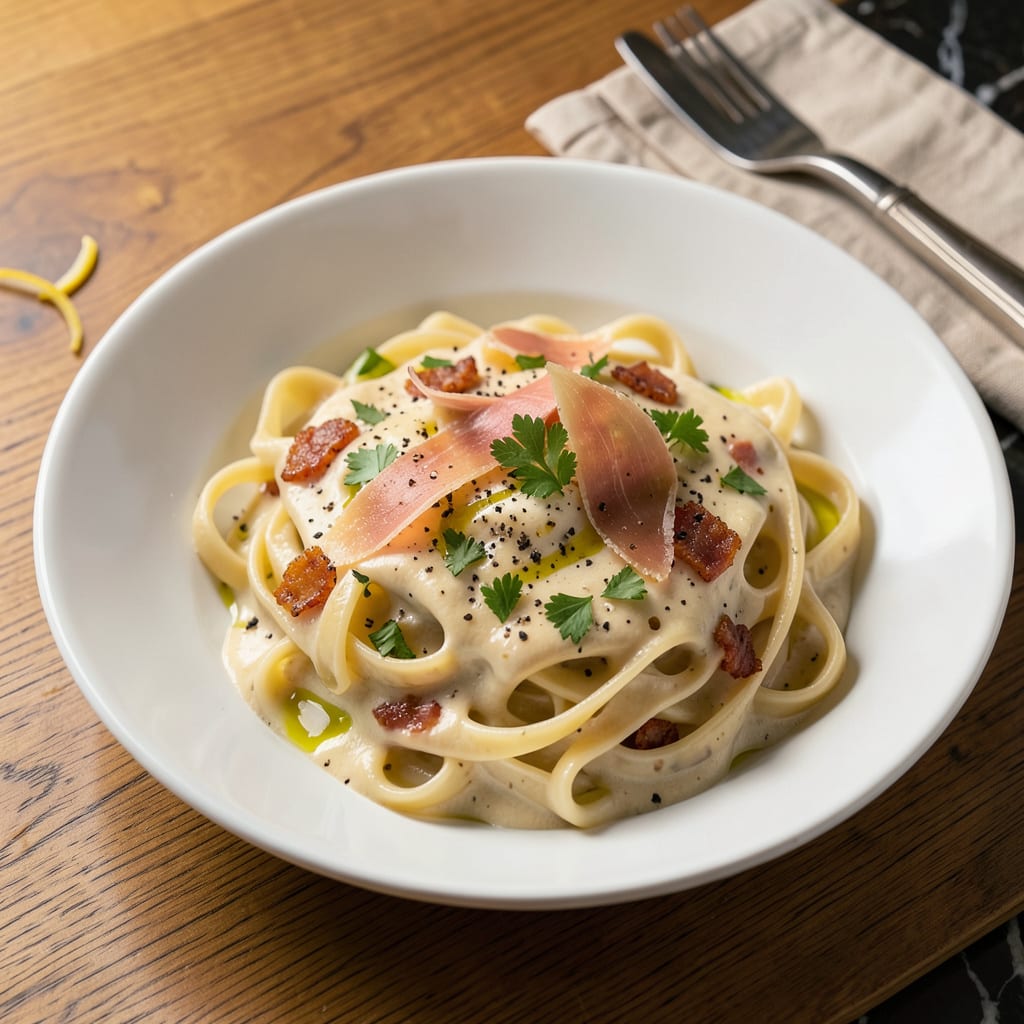
I’ll be real with you: most homemade Alfredo sauce falls flat compared to restaurant versions. But after years of tweaking (and a few failed batches), I cracked the code for that ultra-creamy, deeply flavorful sauce you crave. The secret isn’t just better ingredients—it’s knowing which techniques actually make a difference.
This isn’t your basic butter-flour-cream combo. We’re talking aged Parmesan for nutty depth, a splash of pasta water for silkiness, and one unexpected ingredient that balances the richness perfectly. I’ve streamlined the process so you can achieve that velvety restaurant texture in about 15 minutes—no fancy equipment required.
What you’ll get is a sauce that clings beautifully to fettuccine, coats chicken perfectly, or transforms simple vegetables into something special. It stays creamy even when reheated, and the flavor develops even more after a day in the fridge. Fair warning: once you try this version, you’ll never go back to the jarred stuff.
Store it for up to 5 days or freeze for quick meals later. Here’s exactly how to make Alfredo sauce that tastes like it came from your favorite Italian spot.
📚 In This Guide
- What You’ll Need
- Instructions
- Tips and Common Mistakes
What Youll Need
- ● Base ingredients: 1 cup heavy cream (or half-and-half for a lighter option)
- ● ½ cup unsalted butter (1 stick, cut into tablespoons)
- ● 1½ cups freshly grated Parmesan cheese (high-quality, not pre-shredded!)
- ● 3-4 garlic cloves, minced (or 1 tsp garlic powder)
- ● ½ tsp salt (adjust to taste)
- ● ¼ tsp black pepper (freshly ground preferred)
- ● Tools: Medium saucepan (non-stick recommended)
- ● Whisk or wooden spoon
- ● Fine grater (for cheese)
- ● Measuring cups/spoons
- ○ Optional upgrades (for next-level flavor!): ¼ tsp nutmeg (freshly grated)
- ● 2 tbsp cream cheese (for extra richness)
- ● 1 tbsp fresh parsley, chopped (garnish)
- ● ½ cup reserved pasta water (to adjust consistency)
- ● Lemon zest (a pinch for brightness)
Step-by-Step Instructions for Elevating Alfredo Sauce
Transform your basic Alfredo into something extraordinary with these simple but powerful techniques.
Start with a Flavorful Base
Begin by melting butter in a saucepan over medium heat until it’s fully melted but not browned. I like to use unsalted butter here so I can control the salt level throughout the process. The key is to let it melt slowly—this prevents the butter from separating later when we add other ingredients.
Once melted, add your heavy cream and let it warm gently for about 2-3 minutes. You’ll see tiny bubbles forming around the edges of the pan—that’s your cue that it’s ready for the next step. This gentle warming prevents the cream from curdling when we add other ingredients later.
Build Depth with Aromatics
Here’s where we take it up a notch: add minced garlic and let it cook for just 30-45 seconds until fragrant. You want the garlic to soften slightly but not brown—burnt garlic will make your sauce bitter. I always use fresh garlic rather than powder because it adds a brighter, more complex flavor.
Next, stir in a splash of white wine or chicken broth—about ¼ cup—and let it simmer for 1-2 minutes. This step might seem small, but it makes a huge difference. The liquid helps deglaze the pan, lifting all those flavorful browned bits, and adds another layer of complexity to your sauce.
Create the Perfect Cheese Blend
Gradually whisk in your Parmesan cheese, but here’s the trick: use a mix of freshly grated Parmesan and a small amount of Pecorino Romano (about 1:4 ratio). The Pecorino adds a sharp, salty depth that balances the creaminess. Add the cheese in small batches, letting each addition fully melt before adding more.
Keep the heat at low-medium and stir constantly—this prevents the cheese from clumping or turning grainy. You’ll know it’s ready when the sauce coats the back of a spoon and leaves a clean line when you run your finger through it. If it feels too thick, thin it with a splash of the pasta water you reserved.
Finish with Brightness and Texture
Right before serving, stir in a pinch of freshly grated nutmeg—just ⅛ teaspoon is enough. This might seem unusual, but nutmeg has a natural affinity for creamy sauces and adds warmth without overpowering. Then finish with a squeeze of lemon juice or a sprinkle of lemon zest to cut through the richness.
For texture, I love adding a handful of toasted breadcrumbs or crispy pancetta on top. The contrast between the creamy sauce and something crunchy makes every bite more interesting. Taste one final time and adjust the seasoning with salt and black pepper as needed.
Pair and Serve Like a Pro
Toss your cooked pasta in the sauce just before serving—I prefer fettuccine or pappardelle for their wide surface area that holds onto the sauce beautifully. The pasta should glisten with sauce but not be swimming in it. If it looks dry, add another splash of pasta water to loosen it.
Garnish with extra grated cheese, fresh parsley, and a crack of black pepper. Serve immediately while the sauce is still silky and the pasta is perfectly al dente. The difference between this and basic Alfredo is night and day—richer, more complex, and restaurant-worthy.
Tips and Common Mistakes
Mastering this elevated Alfredo sauce comes down to a few key details that make all the difference between good and extraordinary.
Heat Control: When melting the butter in Step 1, keep the heat at medium and be patient. Rushing this step by using high heat can cause the butter to brown or separate, which affects the sauce’s final texture. Those 2-3 minutes of gentle warming for the heavy cream are crucial—they allow the fat to emulsify properly without breaking. I’ve ruined batches by getting impatient here, so trust me when I say slow and steady wins the creamy sauce race.
Garlic Technique: In Step 2, those 30-45 seconds for the garlic are non-negotiable. Fresh garlic burns easily, and burnt garlic will give your sauce a bitter aftertaste that’s impossible to fix. I always prep my garlic first so it’s ready to go in immediately when needed. If you’re nervous about burning, pull the pan off the heat while the garlic cooks—it will still soften from the residual heat.
Cheese Integration: The 1:4 ratio of Pecorino Romano to Parmesan in Step 3 isn’t just for flavor—it’s about texture too. Pecorino melts differently than Parmesan, creating a smoother sauce. When adding the cheese, maintain that low-medium heat and stir constantly. If your sauce looks grainy, it’s likely because the heat was too high or you added the cheese too quickly. A splash of pasta water can often save it, but prevention is better.
Final Balance: Don’t skip the nutmeg and lemon in Step 4. That ⅛ teaspoon of nutmeg might seem insignificant, but it adds warmth that balances the richness. The lemon brightens everything up—just like a squeeze of fresh juice can wake up a tired dish. I always taste before and after adding these to appreciate the difference they make.
Pro Tips for Elevate Alfredo Sauce
- Mastering this elevated Alfredo sauce comes down to a few key details that make all the difference between good and e…
- Heat Control: When melting the butter in Step 1, keep the heat at medium and be patient. Rushing this step by using h…
- Garlic Technique: In Step 2, those 30-45 seconds for the garlic are non-negotiable. Fresh garlic burns easily, and bu…
Frequently Asked Questions
Can I make Alfredo sauce ahead of time, and how should I store it?
Alfredo sauce can be made 1-2 days ahead. Store it in an airtight container in the fridge. When reheating, warm it gently on low heat, stirring in a splash of milk or cream to restore creaminess. Avoid microwaving—it can separate the sauce!
What’s the best cheese substitute if I don’t have Parmesan?
No Parmesan? No problem! Try Pecorino Romano (sharper flavor), Asiago (nutty), or Gran Padano (milder). For a budget swap, mix half sharp cheddar with mozzarella for meltiness—but add a pinch of nutmeg to balance the taste!
Why does my Alfredo sauce turn grainy or clumpy?
Grainy sauce usually means the cheese overheated or cooled too fast. Fix it by removing from heat, stirring in 1 tbsp warm cream, and whisking vigorously. To prevent it, grate cheese finely and add it off-direct heat while stirring constantly.
How can I make Alfredo sauce lighter without losing flavor?
Swap heavy cream for half-and-half or whole milk, and use less butter. Boost flavor with roasted garlic, lemon zest, or a dash of white wine. For extra richness without calories, stir in 2 tbsp Greek yogurt at the end!
Can I freeze Alfredo sauce, and how do I reheat it?
Freezing Alfredo is possible but risky—it may separate. If you must, freeze for up to 1 month in a sealed bag. Thaw in the fridge overnight, then reheat slowly on low, whisking in milk or broth to smooth it out.
Elevating your alfredo sauce doesn’t have to be complicated—just a few simple tweaks can turn it from basic to restaurant-worthy! 🎉 Whether you’re adding a splash of cream, a pinch of nutmeg, or a dash of fresh garlic, the key is balancing richness with depth. Now that you’ve got the secrets, grab your whisk and put them to the test!
Ready to impress? Try your upgraded sauce with this easy fettuccine recipe or experiment with your favorite pasta. Happy cooking—your taste buds will thank you! 🍝✨

Trained in classic French technique but raised on slow-cooked ribs and spicy rubs, she blends culinary skill with smoke and soul.
- Recipe for Dumplings in Crock Pot: Fluffy Pillows with Minimal Effort - October 3, 2026
- Recipe For Diced Pork In Slow Cooker: Melt-In-Your-Mouth Tenderness All Day - October 3, 2026
- Recipe for Crock Pot Lasagna Using Ravioli: No-Boil Cheese Layers - October 3, 2026