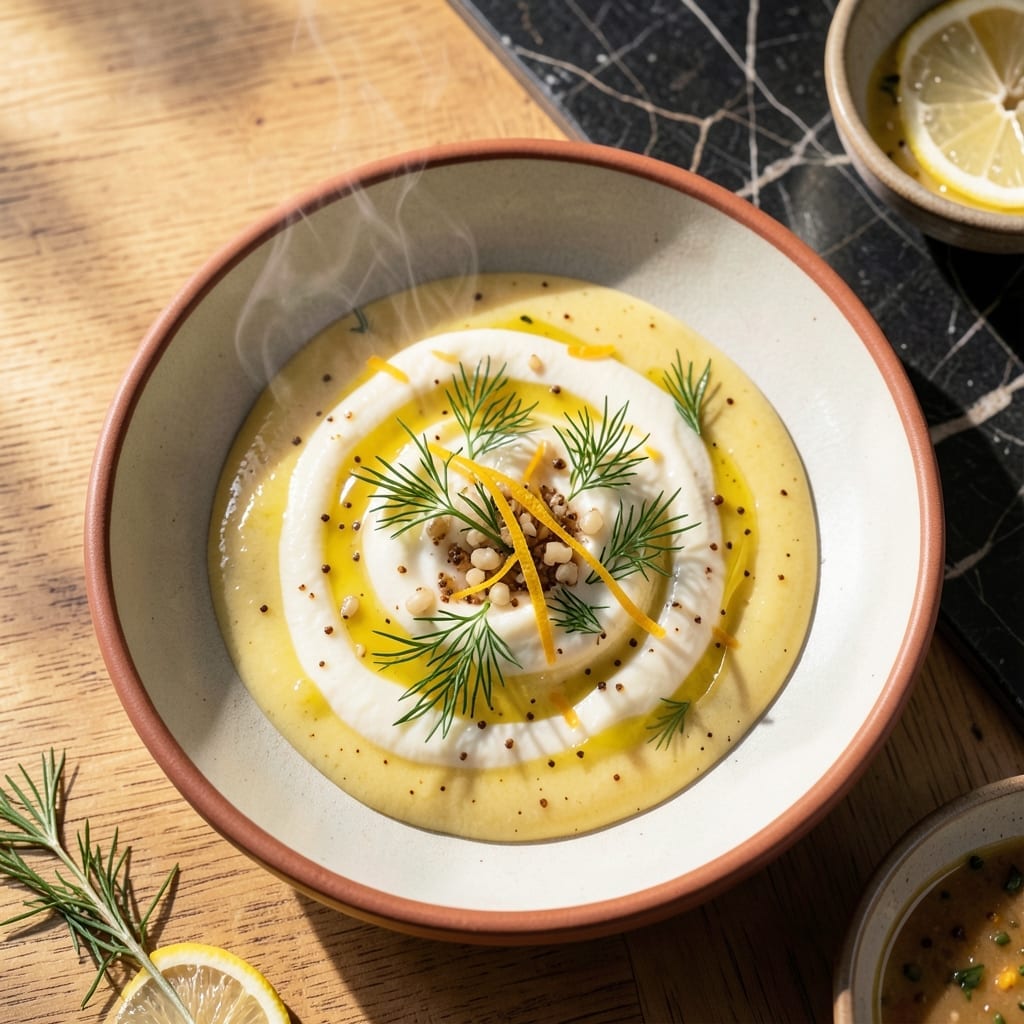
This bright citrus emulsion transforms simple salmon into a restaurant-quality dish. The combination of fresh lemon juice, creamy butter, and aromatic dill creates a sauce that’s both tangy and rich.
It comes together in 5 minutes with minimal effort, making it perfect for quick weeknight dinners. The sauce’s velvety texture clings beautifully to flaky salmon, enhancing every bite.
Ingredients for Lemon Sauce Recipe for Salmon
Nine ingredients transform into a bright, velvety sauce that elevates salmon beautifully.
| Ingredient | Amount | Notes |
|---|---|---|
| Unsalted Butter 🧈 | ½ cup | Cubed, room temperature preferred |
| Fresh Lemon Juice 🍋 | ¼ cup | Strained, about 2-3 lemons |
| Lemon Zest 🍋 | 1 tbsp | Finely grated, from organic lemons |
| Fresh Dill 🌿 | 2 tbsp | Finely chopped, stems removed |
| Garlic Cloves 🧄 | 2 cloves | Minced or pressed |
| Dijon Mustard 🟡 | 1 tsp | Smooth, not whole grain |
| Honey 🍯 | 1 tsp | Optional, for subtle sweetness |
| Sea Salt 🧂 | ½ tsp | Fine grain, or to taste |
| White Pepper ⚪ | ¼ tsp | Freshly ground for delicacy |
[recipe_ingredient_scaler]
Butter quality is paramount here. Plugrá or European-style delivers superior creaminess due to higher fat content (82-86%). Avoid margarine—it lacks the emulsifying properties of real butter. For the lemon, Meyer lemons (when in season) offer a sweeter, more floral note, but standard Eureka or Lisbon work perfectly. Look for unwaxed lemons if zesting to avoid bitter pesticides on the rind.
No fresh dill? Dried dill weed at one-third the amount works in a pinch, though the flavor is more concentrated. Short on lemon juice? White wine vinegar or rice vinegar can substitute at a 1:1 ratio. For a vegan version, replace butter with coconut oil and honey with agave nectar. The Dijon mustard is non-negotiable—it’s the emulsifier that binds the sauce.
The emulsion holds for 1 hour at room temperature before separating. Store in an airtight container in the fridge for up to 3 days—rewhisk with a splash of warm water to revive. Freezing isn’t recommended; the texture breaks down irreparably.
Why You’ll Love This Recipe
- Five Minute Sauce: I melt the butter, squeeze a lemon, and chop a little dill—done before the salmon finishes baking.
- Bright Zing: Honestly, that first hit of lemon zest and garlic with the creamy butter makes the fish taste alive.
- Dinner or Lunch: I’ve drizzled this over weeknight salmon and fancy weekend platters with equal success.
- Stretches Further: Between us, I always double the sauce—it keeps three days and turns plain rice or veggies into something special.
Step-by-Step Instructions for Lemon Sauce for Salmon
This emulsion technique creates a silky, restaurant-quality sauce with bright citrus notes.
Step 1: Infuse the Butter with Aromatics
In a small saucepan over medium-low heat, melt the 0.5 cup unsalted butter until just beginning to foam. Add the 2 cloves garlic cloves, minced, and cook for 30-45 seconds until fragrant but not browned.
Immediately reduce heat to low and stir in the 2 tbsp fresh dill and 1 tbsp lemon zest. Let this mixture steep for 2-3 minutes off heat to allow the flavors to meld without cooking the dill.
Watch carefully—garlic burns easily and will turn bitter if it darkens. The butter should remain pale yellow, not brown.
Step 2: Create the Citrus Base
In a separate small bowl, whisk together the 0.25 cup fresh lemon juice, 1 tsp Dijon mustard, 1 tsp honey, 0.5 tsp sea salt, and 0.25 tsp white pepper until fully combined. This acidic mixture will help emulsify the sauce.
The honey balances the acidity of the lemon, while the Dijon mustard acts as a natural emulsifier. Ensure the salt and white pepper are fully dissolved to prevent graininess in the final sauce.
Set this citrus base aside while you finish infusing the butter. The residual heat from the butter will help marry all the flavors together.
Step 3: Emulsify the Sauce
Slowly pour the citrus mixture into the saucepan with the infused butter, whisking constantly. Return the pan to low heat and continue whisking vigorously for 1-2 minutes until the sauce thickens slightly and becomes glossy.
Keep the heat low to prevent the sauce from breaking—you should see small bubbles at the edges but no aggressive simmering. The sauce is ready when it coats the back of a spoon and leaves a clear path when you run your finger through it.
If the sauce appears too thin, continue whisking for another 30-60 seconds. If it separates, remove from heat immediately and whisk vigorously until it comes back together.
Step 4: Adjust and Finish
Taste and adjust seasoning if needed, though the measured 0.5 tsp sea salt and 0.25 tsp white pepper should provide perfect balance. The sauce should be tangy with a subtle sweetness and herbal note from the dill.
Strain the sauce through a fine-mesh sieve if you prefer a perfectly smooth texture, pressing gently on the solids to extract all the flavor. For a rustic version, leave the dill and zest in for added texture.
Use immediately while warm, as the sauce will thicken slightly as it cools. Pour over freshly cooked salmon and garnish with additional fresh dill if desired.
Pro Tips For Making Lemon Sauce Recipe For Salmon
- Lower the Heat: After burning my first two batches, I learned to keep the sauce at a gentle simmer—high heat turns butter bitter and separates the emulsion.
- Zest Before Juicing: Always zest your lemons before cutting them in half for juice; it’s nearly impossible to do after, and you’ll waste half the flavor.
- Temper the Butter: Pull your unsalted butter out 15 minutes before cooking so it melts evenly into the sauce instead of clumping or seizing.
- Strain the Garlic: For a smoother sauce, press or finely mince the garlic, then strain it out after infusing—this removes harsh bits while keeping the flavor.
Essential Equipment for Perfect Results
Must-Have Tools
To whip up a silky lemon sauce for your salmon, a few kitchen staples are non-negotiable. A whisk is essential for emulsifying the butter and lemon juice into a smooth, creamy consistency. A small saucepan with a heavy base, like All-Clad, ensures even heat distribution, preventing the sauce from breaking or burning. 🥘
Nice-to-Have Tools
For extra precision, a thermometer helps monitor the sauce temperature, keeping it just below simmering to avoid curdling. A fine-mesh strainer removes any stray dill stems or lemon pulp for a velvety finish. If you love gadgets, a immersion blender can also help achieve a ultra-smooth texture. 🌡️
Budget Alternatives
No fancy gear? No problem! A fork can stand in for a whisk, and any small pot will work if you keep the heat low. Skip the strainer if you don’t mind a rustic texture, and use a jar with a tight lid to shake up the emulsion instead of blending. Simple tools can still deliver delicious results! ✨
Nutrition Facts

Trained in classic French technique but raised on slow-cooked ribs and spicy rubs, she blends culinary skill with smoke and soul.
- Recipe for Crock Pot Lasagna Using Ravioli: No-Boil Cheese Layers - October 3, 2026
- Recipe for Cut Up Chicken: One-Pan Crispy Bites - October 3, 2026
- Recipe For Oven Baked Haddock: Buttery Crumbs With Zesty Lemon Topping - October 3, 2026