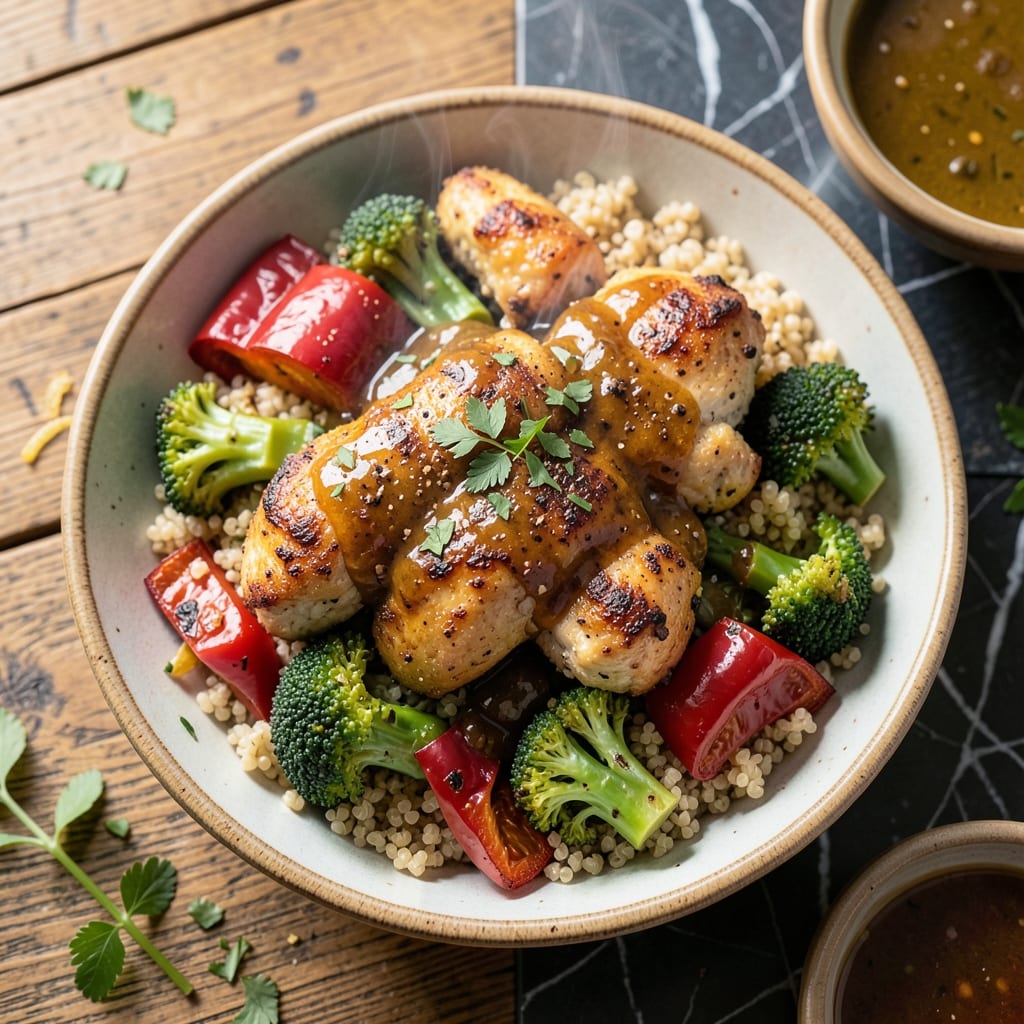
This plant-based dish delivers the texture and flavor of chicken without any animal products. I developed this recipe after years of experimenting with meat substitutes, and it’s become a staple in my kitchen.
The secret lies in using vital wheat gluten to create a chewy, fibrous texture that mimics poultry. Seasoned with a blend of savory spices, it absorbs flavors beautifully and holds up to various cooking methods.
You’ll achieve a tender, juicy result with a satisfying bite that works in stir-fries, sandwiches, or salads. It’s a versatile protein that even meat lovers will enjoy.
Ready in under an hour, this recipe proves that plant-based meals can be hearty and delicious. Here’s how to make it.
Ingredients for Mock Chicken Recipe Vegan
A handful of plant-based staples bring this versatile protein to life. No animal products here.
| Ingredient | Amount | Notes |
|---|---|---|
| Vital Wheat Gluten 🌾 | 1 ½ cups | The base for chewy texture |
| Chickpea Flour 🌾 | ½ cup | Adds firmness and protein |
| Nutritional Yeast 🧀 | ¼ cup | For cheesy, savory depth |
| Vegetable Broth 🥫 | 1 ½ cups | Low-sodium preferred for control |
| Olive Oil 🫒 | 2 tbsp | For moist, tender texture |
| Soy Sauce 🥫 | 3 tbsp | Adds umami richness |
| Garlic Powder 🧄 | 1 tbsp | For bold, savory flavor |
| Onion Powder 🧅 | 1 tbsp | Complements the garlic perfectly |
| Smoked Paprika 🌶️ | 1 tsp | For a hint of smokiness |
| Dried Thyme 🍃 | 1 tsp | Earthy, warm undertone |
| Dried Sage 🍃 | 1 tsp | Herbal, poultry-like flavor |
| Black Pepper 🌶️ | ½ tsp | Freshly ground preferred |
| Salt 🧂 | 1 tsp | Adjust to taste after cooking |
[recipe_ingredient_scaler]
Vital wheat gluten is non-negotiable here—it’s the magic that gives this dish its chewy, meaty texture. Bob’s Red Mill is my go-to brand, and I always grab it from Whole Foods or Sprouts (the bulk bins are a great deal). Chickpea flour adds body, so don’t skip it—Anthony’s Goods makes a great one. Nutritional yeast might seem weird, but it’s what gives that savory depth (like chicken broth in vegan form).
No vital wheat gluten? Seitan powder works in a pinch, but texture might differ. Swap soy sauce for tamari if you’re gluten-free (though the vital wheat gluten already rules that out). Out of smoked paprika? Regular paprika plus a pinch of liquid smoke gets you close. The broth can be homemade or store-bought, but Better Than Bouillon No Chicken Base is a game-changer for flavor.
This keeps beautifully in the fridge for 5 days or freezes for 3 months. Store it submerged in broth to keep it moist (trust me, it dries out fast otherwise). Thaw overnight before reheating for best texture.
Why You’ll Love This Recipe
- Mix and Rest: I toss the vital wheat gluten and chickpea flour with broth, knead for two minutes, then let it rest while I prep the rest of dinner—no constant babysitting.
- Umami Bomb: The nutritional yeast and olive oil give it that deep, savory note that makes me forget it’s plant-based.
- Meal Prep MVP: I slice and sear a batch on Sunday, then use it in wraps, salads, or stir-fries all week. Honestly, it’s my new shortcut.
- Pantry Hero: Five shelf-stable ingredients I always have on hand, and it costs me less than a takeout meal for four servings.
Step-by-Step Instructions for Mock Chicken
This method delivers tender, flavorful plant-based protein with a texture that rivals the real thing.
Step 1: Combine Dry Ingredients for the Base
In a large mixing bowl, whisk together the 1.5 cups Vital Wheat Gluten, 0.5 cup Chickpea Flour, 0.25 cup Nutritional Yeast, 1 tbsp Garlic Powder, 1 tbsp Onion Powder, 1 tsp Smoked Paprika, 1 tsp Dried Thyme, 1 tsp Dried Sage, 0.5 tsp Black Pepper, and 1 tsp Salt.
I always sift the Vital Wheat Gluten first to prevent lumps, as this ensures a smooth, even texture in the final product. The Chickpea Flour adds firmness, while the Nutritional Yeast gives it that savory depth you expect from chicken. Make sure everything is evenly distributed before adding the wet ingredients.
Step 2: Mix Wet Ingredients and Form the Dough
In a separate bowl, combine the 1.5 cups Vegetable Broth, 2 tbsp Olive Oil, and 3 tbsp Soy Sauce. Stir well until fully incorporated. This liquid mixture will hydrate the dry ingredients and create a dough with the right consistency.
Pour the wet mixture into the bowl with the dry ingredients. Stir with a sturdy spoon or spatula until it forms a shaggy dough. Then, use your hands to knead it for 2-3 minutes—it should feel elastic and slightly springy, like bread dough. If it feels too sticky, add a pinch more Chickpea Flour, but don’t overdo it.
Step 3: Shape and Steam for Ideal Texture
Divide the dough into 4 equal portions and shape each into a cutlet or fillet, about ½-inch thick. I like to flatten them slightly on a piece of parchment paper to ensure even cooking. Place the shaped pieces in a steamer basket lined with parchment or cabbage leaves to prevent sticking.
Bring 1-2 inches of water to a boil in a pot, then place the steamer basket on top, cover, and steam for 30-35 minutes. The pieces should appear firm and slightly springy when pressed. This steaming step is crucial—it cooks the dough evenly and gives it that signature chewy, meaty texture.
Step 4: Cool and Finish for Best Flavor
Remove the pieces from the steamer and let them cool for 10-15 minutes at room temperature. This cooling period helps them firm up, making them easier to handle and slice. I often press them gently with a paper towel to remove excess moisture, which helps them crisp up better if you plan to pan-fry or bake them later.
At this point, you can use them immediately in your favorite recipes, or store them in the fridge for up to 5 days. For extra flavor, I like to brush them with a little extra Soy Sauce or Olive Oil before cooking. The result is a plant-based protein with a satisfying bite and rich, savory notes that work perfectly in any dish calling for chicken.
Pro Tips For Making Mock Chicken Recipe Vegan
- Knead the Gluten: Work the vital wheat gluten for at least 5 minutes—it develops the chewy texture that makes this taste like real chicken. I learned this the hard way when my first batch turned out rubbery.
- Chill Before Cooking: Let the dough rest in the fridge for 30 minutes after shaping. Sounds tedious, but it prevents the mock chicken from falling apart in the broth.
- Simmer, Don’t Boil: Keep the vegetable broth at a gentle simmer, not a rolling boil, or your mock chicken will turn tough and spongy. After ruining two batches, I finally got this right.
- Toast the Nutritional Yeast: Lightly toast the nutritional yeast in a dry pan for 2 minutes before adding it. It deepens the flavor and makes the mock chicken taste more savory and umami-rich.
Dietary Considerations for These Flavors
Gluten-Free Adaptation
This dish relies on Vital Wheat Gluten, so it’s not naturally gluten-free. However, you can try 1.5 cups chickpea flour plus ½ cup tapioca starch as a base, though the texture will differ significantly. I’d also recommend adding 1 tbsp psyllium husk powder for better binding.
Soy-Free Option
Replace the 3 tbsp soy sauce with 3 tbsp coconut aminos for a soy-free version. Coconut aminos provide a similar umami depth without the soy. I’ve tested this swap and found the flavor nearly identical in the final product.
Nut Allergy Notes
This recipe is naturally nut-free, but always check your nutritional yeast brand for cross-contamination warnings. Some facilities process multiple allergens. I use Bragg Nutritional Yeast, which is certified nut-free.
Low-Sodium Modifications
Use low-sodium soy sauce or tamari and reduce the added salt by half. The vegetable broth should also be low-sodium to keep the dish heart-healthy. I often boost flavor with extra herbs to compensate.
Oil-Free Version
You can eliminate the 2 tbsp olive oil entirely, but the texture may be slightly drier. To compensate, increase the vegetable broth by ¼ cup and add 1 tbsp aquafaba for moisture. 💪
Protein Variations
For extra protein, add ¼ cup pea protein powder to the dry mix. This boosts the protein content without altering the texture too much. Just be sure to adjust the broth slightly, as pea protein absorbs more liquid.
Nutrition Facts
Frequently Asked Questions
Can I bake this instead of steaming?
Yes! Bake at 375°F for 25-30 minutes on a parchment-lined tray. Brush with oil first for a crispier exterior.
Why is my texture too dense?
Over-kneading the dough can make it tough. Stick to 2-3 minutes of kneading and ensure your steaming water stays at a full boil.
What’s the best way to reheat leftovers?
Pan-fry in 1 tbsp oil over medium heat for 2-3 minutes per side. This restores moisture and adds a nice crisp.
Can I make this without chickpea flour?
Substitute with ½ cup all-purpose flour, but the texture won’t be as firm. Vital wheat gluten remains essential.

Trained in classic French technique but raised on slow-cooked ribs and spicy rubs, she blends culinary skill with smoke and soul.
- Jerk Oxtail Recipe Slow Cooker: Caribbean Spice-Infused Fall-Off-The-Bone Delight - September 24, 2026
- Mr Food TV Recipe Today: Daily Culinary Inspiration - September 24, 2026
- Mac N Cheese Recipe No Roux: Ultra Creamy Stovetop Method - September 24, 2026