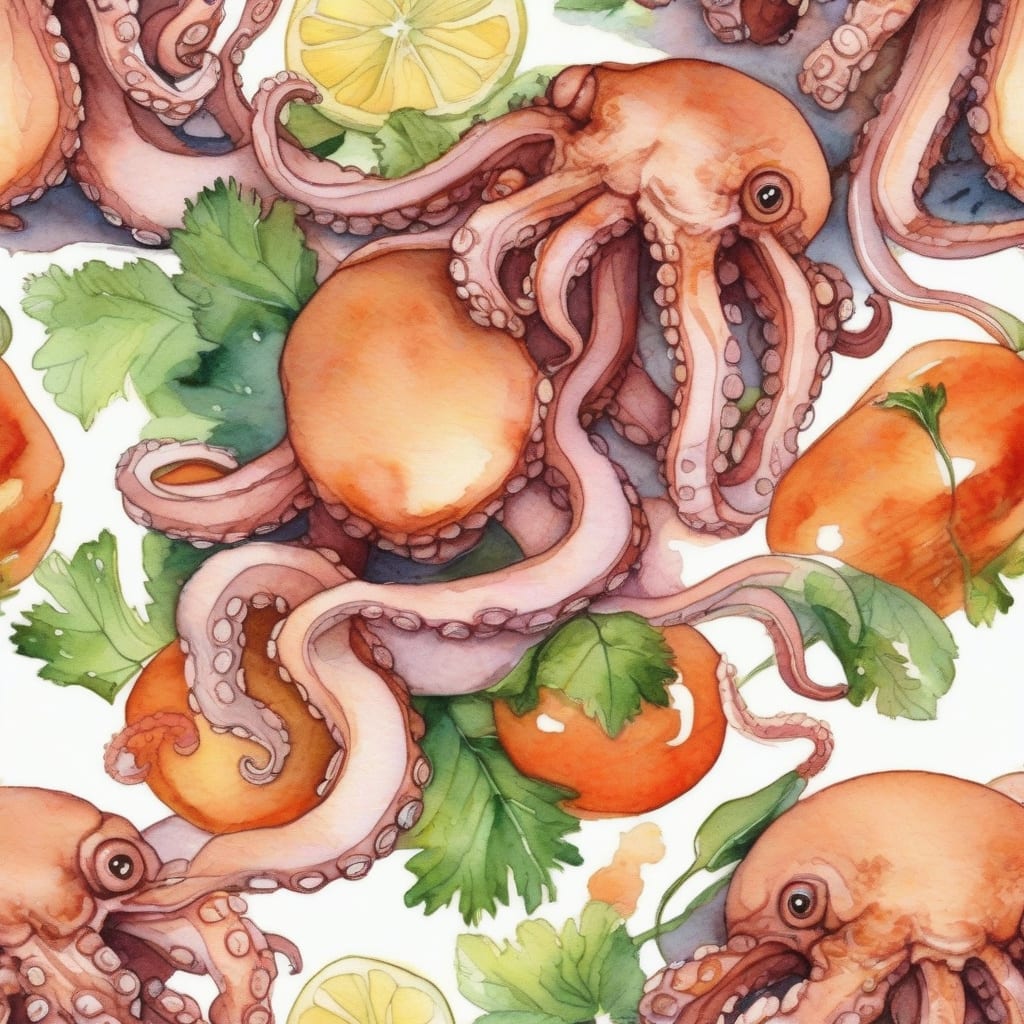
Octopus Stew Recipe: Tender, Flavorful, and Easy to Make
I’ve perfected a simple octopus stew recipe that delivers tender, flavorful results every time. 🔥 This dish is surprisingly easy to make, requiring just a few key ingredients and some patience during cooking.
The secret to tender octopus lies in proper cooking technique. By simmering it gently in a rich broth with vegetables, we achieve that perfect texture. My method ensures the octopus stays tender while absorbing all the delicious flavors.
You’ll be amazed at how easily this restaurant-quality stew comes together at home. The aroma of simmering seafood and vegetables will fill your kitchen, creating a truly satisfying meal. Let’s get started with the recipe!
This stew is perfect for special occasions or when you want to impress. Serve it with crusty bread or over rice for a complete meal.
Ingredients for octopus stew
Here’s everything you need to create this tender and flavorful octopus stew recipe at home.
| Ingredient | Amount | Notes |
|---|---|---|
| Octopus 🐙 | 1 ½ lb | Cleaned, tentacles separated |
| Olive Oil 🫒 | ¼ cup | Extra-virgin for richness |
| Onion 🧅 | 1 whole | Yellow or sweet onion, sliced |
| Garlic Cloves 🧄 | 4 cloves | Minced, for depth of flavor |
| White Wine 🍷 | 1 cup | Dry white wine, such as Sauvignon Blanc |
| Fish Stock 🐟 | 2 cups | Low-sodium for better control |
| Diced Tomatoes 🍅 | 1 can | San Marzano or similar quality |
| Red Bell Pepper 🌶️ | 1 whole | Sliced, for color and sweetness |
| Potatoes 🥔 | 2 whole | Peeled, cubed for heartiness |
| Fresh Parsley 🌿 | ¼ cup | Chopped, for freshness |
| Bay Leaves 🌿 | 2 whole | For aromatic depth |
| Salt 🧂 | 1 tsp | Kosher or sea salt, to taste |
| Black Pepper 🌶️ | ½ tsp | Freshly ground, to taste |
[recipe_ingredient_scaler]
You can find fresh or frozen octopus at quality seafood markets or well-stocked grocery stores. For the best flavor, use a dry white wine that you'd drink. Look for San Marzano tomatoes for their superior sweetness and low acidity. For potatoes, choose waxy varieties like Yukon Gold or red potatoes that hold their shape during cooking.
If you can't find octopus, you can substitute with calamari or firm-fleshed fish like halibut. For a spicier stew, add a pinch of red pepper flakes. To make it more substantial, add some chopped carrots or celery with the onions. You can also use vegetable broth instead of fish stock for a lighter flavor, though it changes the character slightly.
Store any leftover stew in an airtight container in the refrigerator for up to 3 days. The flavors will meld together even more upon reheating, making leftovers often taste better than the initial serving. Reheat gently over low heat to maintain the tender texture of the octopus.
Step-by-Step Instructions for Octopus Stew
Let me guide you through each step of this tender and flavorful octopus stew recipe.
🔥 Step 1: Sear the Octopus
Heat the 0.25 cup olive oil in a large Dutch oven over medium-high heat. Add the 1.5 lb octopus and sear for 2-3 minutes on each side until it develops a nice brown color. This initial sear creates a rich fond that adds depth to the stew.
Remove the octopus from the pot and set it aside on a plate. The octopus will be tough at this stage, but don’t worry – it will tenderize during the slow cooking process.
👨🍳 Step 2: Sauté Aromatics and Prepare Vegetables
Reduce the heat to medium and add the sliced onion to the same pot. Cook for 5-7 minutes until it’s softened and translucent, stirring occasionally. Add the 4 cloves minced garlic and cook for another minute until fragrant.
While the onions cook, prepare the other vegetables: slice the 1 whole red bell pepper and cube the 2 whole potatoes. Having all ingredients ready before proceeding ensures a smooth cooking process.
🍳 Step 3: Deglaze and Simmer the Stew
Add the 1 cup white wine to the pot, scraping up any browned bits from the bottom. Bring to a simmer and cook for 2-3 minutes until the liquid is reduced by half. Then add the 2 cups fish stock, 1 can diced tomatoes, 2 whole bay leaves, 1 tsp salt, and 0.5 tsp black pepper.
Return the seared octopus to the pot along with the prepared red bell pepper and potatoes. Bring everything to a gentle simmer, then cover the pot and transfer it to a preheated oven at 300°F. Let it cook for 45-60 minutes or until the octopus is tender when pierced with a fork.
⏰ Step 4: Finish and Serve
Remove the pot from the oven and let it cool slightly with the lid ajar for 5 minutes. Stir in the 0.25 cup chopped fresh parsley. The residual heat will slightly wilt the parsley, releasing its fresh flavor into the stew.
Serve the stew hot, garnished with additional parsley if desired. The potatoes should be tender, the octopus should be easily pierced with a fork, and the flavors should be rich and well-balanced.
Octopus stew is a hearty, flavorful dish that’s perfect for a chilly evening. This recipe is surprisingly easy to make, and with a few simple ingredients, you can create a deliciously tender and rich stew that’s sure to impress. 🐙
Preparing the Octopus 🔪
To start, you’ll need to clean and prepare the octopus. Rinse it under cold water, then remove the beak and ink sac. Cut the tentacles into manageable pieces and set them aside. Don’t worry if you’re not familiar with cleaning octopus – it’s a simple process that requires some basic kitchen skills.
Cooking the Stew 🍳
Heat some olive oil in a large pot over medium heat. Add sliced onions, garlic, and a pinch of salt, and sauté until the onions are translucent. Then, add the octopus pieces, diced tomatoes, white wine, and some chopped fresh parsley. Bring the mixture to a simmer, then reduce the heat to low and let it cook for about 30-40 minutes, or until the octopus is tender.
- Use a pressure cooker to reduce cooking time to under 20 minutes ⏰
- Add some red pepper flakes for an extra kick of heat 🔥
- Serve with crusty bread or over rice for a filling meal 🍞
Some additional tips to keep in mind: you can also use frozen octopus if fresh is not available, just thaw it first. For a more intense flavor, you can add some smoked paprika or saffron to the stew. 💡
Tips & Variations for Perfect Octopus Stew
These tried-and-tested tips will help you achieve tender, flavorful octopus stew every time.
Tenderizing the Octopus: To ensure tender octopus, cook it slowly at a low temperature. The gentle heat breaks down the connective tissues, making it tender and palatable. I recommend cooking it at 300°F for 45-60 minutes. 🔥
Enhancing Flavor: For a richer flavor, use a good quality fish stock and white wine. You can also add a splash of lemon juice towards the end of cooking to brighten the flavors. The acidity helps balance the richness of the stew.
Preparing Ingredients: Make sure to chop all your vegetables before starting to cook. Having everything ready ensures a smooth cooking process and prevents overcooking the octopus. I like to slice the red bell pepper and cube the potatoes while the onions are cooking.
Storage and Reheating: This stew keeps well in the refrigerator for up to 3 days. Reheat it gently on the stovetop over low heat, adding a splash of fish stock if needed to thin it out. You can also freeze it for up to 3 months—thaw overnight before reheating.
Nutrition Facts
240kcal
This octopus stew recipe provides a nutrient-rich meal with tender octopus, vegetables, and potatoes. The combination of olive oil, garlic, and white wine creates a flavorful broth that’s both satisfying and nourishing. With a balance of protein, healthy fats, and complex carbohydrates, this dish is perfect for a hearty meal.
The stew is an excellent source of protein from the octopus, supporting muscle health and satisfaction. The vegetables and potatoes add dietary fiber, aiding digestion, while the olive oil provides healthy fats that support heart health. This nutrient-dense meal is both filling and flavorful.
Enjoy this stew in moderation as part of a balanced diet. With approximately 240 calories per serving, it’s a reasonable choice for those looking for a protein-rich meal. The nutrients from the various ingredients work together to provide a satisfying and healthy dining experience.
[recipe_ingredient_scaler]

Trained in classic French technique but raised on slow-cooked ribs and spicy rubs, she blends culinary skill with smoke and soul.