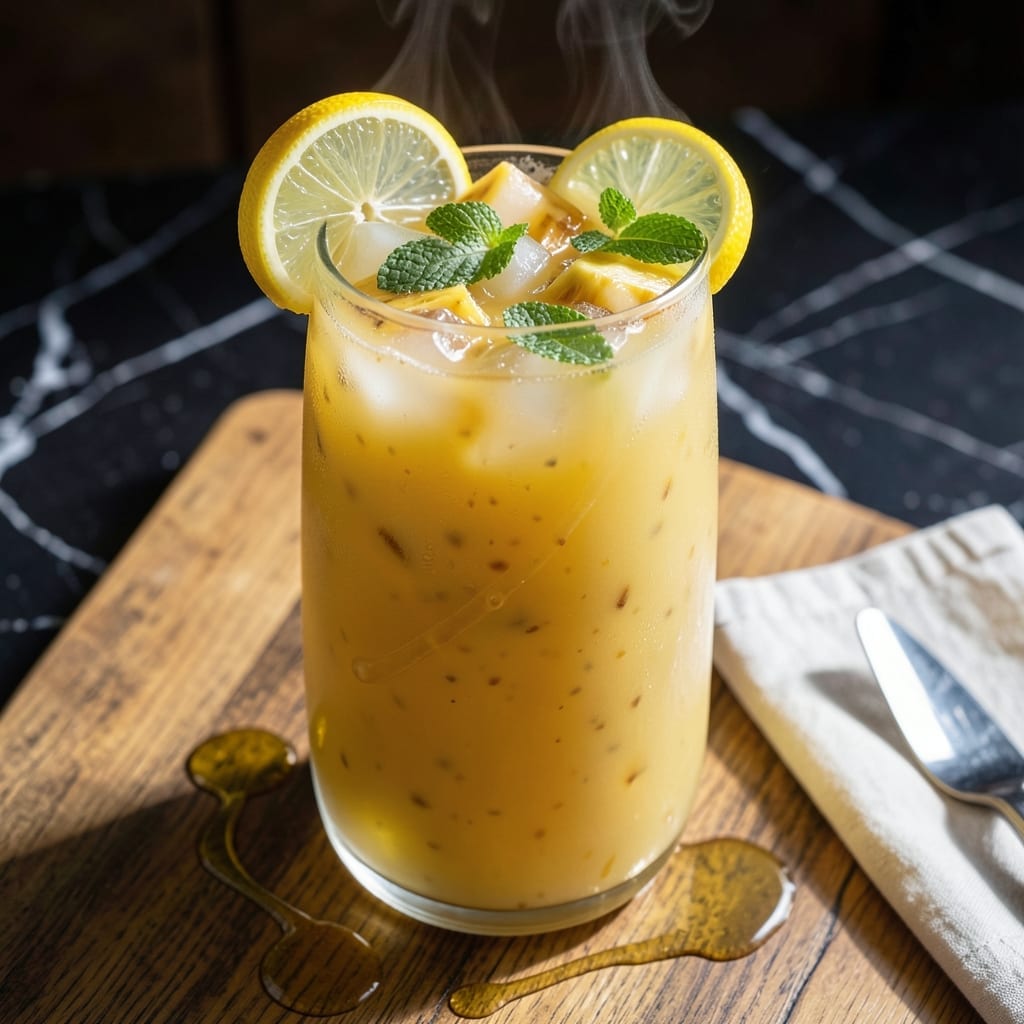
There’s nothing like the bright, natural sweetness of fresh pineapple juice to transport you to a tropical paradise. This recipe captures that pure, vibrant flavor without any added sugars or artificial ingredients.
The key is selecting perfectly ripe pineapples and using a juicer or blender to extract every drop of liquid gold. I’ve tested this method in my small kitchen, ensuring it works even in tight spaces.
What you’ll get is a refreshing, smooth juice that’s as good in a morning smoothie as it is served chilled over ice. The natural enzymes make it a great digestif, too.
Use it in cocktails, marinades, or simply enjoy it on its own for a burst of sunshine in a glass.
Ingredients for Pineapple Juice
Six ingredients bring tropical sunshine straight to your glass with ease.
| Ingredient | Amount | Notes |
|---|---|---|
| Fresh Pineapple 🍍 | 4 cups | Peeled, cored, roughly chopped |
| Cold Water 💧 | ½ cup | Optional for thinning juice |
| Fresh Lime Juice 🍋 | 1 tbsp | For brightness and balance |
| Fresh Mint Leaves 🌿 | 6 whole | Optional for garnish and flavor |
| Ice Cubes ❄️ | 2 cups | For serving chilled |
| Agave Nectar 🍯 | 1 tsp | Optional sweetener if needed |
[recipe_ingredient_scaler]
The pineapple is everything here. Look for golden color with a sweet smell at the base—avoid green or overly soft ones. Whole pineapples give the best flavor, but pre-cut from Costco works in a pinch (just check the freshness date). I prefer organic when possible—the flavor is noticeably sweeter. If you’re juicing a lot, invest in a good breville juicer, but a blender and cheesecloth work too.
No fresh pineapple? Frozen works surprisingly well—just thaw completely first. Lime can be swapped for lemon if that’s what you have. The agave is totally optional (the juice is plenty sweet on its own), but if you need it, maple syrup or date syrup are great alternatives. Mint not your thing? Skip it or try basil for a fun twist.
Fresh juice is best within 24-48 hours. Store in a sealed jar in the fridge. For longer storage, freeze in ice cube trays—perfect for smoothies. Always give it a good shake before serving since the pulp settles.
Why You’ll Love This Recipe
- Blender Friendly: I just toss in the pineapple chunks, a squeeze of lime, and cold water—no fancy prep or tools needed.
- Tropical Brightness: The fresh pineapple and lime juice hit that sweet-tart balance, and the mint adds a crisp, refreshing finish.
- Crowd Pleaser: Honestly, this works for brunch with friends, a post-workout drink, or even a weeknight dinner side.
- Budget Saver: A whole pineapple gives me multiple servings for the cost of one store-bought bottle, and it tastes ten times better.
Step-by-Step Instructions for Pineapple Juice
Here’s my simple method that delivers bright, tropical flavor with minimal effort.
Step 1: Prepare the Fresh Pineapple
Start by peeling the 4 cups Fresh Pineapple and removing the tough core. I find it easiest to slice the pineapple into rings first, then use a small cookie cutter or knife to remove the center. Roughly chop the pineapple into 1-inch chunks—this size works perfectly in most blenders.
Make sure your pineapple is ripe but firm. Overripe pineapple can make the juice too sweet and pulpy, while underripe fruit may taste tart and lack the full tropical flavor we’re after.
Step 2: Blend with Lime and Water
Place all the chopped pineapple into your blender. Add the 1 tbsp Fresh Lime Juice—this brightens the pineapple’s natural sweetness and adds a subtle tang that balances the flavor. For a smoother consistency, pour in the 0.5 cup Cold Water.
Blend on high speed for 45-60 seconds until completely smooth. If your blender struggles, stop and scrape down the sides, then continue blending. The mixture should look uniform with no visible chunks.
Step 3: Strain and Sweeten if Desired
Pour the blended mixture through a fine-mesh strainer into a large pitcher. Use a silicone spatula to press down on the pulp, extracting as much juice as possible. This step removes the fibrous bits, giving you a silky-smooth texture.
Taste the juice at this point. If you prefer it sweeter, stir in the 1 tsp Agave Nectar until fully dissolved. I usually find ripe pineapple sweet enough on its own, but the agave adds a nice touch if you’re serving this to kids or prefer a sweeter profile.
Step 4: Chill and Serve
Add the 2 cups Ice Cubes directly to the pitcher of juice. This instantly chills the mixture without dilution. Give it a good stir to distribute the cold evenly throughout the juice.
Pour into glasses and garnish each with 1-2 Fresh Mint Leaves if desired. The mint adds a refreshing aroma that complements the tropical flavors beautifully. Serve immediately while icy cold for the best experience.
Pro Tips For Making Pineapple Juice
- Use Ripe Pineapple: Pick pineapples with a golden-yellow base and slightly soft when squeezed—underripe ones taste tart and ruin the juice. I learned this the hard way after forcing down a glass of sour disappointment.
- Strain Twice: After blending, strain through a fine-mesh sieve, then do it again. Sounds tedious, but it removes all those pesky fibers that make the texture weird.
- Chill the Ingredients: Use ice-cold water and refrigerate the pineapple chunks for 30 minutes before blending. It keeps the juice crisp and refreshing instead of lukewarm and flat.
- Muddle the Mint: Gently crush the mint leaves with a spoon before adding them to the juice. It releases the oils without the bitterness you get from over-muddling—I was skeptical until I tried it.
Regional Styles of These Flavors
Hawaiian Tradition
In Hawaii, fresh pineapple juice is often served with a splash of coconut water for a tropical twist called “POG juice.” I love this combination—it’s refreshing and deeply hydrating. Locals also use it in marinades for kalua pork or to tenderize fish. 🌺
Mexican Agua Fresca
South of the border, they blend pineapple juice with cold water and a touch of lime for agua fresca. I’ve seen it served with a sprinkle of tajín on the rim for a spicy-sweet kick. It’s a staple at street food stands and perfect for hot afternoons.
Caribbean Style
In the Caribbean, pineapple juice is often spiked with dark rum and a dash of nutmeg for a boozy brunch treat. I tried this in St. Lucia and it became my go-to vacation drink. The warmth of the spices pairs beautifully with the fruit’s acidity.
Thai-Inspired
Thai chefs use pineapple juice as a base for sweet and sour sauces, balancing it with fish sauce, chili, and brown sugar. I’ve adapted this for quick weeknight stir-fries—it adds a bright, tangy depth that’s hard to beat. 🍍
Brazilian Batida
Brazil’s version blends pineapple juice with cachaça and condensed milk for a creamy, frothy cocktail called batida. I make a non-alcoholic version with coconut milk for my kids—they call it their “tropical milkshake.”
Boston Fusion
Back in my Boston kitchen, I mix pineapple juice with ginger beer and a squeeze of lime for a winter mocktail. It’s my nod to tropical flavors while staying cozy in New England. The ginger adds a nice warmth that cuts through the cold. 💛
Nutrition Facts
Frequently Asked Questions
How do I pick the best pineapple for juice?
Look for a golden color with a sweet smell at the base. Avoid green or overly soft ones. The leaves should pull out slightly when tugged.
Can I make this without a juicer?
A blender and fine-mesh strainer work perfectly. Blend chopped pineapple with 0.5 cup water, then strain to remove pulp.
How long will fresh pineapple juice keep?
Store it in an airtight container in the fridge for 24-48 hours. For longer storage, freeze in ice cube trays.
What can I do with leftover pulp?
Save it for smoothies, baking, or add to overnight oats. The pulp is packed with fiber and flavor.

Trained in classic French technique but raised on slow-cooked ribs and spicy rubs, she blends culinary skill with smoke and soul.
- Sanjeev Kapoor Egg Biryani Recipe: Fragrant Spiced Rice With Boiled Eggs - October 3, 2026
- Recipe for French Pork Spread Gorton: Savory Gallic Flavors in a Spreadable Delight - October 3, 2026
- Recipe for Pan Fried: Golden Crust with Savory Depth - October 3, 2026