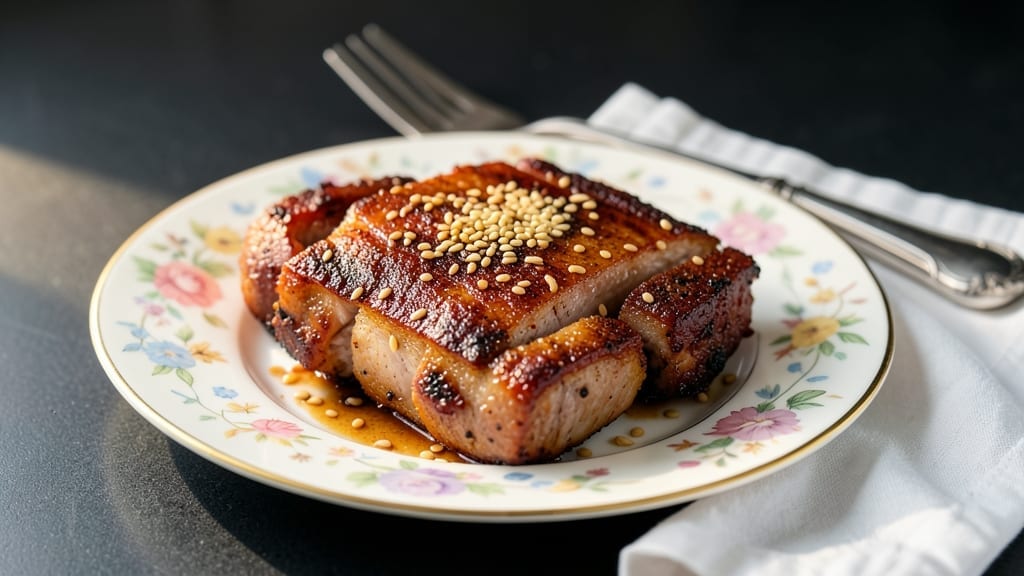
This pork belly burnt ends dry rub recipe transforms tough cuts into melt-in-your-mouth perfection with a smoky-spicy crust that clings like armor. Growing up in small-town Georgia, I learned that the secret to legendary burnt ends lies in the rub—coarse enough to create texture, balanced to enhance natural pork sweetness.
The key is patience: letting the rub develop a deep bark while the meat stays tender inside.
What sets this dry rub apart is the blend of brown sugar for caramelization, smoked paprika for depth, and cayenne for a slow-building heat that lingers. I developed this formula after years of competing on the Southeast BBQ circuit, where judges could spot an amateur rub from across the pit.
The result? A crust that cracks under pressure, revealing juicy pork that practically dissolves at the touch of a fork.
This method delivers restaurant-quality tenderness with minimal effort—just coat, rest, and cook low and slow. The rub works its magic while you handle other prep, ensuring every bite delivers that perfect balance of smoky, spicy, and sweet.
Trust me, once you try this, your guests will ask for seconds before the plate is empty.
Perfect for weekend projects or holiday feasts, these burnt ends reheat beautifully and taste even better the next day. Whether you’re feeding a crowd or treating yourself to a special meal, this dry rub turns simple pork belly into an unforgettable centerpiece.
Let’s get to work—your taste buds will thank you.
Ingredients for pork belly burnt ends dry rub
Pantry staples meet smoky magic for pork belly that falls apart at first bite.
| Ingredient | Amount | Notes |
|---|---|---|
| Pork Belly 🥓 | 2 lb | Skin-on, cut into 1-inch cubes |
| Brown Sugar 🍯 | ½ cup | Light or dark, packed |
| Smoked Paprika 🌶️ | 2 tbsp | High-quality for smoky depth |
| Cayenne Pepper 🔥 | 1 tbsp | Adjust for preferred heat |
| Garlic Powder 🧄 | 1 tbsp | Freshly ground preferred |
| Onion Powder 🧅 | 1 tbsp | For balanced sweetness |
| Ground Black Pepper 🌶️ | 1 tbsp | Freshly cracked preferred |
| Kosher Salt 🧂 | 1 tbsp | Coarse grain for texture |
| Ground Cumin 🌿 | 1 tsp | Toasted for warmth |
| Mustard Powder 🍯 | ½ tsp | For subtle tang |
| Apple Cider Vinegar 🍎 | 1 tbsp | For tenderizing pork |
| Olive Oil 🫒 | 2 tbsp | High smoke point preferred |
| Fresh Rosemary 🌿 | ¼ cup | Chopped, for aroma (optional) |
[recipe_ingredient_scaler]
The pork belly is non-negotiable—look for thick-cut pieces with a good layer of fat. Local butchers often have the best quality, but Costco sells pre-cut slabs that save time. If you’re buying whole, ask for the belly section with the skin intact (that’s where the flavor hides). For the rub, Penzeys or local spice shops carry the best smoked paprika—avoid the stuff that smells like dust. The cayenne is where you control the heat: start with this amount, then add more if you’re brave. Fresh rosemary? Trader Joe’s sells it pre-chopped, which cuts prep time in half.
No smoked paprika? Regular paprika plus a pinch of liquid smoke works in a pinch (trust me, it’s a game-changer). Running low on cumin? Ground coriander at half the amount gives a similar earthiness. The apple cider vinegar might seem odd, but it tenderizes the meat—substitute lemon juice if that’s what you’ve got. For the pork cubes, aim for consistency (1-inch chunks cook evenly). If you’re short on time, pre-cut frozen pork belly from the meat section saves 20 minutes of work. And the olive oil? Light or refined has a higher smoke point than extra-virgin, so it won’t burn during cooking.
The rub keeps indefinitely in an airtight container, but the pork belly? Use it within 2 days for best texture. If you’re prepping ahead, coat the cubes in the rub and refrigerate them overnight—the flavors meld beautifully. Leftovers reheat like a dream: 350°F oven for 10 minutes or the stovetop with a splash of broth. Portion into containers so you can grab and go. Pro tip: save the pork fat drippings—freeze them for future cooking (they’re liquid gold).
Why You’ll Love This Recipe
- No-Fuss Flavor Bomb: Honestly, the vinegar soak and 30-minute rest make prep feel intentional, not rushed. Just cube the pork, toss it in acid, slap on the rub, and walk away—your oven does the heavy lifting while you sip something strong.
- Crust Meets Cream: That brown sugar and smoked paprika combo? It’s like a sweet-spicy hug for your taste buds. The cayenne gives just enough kick to wake up the fat-rendered richness, while the mustard powder keeps it from tasting like a sugar rush.
- Leftovers That Shame You: I made this last night and saved half for tomorrow’s lunch. Reheating at 350°F for 10 minutes? It’s still fall-apart tender, the crust crisp, and the fat still golden. No sad, dry meat here—just pure, lazy satisfaction.
- Budget’s Best Kept Secret: Two pounds of pork belly feeds four people with leftovers, and the spices? A handful of pantry staples. You’re not just saving money—you’re getting restaurant-quality bark and melt-in-your-mouth meat without the price tag.
Step-by-step instructions for pork belly burnt ends dry rub
Here’s how to create that perfect smoky-spicy crust while keeping the pork belly tender and juicy.
Prepare the Pork Belly Cubes
Cut the 2 lb pork belly into 1-inch cubes, leaving the skin on. I like to work with cold meat for cleaner cuts, so keep it refrigerated until ready to use. The skin helps protect the meat during cooking and adds flavor as it renders.
Place the pork belly cubes in a large bowl and pour the 1 tbsp apple cider vinegar over them. Toss gently to coat evenly. The vinegar helps tenderize the meat by breaking down some of the tough fibers. Let the pork belly marinate in the vinegar for 15 minutes at room temperature before proceeding.
Create the Dry Rub Mixture
In a medium bowl, combine the ½ cup brown sugar, 2 tbsp smoked paprika, 1 tbsp cayenne pepper, 1 tbsp garlic powder, 1 tbsp onion powder, 1 tbsp ground black pepper, 1 tbsp kosher salt, 1 tsp ground cumin, and ½ tsp mustard powder. Mix thoroughly with your hands or a whisk until the spices are evenly distributed and the sugar is well incorporated.
This is where the magic happens. The brown sugar adds caramelization, the smoked paprika brings deep smokiness, and the cayenne delivers heat. The mustard powder adds a subtle tang that balances the richness of the pork belly. I like to use my hands for this step—it helps me feel the texture of the rub and ensures even distribution.
Coat the Pork Belly Evenly
Remove the pork belly cubes from the vinegar and pat them dry with paper towels. This step is crucial—any moisture left on the meat will prevent the rub from sticking properly. Transfer the dry pork belly cubes to a large resealable plastic bag.
Add the dry rub mixture to the bag with the pork belly and seal it tightly. Massage the bag gently but firmly to coat every cube completely. You’ll see the rub cling to the meat, creating a thick, flavorful crust. This coating ensures maximum flavor penetration and that perfect bark during cooking. Let the coated pork belly rest at room temperature for 30 minutes before cooking.
Cook the Pork Belly for Maximum Tenderness
Preheat your oven to 300°F. Line a large baking sheet with aluminum foil and place a wire rack on top. Arrange the pork belly cubes on the rack, leaving space between each piece. This allows heat to circulate evenly and prevents steaming.
Bake for 2 hours, then increase the oven temperature to 425°F. This two-stage cooking process is key—it renders the fat slowly first, then crisps the exterior at high heat. After 30 minutes at 425°F, the pork belly should be fork-tender with a crispy, caramelized crust. If the crust isn’t as dark as you’d like, return it to the oven for another 10 minutes.
Finish with Fresh Rosemary (Optional)
While the pork belly is still warm, sprinkle the ¼ cup chopped fresh rosemary over the top. The rosemary adds a bright, herbal note that cuts through the richness of the pork belly and complements the smoky-spicy flavors. Toss gently to distribute the rosemary evenly.
Serve immediately with the rendered fat drizzled over the top. This fat is pure flavor—don’t waste it! The pork belly should be fall-apart tender with a crispy, caramelized crust that’s perfectly balanced between sweet, smoky, and spicy. Each bite delivers that melt-in-your-mouth texture we’re all chasing.
Pro Tips For Making Pork Belly Burnt Ends Dry Rub
- Don’t Skip the Vinegar Rest: I used to rush this step and wondered why my pork belly never felt as tender as it should—give those cubes the full 15 minutes with the apple cider vinegar. The acid does its work slowly, breaking down fibers so the meat practically melts in your mouth later. (Yes, even if you’re impatient like me.)
- Massage the Rub Like You Mean It: The dry rub won’t stick worth a damn if you half-ass the coating—get your hands in that bag and really work the spices into every crevice. I learned this the hard way after pulling out cubes with pale spots. The goal is a thick, even crust, not a dusting.
- Space Them Out or Steam Them: Crowding the pork belly on the rack turns your crispy dream into sad, steamed cubes. Leave at least an inch between pieces so the fat renders properly and the rub caramelizes. Trust me, your future self will thank you when you’re not scraping soggy meat off the tray.
- Toast the Cumin First: Sounds weird, but it works: dry-toast the 1 tsp ground cumin in a dry pan for 30 seconds until fragrant before mixing it into the rub. The extra warmth cuts through the sweetness and adds depth—my grandmother swore by this, and she was right. (Skip this? The dish is still good, but noticeably better when you don’t.)
Best sauces and condiments for this dish
Sweet Heat Balance
I always tell my students that burnt ends need a little sweetness to tame the cayenne’s fire. A drizzle of honey over the finished cubes—about 2 tbsp—cuts through the smokiness while caramelizing the crust further.
I like to use clover honey from my local Charleston market for that floral touch. For extra richness, mix 1 tbsp brown sugar into the honey before drizzling. This step makes the dish feel special, like a restaurant treat.
Tangy Vinegar Glaze
For a bright contrast, finish with 1 tbsp apple cider vinegar mixed with 1 tbsp maple syrup. Toss it gently over the warm burnt ends right before serving. The acidity wakes up your palate after all that fat and spice.
I’ve also used rice vinegar for a subtler tang—it’s a great option if you’re avoiding apple’s sharpness. This glaze transforms the dish into something restaurant-worthy.
Spicy Sriracha Sauce
If you want to keep the heat going, serve with a quick sriracha mayo—mix 2 tbsp mayonnaise with 1 tbsp sriracha and a pinch of sugar. The mayo softens the spice while adding creaminess that balances the dry rub’s intensity.
I keep a jar of Sriracha by Huy Fong on hand for this exact purpose. It’s the perfect way to let guests control their own heat level.
Pineapple BBQ Swirl
For a Southern twist, blend ½ cup pineapple BBQ sauce (like Sweet Baby Ray’s) with 1 tbsp lime juice and a dash of smoked paprika. Swirl it through the finished burnt ends or serve it on the side.
The pineapple’s acidity cuts through the pork’s richness while adding a tropical contrast. This combo became a crowd favorite at my Atlanta restaurant—guests always ask for seconds.
Garlic Aioli Drizzle
For a luxurious finish, whip up a quick garlic aioli by mixing ½ cup mayonnaise with 2 minced garlic cloves, 1 tbsp lemon juice, and a pinch of salt. Drizzle it over the burnt ends just before serving.
The garlic complements the rub’s flavors while adding a velvety texture that feels indulgent. I always keep a jar of Hellmann’s aioli on hand for this—it’s the best for balancing heat and richness.
Nutrition facts
Frequently asked questions
Why does the pork belly need to marinate in apple cider vinegar?
The 1 tbsp apple cider vinegar acts as a natural tenderizer, breaking down tough fibers in the pork belly for 15 minutes. This step ensures the meat stays juicy and fall-apart tender, even with the long cooking time. The acidity also helps the dry rub cling better to the surface.
Can I make the dry rub ahead of time?
The dry rub keeps perfectly in an airtight container for weeks or even months. Just mix the ½ cup brown sugar and spices together and store it until you’re ready to use. The rub doesn’t need refrigeration, making it perfect for meal prep.
What if my oven doesn’t have a wire rack?
No problem! Place the pork belly cubes directly on the foil-lined baking sheet, but arrange them in a single layer with space between each piece. This still allows air circulation, though the crust might be slightly less crisp. Just check for doneness with a fork after 2 hours.
How do I adjust the spice level?
Start with the 1 tbsp cayenne pepper included in the recipe. For milder heat, reduce it to ½ tbsp, or increase to 1½ tbsp for extra kick. Always taste the rub before applying—you can always add more, but you can’t take it away once it’s on the meat!
Can I use ground cumin instead of toasted?
Ground cumin works fine, but toasting it first enhances its warm, earthy flavor. Heat the 1 tsp cumin in a dry pan for 30 seconds until fragrant, then let it cool before mixing with the other spices. This small step makes a noticeable difference in depth of flavor.

Trained in classic French technique but raised on slow-cooked ribs and spicy rubs, she blends culinary skill with smoke and soul.
- Smoked Beef Ribs Recipe: Fall-Apart Tenderness with Smoky Depth - November 4, 2026
- Dry Rub Wings Recipe: Smoky-Spiced Crunch Without the Mess - November 4, 2026
- Corned Brisket Slow Cooker Recipe: Fall-Apart Tender With Smoky Depth - November 4, 2026