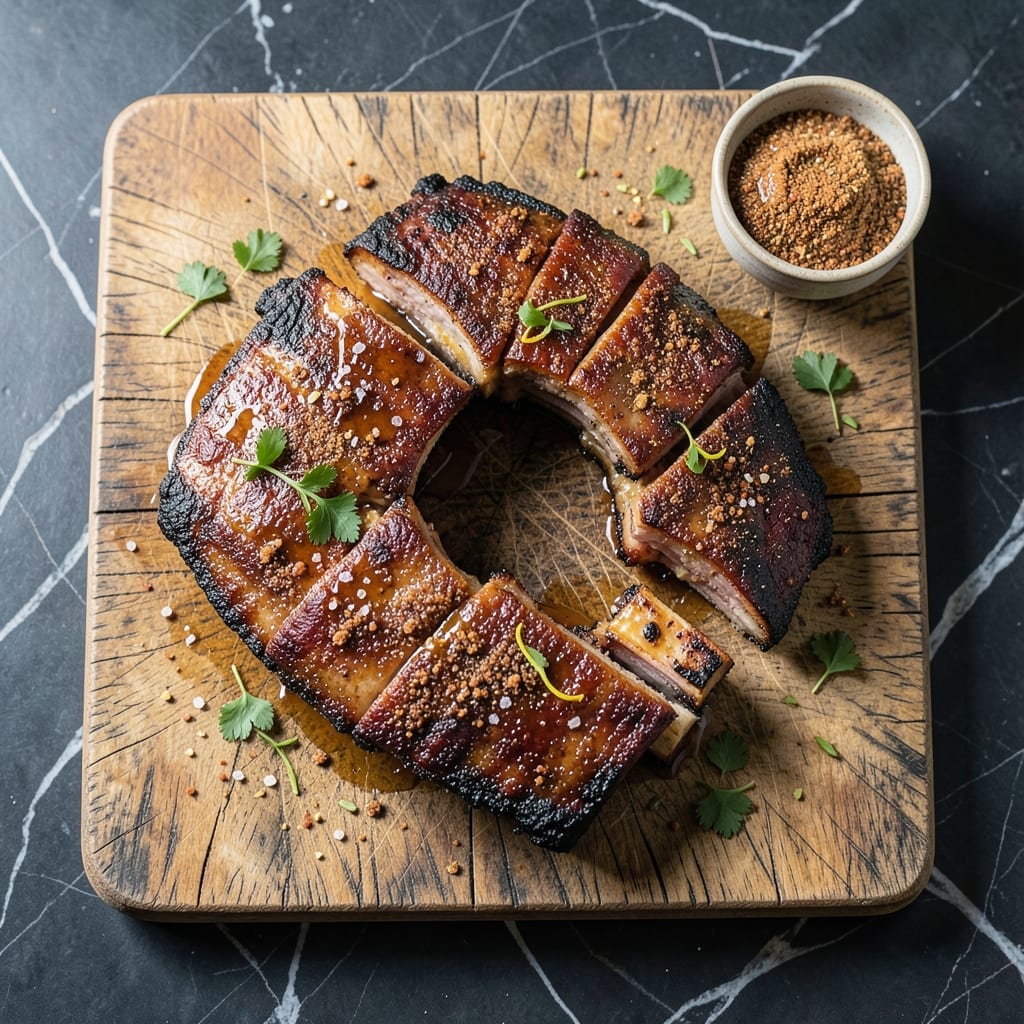
Smoking ribs on a Weber kettle transforms backyard cooking into an art form. This method delivers perfectly tender meat with a caramelized bark that falls off the bone with each bite.
I developed this technique after countless weekend experiments, refining the balance of smoke, heat, and time. The kettle’s design allows precise temperature control, essential for low-and-slow cooking.
The result is ribs with a deep, smoky flavor and a texture that’s both juicy and firm. A simple dry rub enhances the pork’s natural richness without overpowering it.
This approach turns a basic cut into a centerpiece worthy of any gathering. The process is straightforward, but the results are anything but ordinary.
Ingredients for Pork Ribs Recipe Weber Kettle
Transform a basic cut into a showstopping dish with these carefully selected ingredients.
| Ingredient | Amount | Notes |
|---|---|---|
| Pork Baby Back Ribs 🥩 | 2 lb | Full rack, membrane removed |
| Brown Sugar 🧈 | ½ cup | Light or dark variety |
| Kosher Salt 🧂 | 2 tbsp | Diamond Crystal preferred |
| Black Pepper 🌶️ | 1 tbsp | Freshly ground coarse |
| Smoked Paprika 🌶️ | 1 tbsp | Sweet or hot variety |
| Garlic Powder 🧄 | 1 tbsp | Not garlic salt |
| Onion Powder 🧅 | 1 tbsp | Fresh ground preferred |
| Cayenne Pepper 🔥 | ½ tsp | Adjust for heat preference |
| Apple Cider Vinegar 🍏 | ¼ cup | For spritzing during cook |
| Hickory Wood Chips 🪵 | 2 cups | Soaked in water 30 minutes |
| Yellow Mustard 🟡 | ¼ cup | Binder for dry rub |
| Apple Juice 🍎 | 1 cup | For spritz bottle |
[recipe_ingredient_scaler]
The ribs are the foundation. Baby back ribs offer the ideal meat-to-bone ratio for this method, with consistent marbling that renders beautifully during low-and-slow cooking. Source from Costco for quality at scale or your local butcher for custom cuts. Look for racks with vibrant color and no graying—signs of freshness. The membrane on the bone side must be removed (a butter knife and paper towel make this easy).
No hickory chips? Apple or cherry wood provides a sweeter smoke profile that pairs wonderfully with pork. The dry rub components can be adjusted—reduce cayenne to 1/4 tsp for milder heat or add 1 tsp mustard powder for complexity. Apple juice can be swapped for cider or beer in the spritz bottle (the alcohol evaporates but leaves great flavor). Skip the mustard binder if preferred—the rub will still adhere.
Store dry rub in an airtight container for up to 6 months. Ribs can be prepped 12 hours ahead—apply rub and refrigerate uncovered to form a pellicle. Cooked ribs keep 3-4 days refrigerated but are best served fresh. Freeze wood chips in their original bag to maintain moisture.
Why You’ll Love This Recipe
- Set and Forget: The Weber kettle does all the work—just season, smoke, and let those baby back ribs slow-cook to perfection.
- Sweet & Smoky: Brown sugar and smoked paprika create a caramelized crust that’s finger-licking good.
- Crowd Pleaser: I’ve served these at summer BBQs and casual weeknight dinners—always a hit, no matter the occasion.
- Leftovers? Yes Please: Honestly, they taste even better the next day—if they last that long.
Step-by-Step Instructions for Weber Kettle Pork Ribs
Master the technique for competition-quality results with perfect bark and fall-off-the-bone tenderness.
Step 1: Prepare the Ribs and Apply the Rub
Pat the 2 lb Pork Baby Back Ribs dry with paper towels after removing the membrane. This ensures the rub adheres properly and the bark forms evenly. In a bowl, combine the 0.5 cup Brown Sugar, 2 tbsp Kosher Salt, 1 tbsp Black Pepper, 1 tbsp Smoked Paprika, 1 tbsp Garlic Powder, 1 tbsp Onion Powder, and 0.5 tsp Cayenne Pepper.
Brush the 0.25 cup Yellow Mustard thinly over both sides of the ribs as a binder—this helps the rub stick without overpowering the flavor. Generously coat the ribs with the spice mixture, pressing it into the meat so it forms a solid crust. Let the seasoned ribs sit at room temperature for 30-45 minutes while you prepare the grill.
Step 2: Set Up the Weber Kettle for Indirect Heat
Soak the 2 cups Hickory Wood Chips in water for 30 minutes, then drain. Fill a chimney starter with charcoal and light it. Once the coals are covered with white ash (about 15-20 minutes), dump them onto one side of the kettle to create a two-zone fire.
Add a handful of the soaked wood chips directly onto the hot coals. Place the grill grate on and position a disposable aluminum drip pan on the empty side. This indirect setup allows the ribs to cook low and slow without burning. Aim to maintain a grill temperature of 250-275°F throughout the cook.
Step 3: Smoke the Ribs with Consistent Temperature
Place the ribs bone-side down on the grill grate over the drip pan, as far from the direct heat as possible. Cover the kettle and adjust the vents to stabilize the temperature. Smoke the ribs undisturbed for 2 hours—this builds the initial bark and infuses smoky flavor.
After 2 hours, mix the 1 cup Apple Juice and 0.25 cup Apple Cider Vinegar in a spray bottle. Lightly spritz the ribs every 45-60 minutes to keep them moist and add a subtle tang. Add more charcoal and wood chips as needed to maintain temperature and smoke.
Step 4: Wrap and Finish for Tenderness
After 3 hours of smoking, the ribs should have a deep reddish-brown color. Wrap the rack tightly in heavy-duty aluminum foil with ¼ cup of the apple juice mixture to steam and tenderize. Return the wrapped ribs to the grill and cook for another 1-1.5 hours.
Check for doneness by inserting a toothpick between the bones—it should slide in with little resistance. Once tender, unwrap the ribs and place them back on the grill for 15-20 minutes to firm up the bark. The internal temperature should reach 195-203°F for perfect pull-apart texture.
Step 5: Rest and Serve
Remove the ribs from the grill and let them rest on a cutting board for 10-15 minutes. This allows the juices to redistribute and the collagen to set, ensuring moist, flavorful meat. Slice between the bones and serve immediately with your favorite barbecue sauce or dry for pure smoked flavor.
Pro Tips For Making Pork Ribs Recipe Weber Kettle
- Prep the ribs first: Pull the membrane off the back of the ribs—it’s tough and keeps the dry rub from penetrating. I learned this the hard way after my first three racks came out chewy.
- Keep heat indirect: Set up your Weber kettle for indirect heat by banking coals to one side. Sounds obvious, but I burned more than a few racks before I stopped rushing the setup.
- Don’t skip the dry rub rest: Let the ribs sit with the brown sugar, salt, and smoked paprika rub for at least 30 minutes before cooking. My grandmother swore by this, and she was right—it makes the flavor stick.
- Use a water pan: Place a small pan of water under the grate to stabilize the temperature and add moisture. This isn’t the prettiest method, but it’s the tastiest way to keep ribs from drying out on a kettle.
Creative Variations of This pork ribs recipe weber kettle
St. Louis Style
Swap the baby back ribs for a 3-4 lb St. Louis-style spare rib rack. These have more connective tissue, so increase cook time to 5-6 hours total. I love the meatier bite—they remind me of the ribs I had at a Kansas City BBQ joint on our road trip. 🗺️
Asian-Inspired Glaze
Replace the dry rub with a mix of ¼ cup hoisin sauce, 2 tbsp soy sauce, and 1 tbsp grated ginger. Brush this glaze on during the last 30 minutes of cooking. The sweet-savory combo pairs beautifully with jasmine rice from my Portland farmers market hauls.
Coffee Rub Variation
Add 2 tbsp finely ground coffee to your dry rub for a deep, earthy flavor. I use Stumptown Coffee (a Portland favorite) and add 1 tsp cinnamon for warmth. The coffee enhances the smokiness without tasting like a cup of joe.
Competition-Style
For extra bark, skip wrapping and cook the ribs unwrapped for the full 5-6 hours. Spritz with the apple juice mixture every 45 minutes. This method requires more attention to temperature but delivers that coveted crunch. 🔥
I learned this from a pitmaster at a Cincinnati BBQ festival—it’s become my go-to for impressing guests at our backyard gatherings.
Sweet Heat Twist
Increase the brown sugar to ¾ cup and add 1 tbsp chipotle powder to the dry rub. The sweetness caramelizes beautifully while the chipotle adds a smoky heat. Balance the flavors with a cool ranch dressing drizzle before serving.
Nutrition Facts
Frequently Asked Questions
What’s the ideal temperature range for smoking?
Maintain your kettle between 250-275°F for perfect low-and-slow cooking. Use the vents to control airflow and temperature. A good thermometer is essential for accuracy.
Can I use different wood chips?
Try apple or cherry wood for a sweeter smoke profile. Each wood type adds unique flavor notes to complement the pork.
How do I know when they’re done?
Insert a toothpick between the bones—it should slide in like butter. The internal temperature should reach 195-203°F for fall-off-the-bone tenderness.
Should I wrap the ribs in foil?
Wrapping after 3 hours helps tenderize the meat. This “Texas crutch” method speeds up cooking and locks in moisture. Unwrap for the last 15-20 minutes to firm up the bark.

Trained in classic French technique but raised on slow-cooked ribs and spicy rubs, she blends culinary skill with smoke and soul.
- Recipe for Crock Pot Swiss Steak: Slow-Cooked Beef With Mushroom Gravy - October 3, 2026
- Recipe for Kabsa Rice: Spiced Middle Eastern Feast in One Pot - October 3, 2026
- Hamburger Stir Fry Recipe Healthy: Lean Protein and Veggie-Packed Dinner - October 3, 2026