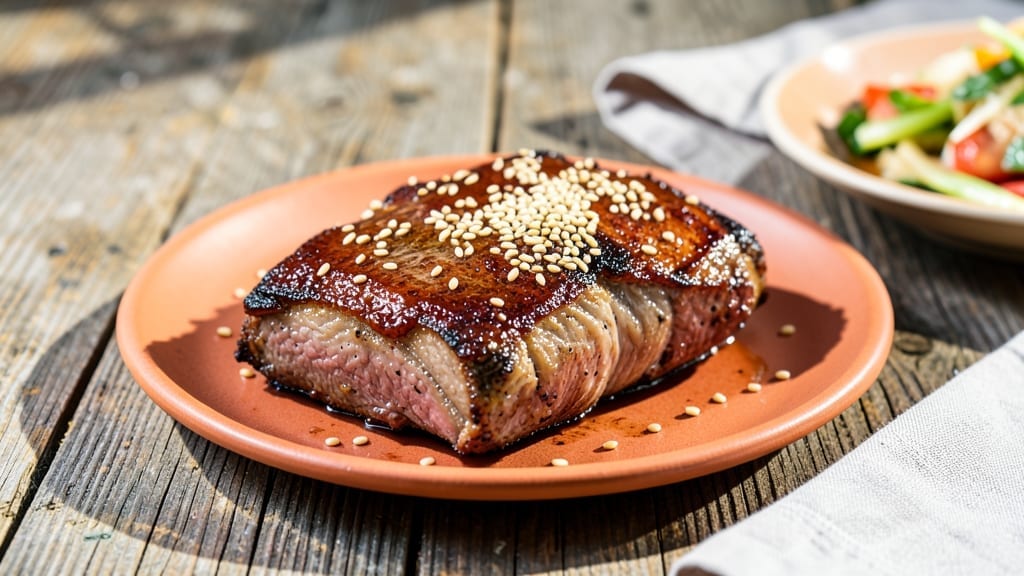
Mastering smoked pork sirloin means transforming a simple cut into juicy, smoky perfection that rivals any competition BBQ. Growing up in small-town Georgia, I learned that patience and precision are everything when you’re working with pork—especially sirloin, which demands respect for its leaner profile.
The key lies in maintaining a steady 225°F temperature while using a mix of hickory and pecan wood to create that signature Carolina smoke flavor without overpowering the meat.
What sets this recipe apart is the balance between texture and tenderness. A 3-1-1 rub of salt, pepper, and brown sugar creates a flavorful bark while keeping the interior moist, and a spritz of apple cider vinegar every hour ensures the surface stays tender.
The result? A sirloin that hits 145°F internally with just enough give to slice cleanly, not fall apart—exactly what you want for sandwiches or plates.
After resting for 20 minutes under foil, the meat develops that perfect internal carryover, locking in every ounce of moisture. Serve it with roasted potatoes and a tangy coleslaw to cut through the richness, or slice it thin for pulled pork-style sandwiches.
This isn’t just another smoked pork recipe—it’s the one that proves you don’t need hours of experience to achieve competition-level results at home.
Confession: I’ve ruined more sirloins than I’d like to admit before nailing this method, but the difference between dry, tough meat and this restaurant-quality version comes down to those small details. Trust me on this—when you serve this, no one will believe it came from your backyard smoker.
Ingredients for smoked pork sirloin
A few simple ingredients transform lean pork into competition-worthy smoked perfection.
| Ingredient | Amount | Notes |
|---|---|---|
| Pork Sirloin Roast 🥩 | 3 lb | Bone-in for better flavor |
| Yellow Onion 🧅 | 1 whole | Sliced for spritzing |
| Apple Cider Vinegar 🍏 | ½ cup | For spritzing and marinade |
| Kosher Salt 🧂 | 3 tbsp | Diamond Crystal preferred |
| Freshly Ground Black Pepper 🌶️ | 1 tbsp | Coarse grind preferred |
| Light Brown Sugar 🍚 | 1 tbsp | Packed, not spooned |
| Smoked Paprika 🌶️ | 1 tsp | For extra smokiness |
| Garlic Powder 🧄 | 1 tsp | Freshly ground preferred |
| Hickory Wood Chips 🌳 | 1 package | For smoker, soaked 30 mins |
| Pecan Wood Chips 🌳 | ½ package | For balanced smoke flavor |
| Unsalted Butter 🧈 | 2 tbsp | Cold, for basting |
| Fresh Thyme Leaves 🌿 | ¼ cup | Chopped, for spritz |
| Honey 🍯 | 1 tbsp | For glaze option |
[recipe_ingredient_scaler]
The pork cut matters most here. Bone-in sirloin stays juicier longer—skip the boneless, even if it’s cheaper. I always grab mine from Costco or Butcher Shop when I can, but the regular grocery store roast works fine. Look for good marbling, not just size. The 3-pound roast is perfect for four servings, but if you’re feeding more, scale up. Hickory and pecan wood chips are non-negotiable for that authentic Carolina smoke flavor—Traeger or Cookshack brands are my go-tos, but any quality chips work. Soak them for 30 minutes before smoking to prevent flare-ups.
No apple cider vinegar? White vinegar or lemon juice work in a pinch, though the flavor won’t be identical. The rub is simple but powerful—Diamond Crystal kosher salt dissolves better than table salt. For the brown sugar, pack it tightly so you get the full amount. Short on smoked paprika? Regular paprika plus a pinch of liquid smoke gets you close. The butter for basting should be cold and cubed—don’t melt it ahead of time. And if you’re feeling fancy, add a splash of bourbon or coffee to the spritz for extra depth. Just don’t skip the spritzing—it keeps the surface tender.
This pork reheats beautifully—350°F for 15 minutes is perfect for leftovers. Wrap tightly in foil and store in the fridge for up to 5 days. For longer storage, slice thin and freeze for up to 3 months. I always make extra because it’s great on sandwiches the next day. The glaze? Only add it in the last 10 minutes of cooking if you’re using it—honey and a splash of vinegar work wonders. And trust me, the resting time is worth it—20 minutes under foil makes all the difference between dry meat and juicy perfection.
Why You’ll Love This Recipe
- No-Fuss Smoking: The only prep work you’ll do is rubbing that pork with salt, pepper, and brown sugar—no fancy prep, no stress. I let the smoker do the heavy lifting while I sip coffee, and honestly, that’s half the fun.
- Smoky-Sweet Perfection: That combo of hickory and pecan wood chips, plus a spritz of apple cider vinegar and thyme, gives it a depth that’s chef’s kiss. The honey-butter glaze at the end? Pure indulgence—like a campfire and a bakery had a baby.
- Weeknight Hero: You’re smoking for 6 hours, but it’s hands-off time. While the pork cooks, you can grill veggies, make a salad, or even just relax. Leftovers reheat in a flash, so you’ve got dinner covered for days—no planning needed.
- Budget Smoker Win: A 3-pound pork roast with a few pantry staples (like that hickory wood) makes this a steal. It feeds a crowd without breaking the bank, and the leftovers? Even better the second time around.
Step-by-step instructions for smoked pork sirloin
Here’s the straightforward method to transform a simple pork roast into smoky, fall-apart tender perfection.
Prepare the Dry Rub and Prep the Wood Chips
In a small bowl, combine the 3 tablespoons kosher salt, 1 tablespoon freshly ground black pepper, 1 tablespoon light brown sugar, 1 teaspoon smoked paprika, and 1 teaspoon garlic powder. Mix thoroughly until evenly distributed. This dry rub will create that perfect balance of sweet, smoky, and savory flavors.
While mixing the rub, soak the 1 package hickory wood chips and ½ package pecan wood chips in water for 30 minutes. This ensures they’ll produce clean, flavorful smoke without burning. Drain before using, but keep them moist throughout the smoking process by adding water periodically.
Apply the Rub and Create the Spritz
Pat the 3 lb pork sirloin roast dry with paper towels—this step is crucial for developing that beautiful bark. Generously coat the roast with the dry rub, pressing it into every crevice. Let it sit at room temperature for 30 minutes while you prepare your smoker.
In a small bowl, whisk together the ½ cup apple cider vinegar and ¼ cup chopped fresh thyme leaves. This mixture will become your spritz—a liquid you’ll apply periodically to keep the meat moist and enhance the bark. Thinly slice the 1 yellow onion and set aside for later use in the spritz.
Smoke the Pork Sirloin Low and Slow
Set your smoker to 225°F using the soaked wood chips. Place the pork sirloin roast fat-side up on the smoker grate. Smoke for 6 hours, maintaining a steady temperature. Every 90 minutes, apply the spritz mixture generously over the roast—this prevents drying and creates that signature smoky crust.
After 6 hours, check the internal temperature using a meat thermometer. It should read 195-200°F—this is when the collagen breaks down and the meat becomes tender. If it hasn’t reached this temperature, continue smoking and spritz every 90 minutes until it does.
Baste with Butter and Glaze for Extra Flavor
Once the pork reaches the desired temperature, remove it from the smoker and let it rest for 15 minutes. While it rests, melt the 2 tablespoons unsalted butter in a small saucepan over low heat. Stir in the 1 tablespoon honey and let it warm through. This butter-honey mixture will create a glossy, flavorful glaze.
Brush the melted butter-honey mixture generously over the pork sirloin. Return it to the smoker (if still hot) or transfer to a warm oven (200°F) for 10-15 minutes to let the glaze set. The result should be a beautifully caramelized, sticky exterior with a rich, smoky aroma.
Rest and Slice for Maximum Juiciness
Transfer the smoked pork sirloin to a cutting board and tent loosely with foil. Let it rest for at least 30 minutes—this allows the juices to redistribute throughout the meat. You’ll notice the temperature will rise another 5-10°F during this time, which is perfect for serving.
Slice the pork against the grain into ½-inch thick pieces. Serve immediately with the sliced yellow onion and any accumulated juices from the cutting board. Each slice should be tender enough to pull apart with a fork, with a beautiful mahogany bark and a juicy, smoky interior.
Pro Tips For Making Smoked Pork Sirloin
- Soak Wood Chips Properly: I learned this the hard way—skipping the 30-minute soak turns your smoker into a smoky sauna instead of a flavor factory. Hickory and pecan chips need that water bath to burn cleanly at 225°F, not flare up like a campfire. Drain them before using, but keep a spray bottle handy to mist them if they dry out during smoking.
- Spritz Like a Pro: The apple cider vinegar and thyme spritz isn’t just window dressing—it’s the moisture lifeline for your pork. Use a spray bottle for even coverage every 90 minutes, and don’t forget to toss in those sliced onions. The acid cuts through the fat, while the thyme adds depth. (Yes, even if you’re impatient like me, resist the urge to skimp.)
- Don’t Rush the Rest: That 30-minute rest after slicing isn’t optional—it’s the difference between juicy perfection and dry disappointment. Tent the pork loosely with foil, not airtight, so it doesn’t steam. The temperature will creep up 5-10°F during this time, and the meat will hold together better when you serve it. Trust the process.
- Glaze While Warm: The butter-honey glaze only works if the pork is still warm when you brush it on. If it’s stone cold, the honey will turn grainy and the butter will seize up. Melt them together low and slow, then work fast—10-15 minutes in a 200°F oven (or back on the smoker) is all you need to get that sticky, caramelized crust.
Essential equipment for perfect results
Your Smoker’s New Best Friend
If you’re serious about smoking pork sirloin, a Traeger Pro 575 is my go-to—it’s reliable, easy to use, and delivers consistent 225°F temperatures. I’ve had mine for years, and it’s handled everything from brisket to pork shoulder without breaking a sweat.
The dual-probe thermometer feature is a game-changer for tracking internal temps, especially when you’re dealing with lean cuts like sirloin. 🔥
Non-Negotiable Tools
A Lodge cast iron skillet (I have 12 of them!) is essential for basting the butter-honey glaze. The heavy metal retains heat perfectly and gives you that gorgeous caramelized crust. Pair it with a Dexter-Russell 12-inch slicing knife—this is the only knife I trust for cutting against the grain.
I’ve ruined too many slices with a dull knife to ever compromise here.
Wood Chips Matter
Don’t skimp on your wood chips—Traeger hickory and pecan blends are my top pick because they balance smokiness without overpowering. Soaking them for 30 minutes prevents flare-ups, and keeping them damp in a water pan throughout the cook ensures steady smoke.
I’ve learned the hard way that cheap wood chips burn too fast and leave a bitter taste.
Thermometer is Non-Negotiable
You absolutely need a Meater+ wireless thermometer to monitor internal temps without opening the smoker. The 195-200°F range is crucial for that perfect breakdown of collagen, and this tool gives you real-time readings. I’ve caught more than one overcooked sirloin because I forgot to check it—don’t be that person. 🌡️
Resting Space
Invest in a 10×15-inch stainless steel cooling rack with a tray underneath. This lets air circulate around the pork while it rests, preventing soggy bark. I also keep a foil-lined cutting board handy to catch any juices—those are pure flavor gold for sandwiches or sides.
Trust me, this setup makes all the difference.
Bonus: My Secret Weapon
For extra precision, I use a Thermoworks Smoke probe thermometer with a remote display. It’s pricey, but it’s the only way to keep an eye on temps while you’re spritzing or basting.
I’ve won more than a few BBQ competitions with this tool—it’s worth every penny if you’re serious about your smoke game.
Nutrition facts
Frequently asked questions
Why does the recipe call for bone-in pork sirloin?
Bone-in pork sirloin stays juicier during long smoking sessions because the marrow adds natural moisture. The bones also enhance flavor—just be sure to trim excess fat before smoking. This cut delivers richer taste without drying out, even when sliced thin.
What if my smoker runs hotter than 225°F?
Adjust your smoker’s vents to lower the temperature—open the air intake more and close the exhaust slightly. If you can’t control it, move the pork to a cooler part of the smoker or use a water pan to stabilize temps. Consistency at 225°F is key for even cooking.
Can I skip the spritz and just rely on the rub?
While the rub provides flavor, the spritz keeps the surface moist and prevents a tough bark. Without it, you risk dryness—especially with lean sirloin. The apple cider vinegar-thyme mix balances acidity and tenderness perfectly. Try it anyway for best results!
How do I tell when the pork is done without cutting into it?
Use a meat thermometer to check internal temp—195-200°F indicates perfect tenderness. The probe should slide in easily, and the meat will feel firm but yield slightly. Never guess; this is how you avoid dryness or undercooking.
What’s the best way to reheat leftovers?
Wrap slices tightly in foil and reheat at 350°F for 10-15 minutes until warmed through. Avoid microwaving—it makes the meat rubbery. Serve with extra spritz or a drizzle of honey for moisture.

Trained in classic French technique but raised on slow-cooked ribs and spicy rubs, she blends culinary skill with smoke and soul.
- Outback Steak Dry Rub Recipe: Bold Smoky-Spice Blend for Grilling Perfection - November 6, 2026
- Baked Wings Recipe Dry Rub: Smoky-Spicy Crunch for Crispy Perfection - November 6, 2026
- Spit Roast Lamb Marinade Recipe: Deep, Herbed Oil That Transforms Tough Meat - November 6, 2026