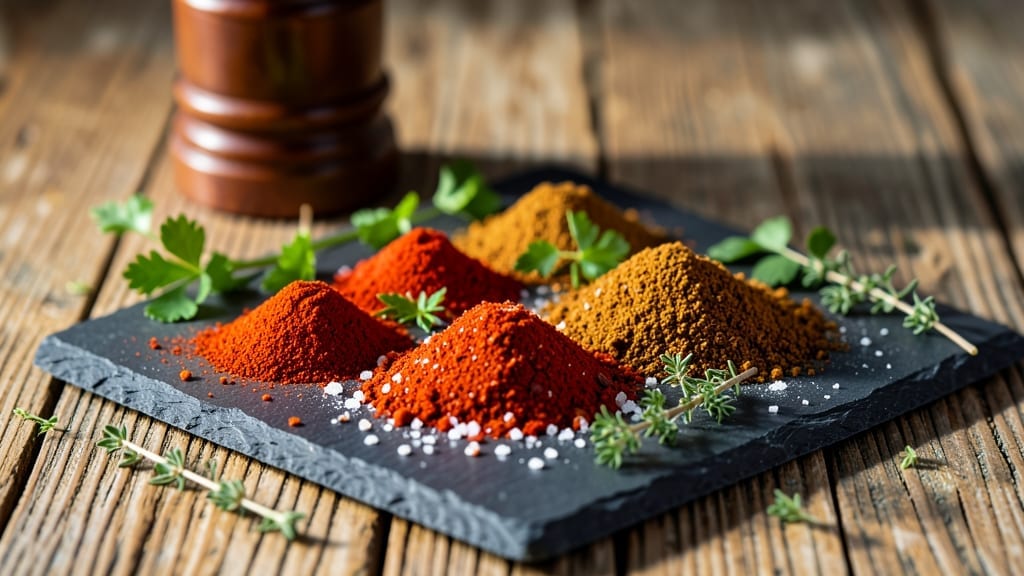
Instead of smoked paprika, you can use a blend of regular paprika and liquid smoke for depth, or swap it with cayenne for heat, chipotle powder for smokiness, or even a mix of cumin and black pepper for warmth. Each alternative offers unique flavor profiles to match your dish’s needs.
When you’re missing smoked paprika, the key is understanding what you’re really craving—whether it’s that deep, smoky aroma or a touch of warmth. 🔥 My go-to is mixing regular paprika with a splash of liquid smoke extract (just a few drops) for that authentic campfire taste without overpowering your dish.
For a spicier kick, chipotle powder delivers both heat and smokiness, while cumin brings earthy depth that works beautifully in chili or braised meats.
What I love about these swaps is how they adapt to different cuisines. For example, cayenne pepper adds pure heat without smoke, making it perfect for quick marinades, while black pepper rounds out flavors in Italian-inspired dishes where smoked paprika might feel too bold.
The trick is to taste as you go—start with half the amount and adjust until you hit that perfect balance.
💡 In This Article
- Understanding Smoked Paprika’s Flavor Profile
- Best Substitutes for Smoked Paprika in Recipes
Understanding smoked paprika’s flavor profile
Smoked paprika gets its signature taste from two key components: the natural sweetness of paprika combined with the smoky compounds created during wood-fired drying.
The smoke comes from burning hardwoods like oak or hickory, which release volatile compounds like guaiacol and syringol—these are the same aromatic molecules found in whiskey and grilled foods. 🔥 What makes smoked paprika unique is how these compounds linger on the palate, creating a warm, slightly sweet aftertaste that’s impossible to replicate with just heat or spice alone.
The earthy base of smoked paprika comes from the capsanthin and capsorubin pigments in red peppers, which give it that rich, reddish-brown color. These compounds also contribute to its slightly sweet profile, balancing the smokiness.
When you compare this to substitutes, you’ll notice chipotle powder (made from smoked jalapeños) has both smoke and heat from capsaicin, while cumin offers earthy warmth without smoke. The key difference is that smoked paprika’s smoke is gentle and aromatic, whereas chipotle’s smoke carries a deeper, almost charred intensity.
Here’s what’s actually happening chemically: The smoke compounds in smoked paprika bind to food proteins during cooking, creating a flavor that’s both savory and slightly sweet. This is why it works so well in dishes like paella or chorizo—it enhances other flavors rather than overpowering them.
Cayenne, on the other hand, delivers pure heat from capsaicin without any smoke, while cumin’s earthy notes come from cuminaldehyde, a compound that’s more about warmth than aroma. 💫
Consider this comparison: Smoked paprika is like the perfect campfire—warm, aromatic, and inviting. Chipotle is more like a bonfire: intense and lingering. Cumin is the steady glow of coals: earthy and comforting. Understanding these differences helps you choose the right substitute.
For example, in a delicate seafood dish, you’d want the subtle smoke of paprika plus liquid smoke, while a hearty beef stew could handle the boldness of chipotle or cumin.
The science behind why these substitutes work differently lies in their chemical structures. Smoked paprika’s smoke compounds are volatile and evaporate quickly, which is why you often need to add them later in cooking.
Chipotle’s smoke is more stable due to its higher fat content from the jalapeños, making it better for long-cooked dishes. Cumin’s earthiness comes from its essential oils, which release slowly during cooking, creating a gradual buildup of flavor.
This is why cumin works so well in slow-cooked braises where flavors have time to meld.
What most people don’t realize is how the smoke in smoked paprika interacts with fat in food. The smoke compounds are fat-soluble, which means they dissolve into fatty ingredients like oil or meat, creating that rich, smoky flavor throughout.
This is why substitutes like liquid smoke need to be used carefully—too much can create an artificial, almost medicinal taste. The key is to start with just a few drops of liquid smoke and taste as you go, because once it’s in your dish, there’s no taking it back! ✨

Trained in classic French technique but raised on slow-cooked ribs and spicy rubs, she blends culinary skill with smoke and soul.
- Smoked Beef Ribs Recipe: Fall-Apart Tenderness with Smoky Depth - November 4, 2026
- Dry Rub Wings Recipe: Smoky-Spiced Crunch Without the Mess - November 4, 2026
- Corned Brisket Slow Cooker Recipe: Fall-Apart Tender With Smoky Depth - November 4, 2026