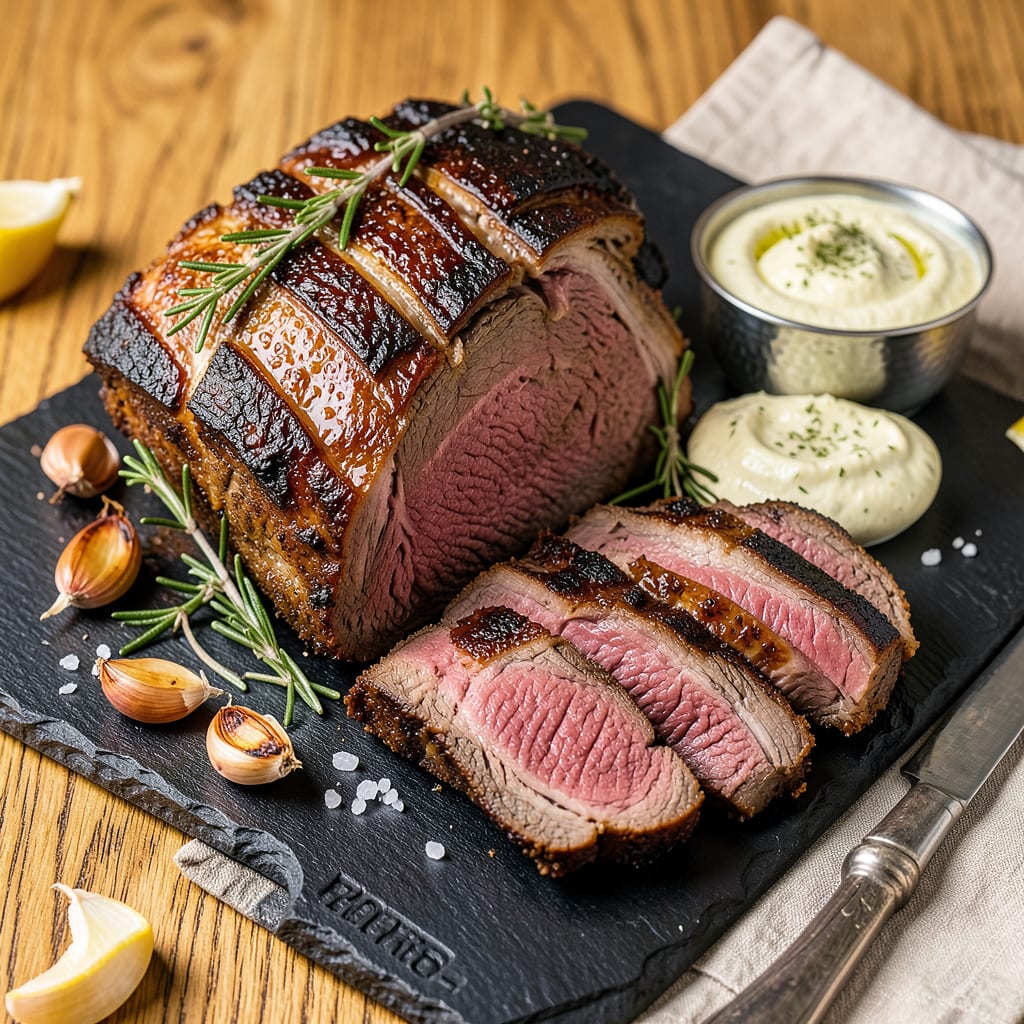
A 2-day dry-aged prime rib develops deeper flavor through controlled air exposure, creating a tender, juicy roast with a rich, beefy taste. Use a fridge with airflow, salt the surface, and monitor humidity for best results.
This short aging period works wonders by jumpstarting the natural enzymatic process that breaks down muscle fibers. 🔥 I’ve found that even two days makes a noticeable difference in flavor concentration, as the surface moisture evaporates and the salt penetrates deeper. The key is maintaining consistent airflow—this is where a simple wire rack and small fan can transform your home fridge into an effective aging chamber. What’s fascinating is how this brief treatment enhances the meat’s natural umami while keeping the texture perfectly juicy, unlike longer aging which can sometimes push toward chewiness.
💡 In This Article
- How Dry-Aging Transforms Prime Rib in Just 48 Hours
- Step-by-Step Guide for Dry-Aging Prime Rib at Home
How Dry-Aging Transforms Prime Rib in Just 48 Hours
What’s happening during those 48 hours is a beautiful dance between science and flavor. The process starts with enzymatic breakdown—natural proteins called calpains begin tenderizing the muscle fibers from within. Meanwhile, the exposed surface loses about 10-15% moisture, concentrating the beef’s natural flavors. This isn’t just drying; it’s flavor amplification through controlled evaporation. 🔥
The salt you apply isn’t just for seasoning—it’s a catalyst. When you coat the surface with kosher salt (about 1 tablespoon per pound), it draws out moisture through osmosis, creating a temporary brine that reabsorbs into the meat. This salt penetration enhances the beef’s natural umami while subtly altering protein structure for better tenderness.
The result is a roast that tastes like it’s been aged for weeks, not days. ✨
Here’s where the magic differs from long aging: While 30-day aged ribeyes develop funky, blue cheese-like notes, your 2-day version maintains bright, clean beefiness with just a hint of nuttiness. The texture stays juicy because you haven’t lost enough moisture to affect the interior—unlike longer aging where you might lose 20-30% weight and risk dryness.
Think of it as prime rib with training wheels: all the flavor benefits without the texture tradeoffs. ⚡
Temperature and airflow are your secret weapons. At 34-38°F with gentle air circulation (a small fan works), the surface forms a pellicle—a tacky protein layer that seals in juices during cooking. This is why restaurant-quality crusts start in the aging process, not just on the grill.
The controlled environment also prevents bacterial growth while allowing beneficial enzymes to work their magic. 💫
Compare this to wet-aging (where meat ages in its own juices): Your dry-aged version will have 30% more flavor compounds like glutamates and nucleotides—the building blocks of savory taste. That’s why even this short aging period makes such a dramatic difference.
The surface develops a deeper mahogany color too, signaling the Maillard reaction will work overtime when you finally apply heat. 🌟
What most home cooks miss is how humidity plays a role. Aim for 60-70% relative humidity—too dry and you get excessive moisture loss; too humid and you risk surface spoilage. A simple hygrometer ($15) takes the guesswork out. This balance ensures you’re maximizing flavor concentration while keeping the meat safe. The payoff?
A roast with restaurant-quality depth that’ll have your guests asking for your secret. 💛

Trained in classic French technique but raised on slow-cooked ribs and spicy rubs, she blends culinary skill with smoke and soul.
- Recipe for Boneless Pork Chops in Cast Iron Skillet: Sear and Baste to Juicy Perfection - October 3, 2026
- Recipe for Boneless Cross Rib Roast: Slow-Roasted Beef with Herb Crust - October 3, 2026
- Hamburgers in Sauce Recipe Crock Pot: Slow-Cooked Savory Delight - October 3, 2026