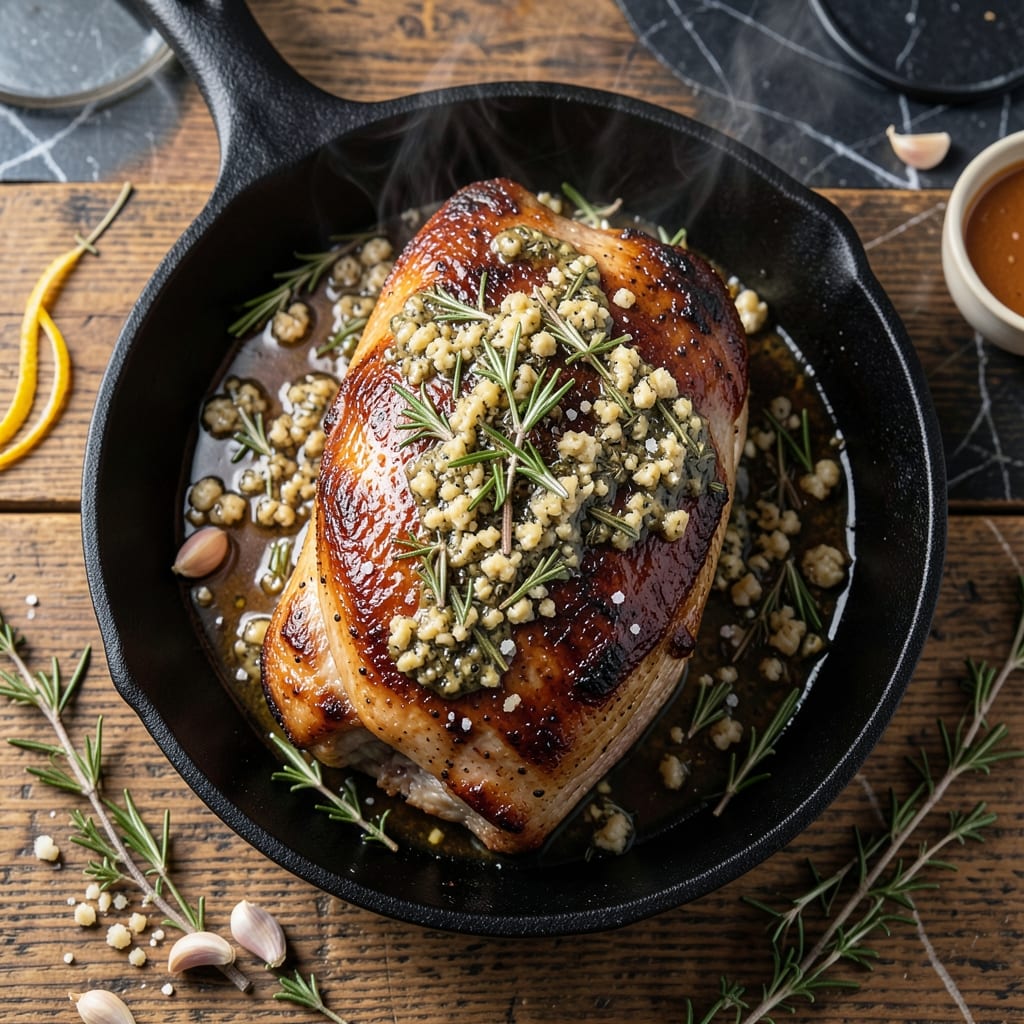
This cross rib roast recipe transforms an affordable cut into a showstopping centerpiece through slow roasting and a fragrant herb crust. I developed this method after years of testing to achieve tender, juicy beef with minimal effort.
The key is patience—low heat allows the connective tissue to break down gradually while the herb crust forms a flavorful seal. This approach guarantees consistent results every time, even for less expensive cuts.
What emerges is beef so fork-tender it nearly falls apart, with a golden crust infused with aromatic herbs. The slow roasting process fills your kitchen with an irresistible aroma that signals dinner is nearly ready.
Perfect for Sunday suppers or special occasions, this dish proves that extraordinary flavor doesn’t require premium cuts. Here’s how to make it right.
Ingredients for Recipe for Boneless Cross Rib Roast
Transform an economical cut into a magnificent meal with these carefully selected ingredients for slow-roasted beef.
| Ingredient | Amount | Notes |
|---|---|---|
| Boneless Cross Rib Roast 🥩 | 3 lb | Well-marbled, trimmed of excess fat |
| Kosher Salt 🧂 | 1 ½ tbsp | Diamond Crystal preferred for texture |
| Freshly Ground Black Pepper 🌶️ | 1 tbsp | Coarse grind for crust |
| Fresh Rosemary 🌿 | 2 tbsp | Finely chopped, stems discarded |
| Fresh Thyme 🍃 | 2 tbsp | Leaves stripped from stems |
| Garlic Cloves 🧄 | 6 cloves | Minced to fine paste |
| Dijon Mustard 🟡 | 2 tbsp | Whole grain preferred for texture |
| Olive Oil 🫒 | ¼ cup | Extra-virgin for herb crust |
| Red Wine 🍷 | ½ cup | Dry variety like Cabernet Sauvignon |
| Beef Stock 🥘 | 1 cup | Low-sodium preferred for seasoning control |
| Unsalted Butter 🧈 | 2 tbsp | Softened for finishing |
| Yellow Onion 🧅 | 1 whole | Large, roughly chopped for base |
| Carrots 🥕 | 3 whole | Peeled and cut into chunks |
| Celery Stalks 🌿 | 3 whole | Cut into 2-inch pieces |
[recipe_ingredient_scaler]
The cross rib roast is the foundation—select a well-marbled piece from a reputable butcher or Whole Foods. Marbling equals flavor and tenderness. For the herbs, fresh rosemary and thyme are non-negotiable; their aromatic oils infuse the crust. If your grocery store’s herb selection looks sad, Trader Joe’s consistently stocks vibrant bundles (worth the extra stop).
Substituting dried herbs? Use one-third the amount and rehydrate in a splash of warm water first. No red wine? Beef stock with a tablespoon of balsamic vinegar adds depth. The Dijon mustard binds the crust—whole grain offers texture, but smooth works too. For the stock, Better Than Bouillon base is a solid backup if you’re out of homemade.
The roast can rest at room temperature for 1 hour before cooking (don’t skip this step). Leftovers keep 4-5 days in the fridge or freeze for 3 months. Reheat gently in beef stock to maintain moisture—microwaving dries it out (trust me on this one).
Why You’ll Love This Recipe
- Set It and Forget It: I rub the roast with salt, pepper, rosemary, and thyme, then let the oven do all the work—no babysitting required.
- Herb-Crusted Heaven: The rosemary and thyme form this insane crust that locks in every juicy, beefy bite.
- Sunday Dinner Hero: It’s my go-to for feeding a crowd or just prepping meals for the week without stress.
- Leftovers for Days: One roast turns into sandwiches, tacos, or stew—honestly, it stretches further than I expected.
Step-by-Step Instructions for Boneless Cross Rib Roast
This method ensures a perfectly tender roast with a flavorful herb crust every time.
Step 1: Prepare the Herb Crust
In a small bowl, combine the 1.5 tbsp Kosher Salt, 1 tbsp Freshly Ground Black Pepper, 2 tbsp Fresh Rosemary, 2 tbsp Fresh Thyme, minced 6 cloves Garlic Cloves, and 2 tbsp Dijon Mustard. Stir in the 0.25 cup Olive Oil to form a thick paste.
This paste will create a robust herb crust that locks in moisture while adding complex flavors. The Dijon mustard provides tang and helps the herbs adhere to the roast. Let the mixture sit for 5 minutes to allow the flavors to meld together.
Step 2: Sear and Coat the Roast
Pat the 3 lb Boneless Cross Rib Roast dry with paper towels to ensure a good sear. Heat a large oven-safe skillet or Dutch oven over medium-high heat. Add the roast and sear on all sides for 2-3 minutes per side until deeply browned.
Remove the roast from the pan and brush the herb paste evenly over all surfaces. The searing step creates a fond that will deepen the flavor of your final sauce. Place the roast in the center of the pan.
Step 3: Add Aromatic Vegetables and Liquid
Surround the roast with the 1 whole Yellow Onion, 3 whole Carrots, and 3 whole Celery Stalks. These vegetables will infuse the cooking liquid with additional flavor and create a base for a simple pan sauce later.
Pour the 0.5 cup Red Wine and 1 cup Beef Stock into the pan, taking care not to wash off the herb crust. The liquid should come about halfway up the roast. Bring to a gentle simmer.
Step 4: Slow-Roast to Perfection
Cover the pan and transfer to a preheated 325°F oven. Slow-roast for 2.5 to 3 hours, turning the roast every 45 minutes to ensure even cooking and basting with the pan juices each time.
The roast is done when the internal temperature reaches 195-200°F and a fork slides in easily. The meat will be fall-apart tender with a rich, caramelized herb crust. The vegetables should be soft and deeply flavored.
Step 5: Rest and Finish with Butter
Transfer the roast to a cutting board, tent loosely with foil, and let rest for 20 minutes. This allows the juices to redistribute for maximum tenderness. Skim excess fat from the pan juices and place over medium heat.
Whisk in the 2 tbsp Unsalted Butter until melted and fully incorporated. Strain the pan sauce if desired and serve alongside the sliced roast. The butter adds a luxurious finish to the sauce, complementing the rich beef and herb flavors.
Pro Tips For Making Recipe For Boneless Cross Rib Roast
- Reverse Sear First: Start in a 250°F oven until the roast hits 110°F internal, then finish with a high-heat sear in a screaming hot pan. I learned this the hard way—slow and low first guarantees even cooking without a dried-out center.
- Dry the Surface: Pat the roast bone-dry with paper towels before seasoning. Sounds weird, but it works: moisture is the enemy of a good crust, and this roast deserves one.
- Skip the Cold Meat: Let the roast sit at room temperature for 1-2 hours before cooking. After burning three batches, I finally figured out that cold meat cooks unevenly—this one simple step actually changes the outcome.
- Crush the Herbs: Rub the rosemary and thyme between your palms before sprinkling to release their oils. My grandmother swore by this, and she was right: it makes a real difference in flavor penetration.
Storing and Reheating recipe for boneless cross rib roast
Refrigerator Storage
Let your roast cool completely before storing—I usually wait about 2 hours. Transfer to an airtight container with some pan juices to maintain moisture. It keeps beautifully for 4-5 days in the fridge. 🌿
Freezer Storage
For longer storage, wrap slices tightly in plastic wrap then aluminum foil, or use freezer bags with all air removed. Your roast will stay delicious for up to 3 months. Label with the date—I always forget otherwise!
Stovetop Reheating
Gently reheat in a skillet with ¼ cup beef stock over low heat for 8-10 minutes. Cover to trap steam. This method preserves tenderness better than any other I’ve tried. 🔥
Oven Reheating
Preheat oven to 300°F. Place meat in a baking dish with ½ cup pan juices or stock, cover with foil, and warm for 15-20 minutes. Check internal temp reaches 165°F before serving.
Cold Serving Idea
Thinly sliced leftovers make incredible sandwiches on crusty bread with Dijon mustard and arugula. Pack for picnics or work lunches—it travels well. I love this for Portland park days with Tom and Lily.
Nutrition Facts
Frequently Asked Questions
What’s the ideal internal temperature for this roast?
Cook until it reaches 195-200°F internally. This ensures the connective tissue breaks down completely for that fall-apart texture.
Can I use a slow cooker instead of the oven?
Yes! Cook on low for 8-10 hours or high for 5-6 hours. Add the vegetables and liquid as directed, but skip the searing step.
How do I prevent the herb crust from burning?
Cover the pan tightly with foil or a lid during roasting. This traps steam and protects the crust while allowing slow, even cooking.
What should I do if the pan juices are too thin?
Simmer the juices uncovered on the stovetop for 5-10 minutes to reduce and thicken. For extra richness, whisk in a cornstarch slurry.

Trained in classic French technique but raised on slow-cooked ribs and spicy rubs, she blends culinary skill with smoke and soul.
- Recipe for Boneless Cross Rib Roast: Slow-Roasted Beef with Herb Crust - October 3, 2026
- Hamburgers in Sauce Recipe Crock Pot: Slow-Cooked Savory Delight - October 3, 2026
- Sanjeev Kapoor Egg Biryani Recipe: Fragrant Spiced Rice With Boiled Eggs - October 3, 2026