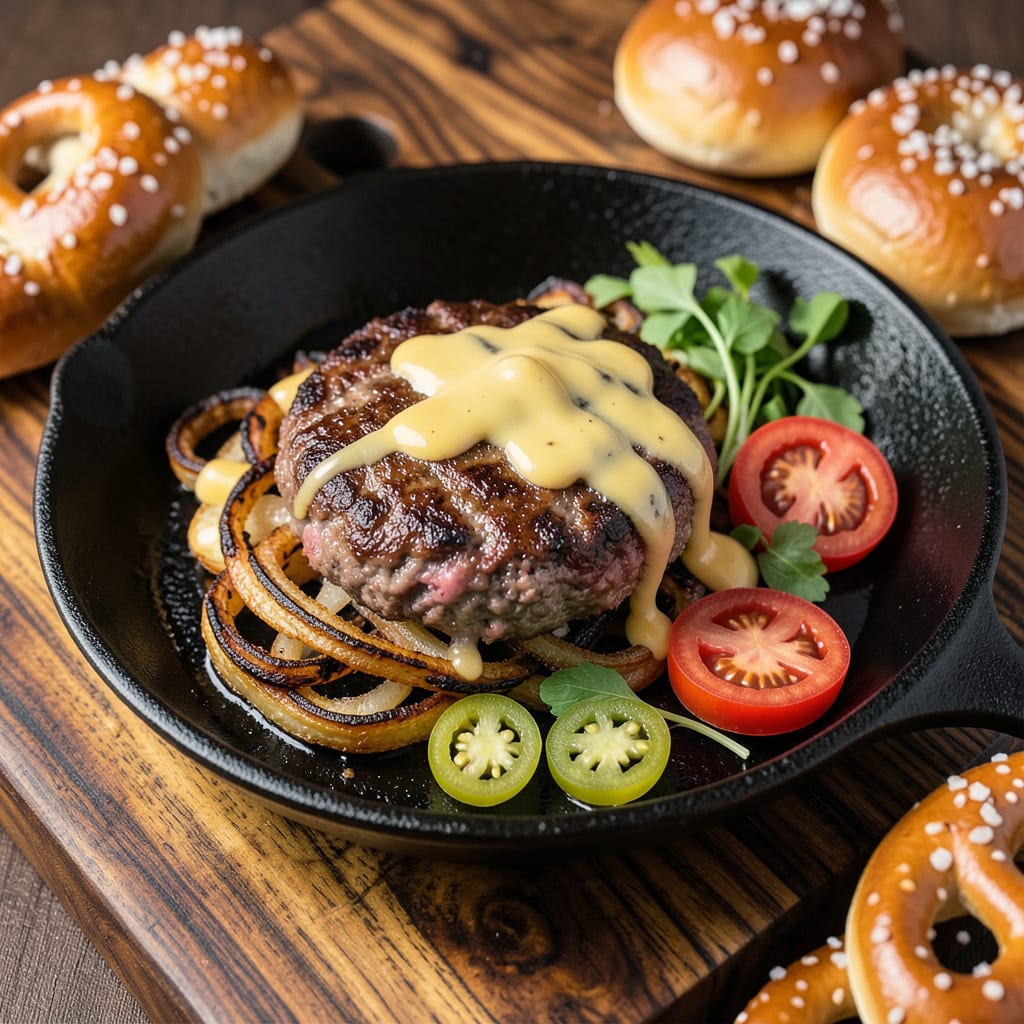
97/3 ground beef contains 97% lean meat and just 3% fat, making it one of the leanest options available. It’s ideal for health-conscious recipes but requires careful cooking to prevent dryness due to its low fat content.
This ultra-lean ratio is my go-to for recipes where fat control matters most. 🔥 I love using it in dishes like stuffed peppers or turkey-burger blends because the minimal fat means flavors stay clean and bright. The tradeoff? You’ll need to compensate for moisture loss—think panade (bread and milk mix) or a splash of broth during cooking. It’s the secret to keeping those lean patties juicy without sacrificing the health benefits.
💡 In This Article
- Why 97/3 Ground Beef Stands Out for Healthy Cooking
- Best Cooking Techniques for 97/3 Ground Beef to Avoid Dryness
Why 97/3 Ground Beef Stands Out for Healthy Cooking
The magic of this ultra-lean ratio lies in its nutritional profile. With only 3% fat content, you’re getting nearly pure protein—about 22-24 grams per 3-ounce serving—while keeping saturated fat to just 1.5 grams in the same portion. That’s less than half the saturated fat of 80/20 ground beef, which packs about 8 grams per serving.
This makes it a powerhouse for heart-healthy diets and anyone watching their cholesterol levels. 💛
What really sets it apart is how it performs in diet-specific meals. For keto followers, the near-zero carb content (less than 1 gram per serving) makes it ideal for bunless burgers or meatza crusts. Heart-healthy eaters benefit from its omega-3 to omega-6 ratio, which is better balanced than in higher-fat blends.
Even athletes love it because the lean protein digests quickly, making it perfect for post-workout meals when paired with complex carbs. ✨
Compare this to 90/10 ground beef, which has three times the fat, or 85/15, which carries nearly five times more. The difference becomes obvious when you cook them side by side: 97/3 releases barely any grease in the pan, while 80/20 can leave behind 2-3 tablespoons of rendered fat per pound.
That’s why I reach for this lean option when making dishes where I want the meat flavor to shine without excess oiliness. 🔥
There’s a practical side too—this ratio gives you more control in recipes. When I’m developing a new meatloaf or stuffed pepper filling, I can add exact amounts of healthy fats (like olive oil or avocado) without guessing how much fat the meat itself will contribute.
It’s also the safest choice for food service settings where fat content needs to be precisely documented for nutritional labels. 🌟
For those managing conditions like diabetes or metabolic syndrome, the stable protein-to-fat ratio helps maintain steady blood sugar levels. A study from the American Journal of Clinical Nutrition found that lean beef like this has minimal impact on insulin response compared to higher-fat cuts.
That’s why dietitians often recommend it for prediabetic meal plans—you get the satisfaction of beef without the metabolic rollercoaster. ⚡
The environmental angle matters too. Producing leaner beef typically requires about 12% less feed per pound compared to fatter cuts, according to USDA data. While not as dramatic as switching to plant-based, it’s a small but meaningful step for eco-conscious cooks who still want their beef.
Plus, the minimal shrinkage during cooking (usually less than 10%) means you’re actually getting more edible meat per pound purchased. 💫
Here’s what most home cooks don’t realize: that 3% fat is just enough to carry flavor without making dishes greasy. When I teach cooking classes, I demonstrate this by browning equal amounts of 97/3 and 80/20 side by side.
The lean version develops a cleaner, more concentrated beefy aroma because there’s no fat to mute the Maillard reaction—the chemical process that creates those delicious browned flavors we love. 🌟

Trained in classic French technique but raised on slow-cooked ribs and spicy rubs, she blends culinary skill with smoke and soul.
- Recipe for Kabsa Rice: Spiced Middle Eastern Feast in One Pot - October 3, 2026
- Hamburger Stir Fry Recipe Healthy: Lean Protein and Veggie-Packed Dinner - October 3, 2026
- Recipe for Curried Lamb Chops: Spice-Rubbed and Pan-Seared to Succulence - October 3, 2026