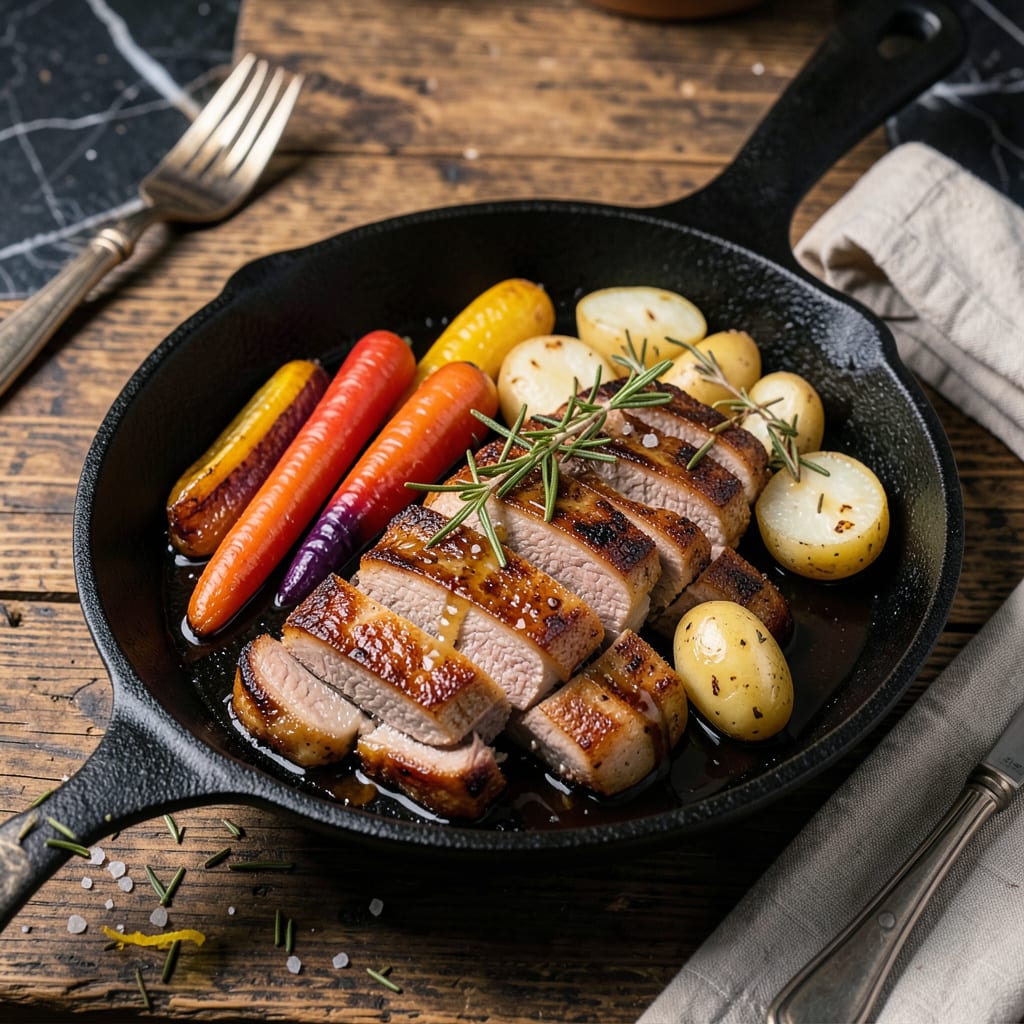
Rustic cooking focuses on simple, hearty dishes made with fresh, seasonal ingredients and traditional techniques. It emphasizes bold flavors, minimal processing, and a homestyle presentation that feels warm and inviting.
This approach to cooking is all about letting ingredients shine without fancy techniques or artificial enhancements. 🔥 I love how it connects us to food traditions where every bite tells a story—whether it’s a slow-simmered stew that’s been passed down through generations or a crusty bread baked in a cast-iron skillet. The beauty lies in its accessibility; you don’t need professional training, just good ingredients and patience. What really sets rustic cooking apart is its ability to transform humble components into deeply satisfying meals that feel like a warm hug on a plate.
💡 In This Article
- Core Principles Behind Rustic Cooking Techniques
- Easy Rustic Recipes for Home Cooks
Core Principles Behind Rustic Cooking Techniques
The magic of rustic cooking lies in its time-honored methods that coax out maximum flavor from minimal ingredients. Slow simmering, for example, breaks down collagen in tough cuts of meat at temperatures between 180-200°F over 2-4 hours, transforming them into fork-tender morsels. This isn’t just about tenderness—it’s about flavor development.
The prolonged heat causes Maillard reactions between amino acids and sugars, creating complex, savory notes that instant cooking methods simply can’t achieve. 🔥
Wood-fired cooking adds another dimension through smoke infusion and radiant heat. When you cook over hardwood like oak or fruitwood, the smoke contains compounds like guaiacol and syringol that penetrate food surfaces. These create that unmistakable smoky aroma while the uneven heat distribution forms crispy crusts.
I’ve found that maintaining temperatures around 275-325°F gives the perfect balance—hot enough for caramelization but low enough to prevent burning the delicate smoke flavors.
Working with whole ingredients means preserving their natural structure and nutrients. Take heirloom beans, for instance—their thick skins require long, gentle cooking but reward you with creamy interiors and broth that thickens naturally from released starches.
The same principle applies to root vegetables: roasting them whole at 400°F for 45-60 minutes concentrates their sugars and creates textural contrast between caramelized exteriors and moist centers. ✨
These techniques trace back to peasant cuisine, where every scrap was utilized. What we now call “rustic” was originally necessity-driven cooking. Regional adaptations developed based on available resources—think Italian ribollita using stale bread, or French pot-au-feu making broth from beef bones. The common thread?
Transforming humble ingredients through patient, thoughtful preparation rather than expensive cuts or complex techniques.
The science behind these methods explains why they create such satisfying meals. Slow cooking allows flavors to meld through osmosis and emulsification, while wood firing adds over 200 aromatic compounds. Whole ingredients retain their cellular structure longer, releasing flavors gradually rather than all at once.
This is why a rustic beef stew tastes richer after sitting overnight—the collagen continues to break down, and flavors redistribute throughout the liquid. 💫
What makes these principles so powerful is their universality. Whether you’re working with a Dutch oven over a campfire or a modern slow cooker, the same fundamentals apply. The key is understanding how time, heat, and ingredient integrity work together.
I’ve seen this firsthand when adapting recipes—what matters most isn’t the specific tool, but honoring the process that lets natural flavors shine.
Consider how these techniques create sensory experiences that fancy cooking often misses.
The sound of a wooden spoon stirring a simmering pot, the aroma of bread baking in a cast-iron skillet, the sight of golden-brown crust forming on a whole roasted chicken—these aren’t just cooking steps, they’re part of what makes rustic meals so deeply satisfying.
The connection to our primal cooking instincts is what gives rustic dishes their soul. ⚡

Trained in classic French technique but raised on slow-cooked ribs and spicy rubs, she blends culinary skill with smoke and soul.
- Octopus Recipe Pan Fried: Crispy Edges With Tender Bites - October 3, 2026
- Recipe For Fried Pork Chops In An Iron Skillet: Crispy Crust With Juicy Centers - October 3, 2026
- Recipe for Fully Cooked Spiral Ham: Sweet Glaze and Effortless Elegance - October 3, 2026