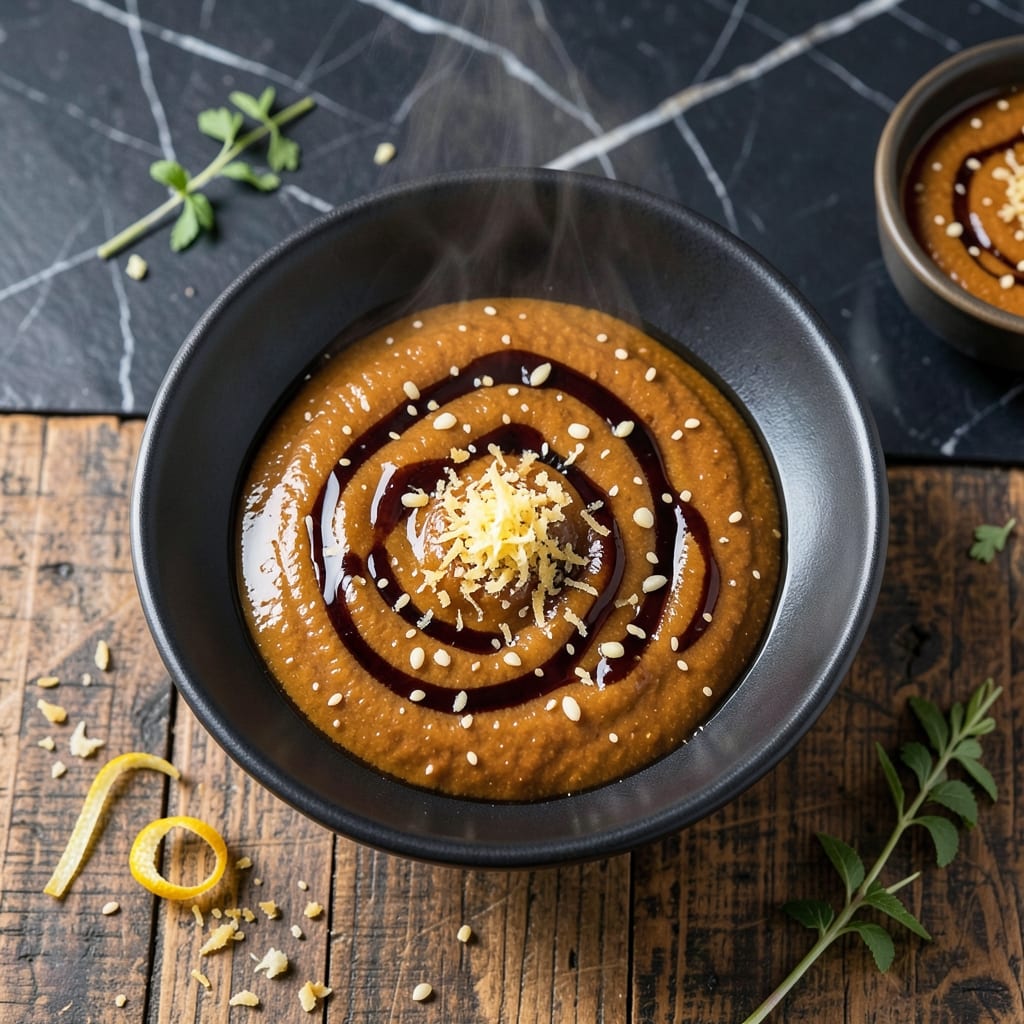
This ginger-soy infusion transforms fresh ahi tuna into a restaurant-quality experience with minimal effort. The balance of savory, tangy, and slightly sweet notes enhances without overpowering.
I developed this sauce to complement the delicate flavor of raw tuna while adding depth through fresh ginger and a touch of sesame. It takes 5 minutes to whisk together.
The result is a smooth, vibrant dipping sauce that clings perfectly to each bite. Its clean finish lets the tuna shine while adding just enough complexity.
Use it for poke bowls, sashimi platters, or as a marinade base. This versatile sauce elevates any seafood dish.
Ingredients for Ahi Tuna Dipping Sauce
Nine ingredients whisk together for a bright, restaurant-worthy dipping sauce.
| Ingredient | Amount | Notes |
|---|---|---|
| Soy Sauce 🥢 | ⅓ cup | Low-sodium recommended for balance |
| Rice Vinegar 🍶 | 3 tbsp | Unseasoned variety preferred |
| Fresh Ginger 🌿 | 1 tbsp | Finely grated, peeled first |
| Honey 🍯 | 1 ½ tbsp | Local or raw for depth |
| Toasted Sesame Oil 🫒 | 1 tsp | Pure for authentic flavor |
| Garlic Clove 🧄 | 1 clove | Minced finely |
| Green Onions 🧅 | 2 tbsp | Thinly sliced, green part only |
| Lime Juice 🍋 | 1 tbsp | Freshly squeezed |
| Red Pepper Flakes 🌶️ | ¼ tsp | Adjust to heat preference |
[recipe_ingredient_scaler]
The ginger is non-negotiable here. Fresh only—that powdered stuff won’t cut it. Look for firm, smooth roots at Whole Foods or your local Asian market (they usually have better prices). The soy sauce matters too—Kikkoman or San-J tamari for gluten-free. I always keep a bottle of toasted sesame oil in the pantry, and Kadoya is my go-to brand (worth the extra buck).
No honey? Agave or maple syrup works in a pinch. Fresh ginger out of stock? Ginger paste in a tube is your backup (use half the amount). The rice vinegar can be swapped for apple cider in a bind, but the flavor shifts slightly. For extra umami, a dash of fish sauce (like Red Boat) deepens the savory notes without overpowering.
This keeps beautifully in a jar for up to 1 week in the fridge. The flavors actually improve overnight. Freeze portions for up to 3 months if you’re meal prepping (just thaw before using). Always give it a good stir before serving—the ginger settles.
Why You’ll Love This Recipe
- 5-Minute Mix: I just whisk the soy sauce, rice vinegar, ginger, honey, and sesame oil together—no cooking, no fuss.
- Umami Bomb: The ginger and sesame oil give it that deep, savory kick that makes ahi tuna sing.
- Dinner Party Hero: I drizzle this over seared tuna for guests, and they always ask for the recipe.
- Fridge Staple: Honestly, it keeps for a week, so I make a double batch for quick meals.
Step-by-Step Instructions for Ahi Tuna Dipping Sauce
This comes together in minutes with bold flavors that balance sweet, tangy, and umami perfectly.
Step 1: Grate Ginger and Mince Garlic
Peel the fresh ginger and finely grate it using a microplane or small holes of a box grater. You should end up with exactly 1 tablespoon of packed grated ginger. This fine texture ensures it distributes evenly throughout the sauce without any fibrous bits.
Next, mince the garlic clove until it’s almost paste-like. The finer the mince, the more its flavor will infuse into the sauce. I like to sprinkle a pinch of salt on the cutting board while mincing to help break down the garlic and prevent it from sticking to the knife.
Step 2: Whisk Wet Ingredients Until Smooth
In a medium bowl, combine 0.33 cup soy sauce, 3 tbsp rice vinegar, and 1.5 tbsp honey. Whisk vigorously for 30 seconds until the honey fully dissolves into the liquid. The mixture should look uniform with no honey streaks remaining.
Add the grated ginger, minced garlic, and 1 tsp toasted sesame oil to the bowl. Whisk again for 20 seconds to thoroughly combine. The sauce will start to take on a beautiful amber color and you’ll notice the aromatics immediately brightening the mixture.
Step 3: Incorporate Fresh Elements
Stir in the 1 tbsp lime juice and 0.25 tsp red pepper flakes. The lime juice adds a crucial citrus brightness that cuts through the richness, while the red pepper flakes introduce a subtle heat that builds with each bite. Taste at this point—you should detect all five flavors: sweet, salty, sour, umami, and spicy.
Let the sauce sit for 5 minutes to allow the flavors to meld. This brief rest gives the ginger and garlic time to infuse more deeply while the honey continues to dissolve any remaining grains. You’ll notice the sauce takes on a more complex character after this short wait.
Step 4: Finish with Green Onions and Final Adjustments
Add the 2 tbsp green onions and stir gently to combine. The green onions add a fresh, crisp finish that contrasts beautifully with the deep, developed flavors in the sauce. Reserve a small pinch for garnish if desired.
Give it one final taste and adjust the seasoning if needed. If you prefer more heat, you can add an additional pinch of red pepper flakes, but remember the heat will intensify as the sauce sits. The consistency should be smooth and pourable—thin enough to drizzle but thick enough to cling to your ahi tuna.
Transfer to a serving bowl or small dipping dishes. The sauce can be used immediately but will develop even more depth if allowed to sit at room temperature for 15-20 minutes before serving.
Pro Tips For Making Ahi Tuna Dipping Sauce
- Grate Ginger Fine: Use a microplane for the ginger—it releases more juice and blends smoothly into the sauce. I learned this the hard way after biting into fibrous ginger chunks in my first few batches.
- Bloom the Oil: Warm the toasted sesame oil for 10 seconds in the microwave before mixing—it wakes up the nutty flavor. Sounds weird, but it works.
- Skip the Cheap Soy: Use low-sodium soy sauce or you’ll end up with a dipping sauce that’s aggressively salty. I skip the cheap stuff now after ruining a batch with generic soy.
- Whisk the Honey: Warm the honey for 15 seconds in the microwave so it blends evenly instead of sinking to the bottom. My grandmother swore by this, and she was right.
Pro Cooking Tips for Perfect Results
Ginger Prep Pro Tip
Use a microplane grater for the 1 tbsp fresh ginger—it extracts maximum juice and flavor with zero fibrous strings. I freeze my ginger root first, which makes grating effortless and prevents waste. Always peel before grating for a smooth texture. 💡
Emulsification Trick
When whisking the soy sauce, rice vinegar, and honey, add the honey last and whisk vigorously for 30 seconds. This creates a stable emulsion that prevents separation. A small wire whisk works better than a fork for this.
Blooming Aromatics
After adding the grated ginger and minced garlic, let the mixture sit for 2-3 minutes before proceeding. This “blooming” step intensifies their flavors significantly. I learned this from a sushi chef—it makes a noticeable difference.
Heat Control
Start with ¼ tsp red pepper flakes for subtle heat. The spice level will increase as the sauce sits, so taste after 10 minutes before adding more. For a smoky depth, swap in ½ tsp gochugaru (Korean chili flakes).
Consistency Check
If your sauce thickens too much in the fridge, thin it with 1-2 tsp warm water before serving. For a glossier finish, add ½ tsp corn syrup—it enhances the sheen without adding sweetness. 🌟
Resting Time
While you can use this immediately, allowing it to rest for 15-20 minutes at room temperature lets the flavors meld beautifully. I always make it first when prepping a sashimi platter.
Nutrition Facts
Frequently Asked Questions
Can I make this ahead of time?
The flavors actually improve after 24 hours in the fridge. Store in an airtight container for up to 1 week. Stir well before serving.
What if I don’t have rice vinegar?
Apple cider vinegar works as a substitute, though the flavor will be slightly sharper. Use the same 3 tbsp measurement. Avoid white vinegar—it’s too harsh for this delicate sauce.
How do I adjust the spice level?
Start with ¼ tsp red pepper flakes, then add more gradually. The heat builds over time, so taste after 10 minutes. For smoky heat, try ½ tsp gochugaru instead.
Can I use powdered ginger?
Fresh ginger is strongly recommended for best flavor. If you must use powdered, use only ½ tsp and mix it with 1 tsp water first to distribute evenly. The taste won’t be as vibrant.

Trained in classic French technique but raised on slow-cooked ribs and spicy rubs, she blends culinary skill with smoke and soul.
- Recipe for Boneless Pork Chops in Cast Iron Skillet: Sear and Baste to Juicy Perfection - October 3, 2026
- Recipe for Boneless Cross Rib Roast: Slow-Roasted Beef with Herb Crust - October 3, 2026
- Hamburgers in Sauce Recipe Crock Pot: Slow-Cooked Savory Delight - October 3, 2026