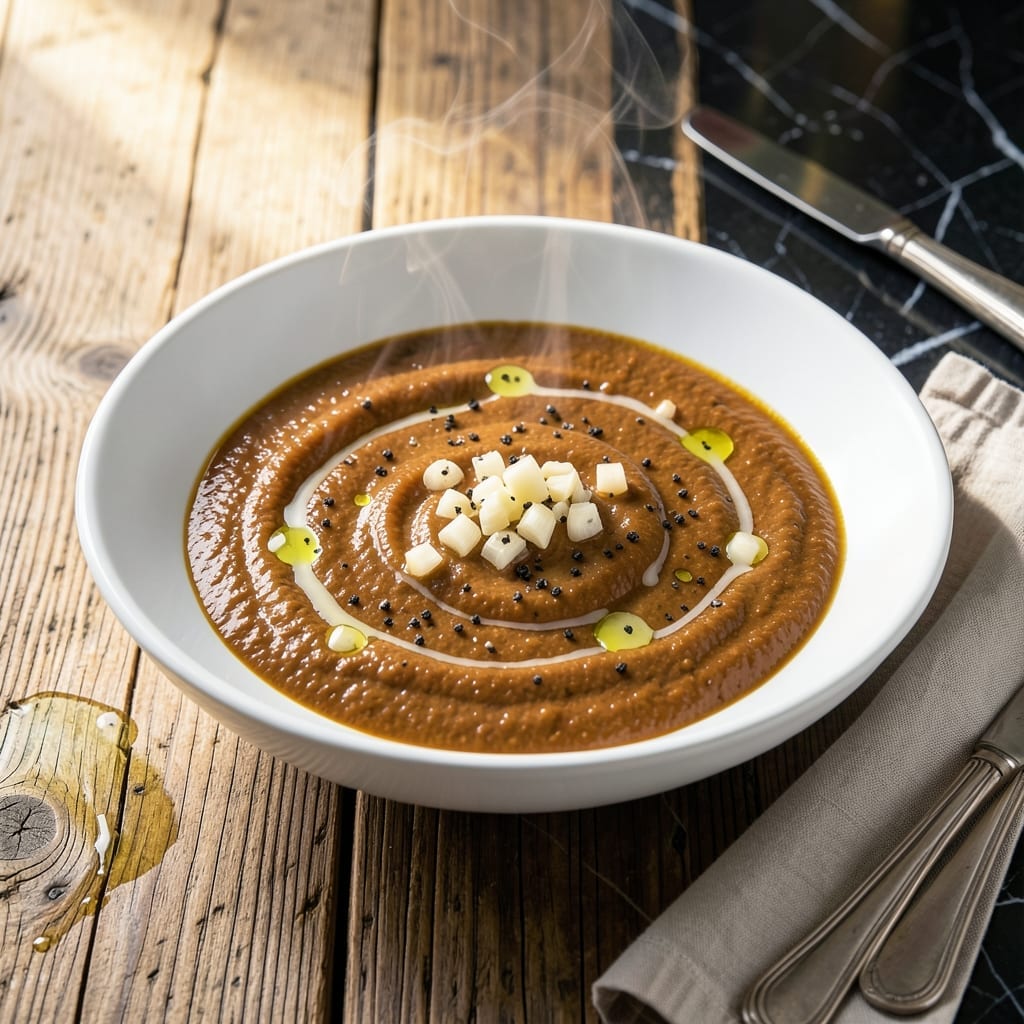
This Spanish seafood sauce transforms simple dishes into gourmet creations. A rich, velvety base with deep umami flavors elevates any protein.
Mastering this foolproof technique brings restaurant-quality results to your kitchen with minimal effort.
Ingredients for Albufera Sauce
These refined ingredients create a velvety Spanish seafood sauce with deep, complex flavors.
| Ingredient | Amount | Notes |
|---|---|---|
| Olive Oil 🫒 | ¼ cup | Extra-virgin for depth |
| All-Purpose Flour 🌾 | 2 tbsp | For thickening the base |
| Seafood Stock 💧 | 2 cups | High-quality for umami |
| Dry White Wine 🍷 | ½ cup | Crisp variety preferred |
| Shallots 🧅 | 2 whole | Finely minced for sweetness |
| Garlic Cloves 🧄 | 3 cloves | Minced to paste consistency |
| Tomato Paste 🍅 | 2 tbsp | For concentrated richness |
| Smoked Paprika 🌶️ | 1 tsp | Spanish variety ideal |
| Saffron Threads 🌼 | ¼ tsp | Steeped in warm stock |
| Heavy Cream 🥛 | ½ cup | Full-fat for velvety texture |
| Unsalted Butter 🧈 | 2 tbsp | For finishing gloss |
| Lemon Juice 🍋 | 1 tbsp | Freshly squeezed for brightness |
| Salt 🧂 | ½ tsp | Sea salt preferred |
| Black Pepper 🌶️ | ¼ tsp | Freshly ground for aroma |
[recipe_ingredient_scaler]
The seafood stock is non-negotiable here—look for brands like More Than Gourmet or Better Than Bouillon at Whole Foods or specialty markets (the fish stock, not clam). Saffron is the signature, so spring for Spanish coupe grade from La Tienda. Shallots add a delicate sweetness that onion can’t replicate. The smoked paprika should be pimentón de la Vera if you can find it.
No white wine? Dry vermouth works in a pinch, or extra stock plus lemon juice. Shallots can be swapped for sweet onion at half the volume. For a lighter version, half-and-half replaces the cream (texture won’t be as lush). Saffron is pricey—turmeric for color (just a pinch) if absolutely necessary, but the flavor won’t be the same.
This sauce keeps 3 days in the fridge—reheat gently to avoid separation. Freezes beautifully for 2 months in airtight containers. The flavors deepen overnight, so make it ahead if possible (worth the extra minute).
Why You’ll Love This Recipe
- One Pan Simplicity: I love that it starts with just olive oil, flour, and a whisk—no fancy gadgets, just a saucepan and five minutes of stirring.
- Rich Seafood Depth: The white wine and shallots bloom into this velvety base, and the seafood stock? Honestly, it tastes like a fancy restaurant reduction.
- Dinner Party Hero: I’ve drizzled this over grilled fish, tossed it with pasta, even served it in tiny cups as an appetizer dip.
- Budget Luxury: A handful of pantry staples turns into a sauce that feels indulgent, and it keeps beautifully in the fridge for three days.
Step-by-Step Instructions for Albufera Sauce
Master this refined Spanish sauce with precise technique and layered flavors.
Step 1: Infuse the Base and Sauté Aromatics
Warm the 0.25 cup olive oil in a heavy saucepan over medium heat until it shimmers. Add the 2 whole shallots, finely minced, and cook for 3-4 minutes until translucent and just beginning to caramelize at the edges.
Stir in the 3 cloves garlic cloves, minced to a paste, and cook for 30 seconds until fragrant but not browned. Immediately add the 1 tsp smoked paprika and 2 tbsp tomato paste, stirring constantly for 1 minute to deepen the flavors. This builds the aromatic foundation.
Add the 2 tbsp all-purpose flour and cook for 1-2 minutes, stirring continuously to form a light roux. The mixture should turn a pale golden color and smell nutty—this thickens the sauce without creating lumps.
Step 2: Deglaze and Build Depth
Slowly pour in the 0.5 cup dry white wine, whisking constantly to incorporate the roux. The mixture will thicken initially, then loosen as the wine deglazes the pan. Let it simmer for 2-3 minutes until reduced by half.
Add the 2 cups seafood stock and the 0.25 tsp saffron threads (steeped in 2 tablespoons of warm stock first to release color). Bring to a gentle simmer and cook for 8-10 minutes, stirring occasionally, until the liquid reduces by about one-third.
The sauce should coat the back of a spoon with a velvety sheen. The saffron will lend its distinctive golden hue and subtle floral aroma at this stage.
Step 3: Finish with Cream and Butter
Reduce heat to low and stir in the 0.5 cup heavy cream. Simmer for 3-4 minutes until the sauce thickens slightly and takes on a rich, satiny texture. Avoid boiling, as this can cause the cream to separate.
Remove the pan from heat and whisk in the 2 tbsp unsalted butter, 1 tbsp lemon juice, 0.5 tsp salt, and 0.25 tsp black pepper. The butter adds a luxurious gloss, while the lemon juice brightens the deep umami flavors.
Taste and adjust seasoning if needed, though the seafood stock likely provides ample saltiness. The sauce should be smooth, deeply flavorful, and just thick enough to cling to seafood or pasta.
Step 4: Strain and Serve
For a silky-smooth texture, strain the sauce through a fine-mesh sieve into a clean saucepan. This removes the shallots and any potential lumps, ensuring a refined consistency.
Reheat gently over low heat if necessary, stirring constantly. The sauce is now ready to serve over grilled fish, seafood rice dishes, or as a luxurious accompaniment to shellfish.
Use immediately for the best flavor and texture, as the sauce will thicken further as it cools. If preparing ahead, reheat slowly with a splash of stock to restore the desired consistency.
Pro Tips For Making Albufera Sauce
- Whisk Constantly: After adding the flour to the olive oil, keep whisking for a full 2-3 minutes over medium heat—this is how you get that smooth, lump-free base for your sauce.
- Deglaze with Wine: Pour the white wine in while the shallots are still warm to lift all the flavorful bits from the pan; I learned this the hard way after making bland sauce for years.
- Simmer, Don’t Boil: Once the stock goes in, keep it at a gentle simmer—boiling makes the sauce break and turn greasy, and nobody wants that.
- Use Fresh Stock: Sounds obvious, but store-bought seafood stock just doesn’t cut it; a quick homemade version with shrimp shells and aromatics actually changes the outcome.
Serving Suggestions for This albufera sauce
Seafood Pairings
This sauce was made for seafood. I love it with grilled halibut or sea bass—the rich sauce complements their delicate flavors. For shellfish, try it with seared scallops or grilled shrimp skewers. 💛
Rice and Pasta
Arborio rice soaks up this sauce beautifully in a seafood risotto. Toss it with linguine or fettuccine and add mussels or clams for an Italian-Spanish fusion dish. The sauce clings perfectly to each strand.
Vegetable Sides
Steamed asparagus or green beans make elegant pairings. I also love roasted cauliflower or zucchini to balance the richness. Serve with a squeeze of lemon to brighten the flavors.
Bread Accompaniments
Crusty baguette slices are perfect for soaking up every drop. For a Spanish touch, serve with pan con tomate or grilled ciabatta. The sauce also makes a decadent dip for artisan bread.
Garnishing Tips
Finish with fresh parsley or chives for color and freshness. A sprinkle of smoked paprika or saffron threads adds visual appeal. I always add a final drizzle of olive oil for extra shine. ✨
Serving Temperature
Serve this sauce warm, not piping hot. The flavors shine best at 140-160°F. If it thickens too much while sitting, thin with a splash of warm seafood stock to restore its velvety consistency.
Nutrition Facts
Frequently Asked Questions
Can I make this without saffron?
Yes, though it won’t have the same signature flavor. Use 1/4 tsp turmeric for color and a pinch of cardamom for depth. The flavor won’t be identical, but it’ll still taste rich and complex.
How do I fix a broken or separated sauce?
Whisk in 1-2 tbsp cold water or stock slowly over low heat until smooth. If it’s too thin, simmer for 2-3 minutes to thicken. Avoid high heat, which can cause further separation.
What’s the best way to store leftovers?
Transfer to an airtight container and refrigerate for up to 3 days. For longer storage, freeze for 2 months. Reheat gently, stirring often to prevent separation.
Can I use this sauce for non-seafood dishes?
Try it over grilled chicken or roasted vegetables. The umami depth pairs well with mushrooms or creamy polenta too.

Trained in classic French technique but raised on slow-cooked ribs and spicy rubs, she blends culinary skill with smoke and soul.
- Recipe for Boneless Pork Chops in Cast Iron Skillet: Sear and Baste to Juicy Perfection - October 3, 2026
- Recipe for Boneless Cross Rib Roast: Slow-Roasted Beef with Herb Crust - October 3, 2026
- Hamburgers in Sauce Recipe Crock Pot: Slow-Cooked Savory Delight - October 3, 2026