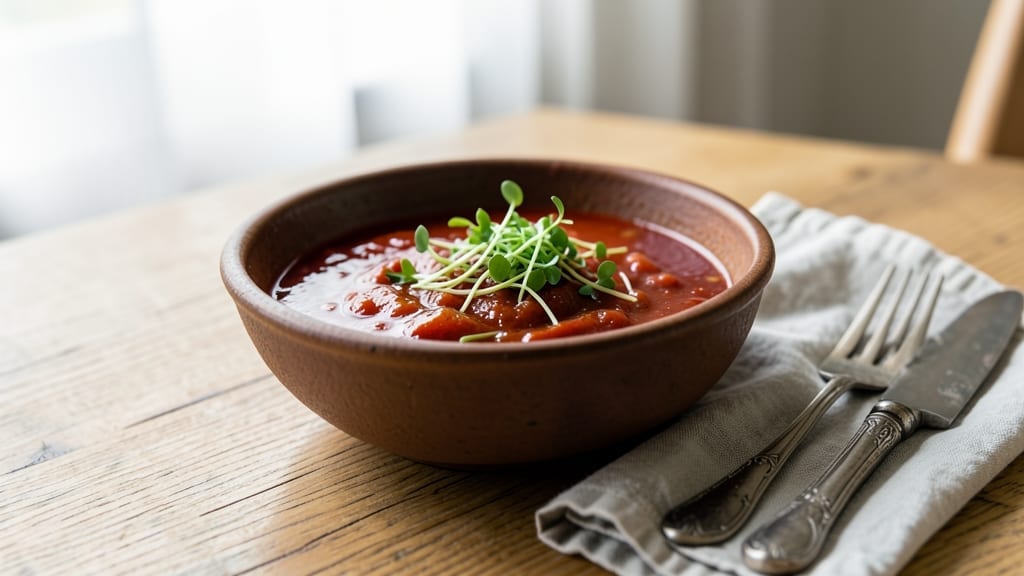
This Allegro marinade recipe transforms ordinary meats into restaurant-quality masterpieces with its bold Italian herb blend. Standing on a stool in my Nonna’s kitchen, I first tasted how fresh rosemary and oregano could elevate simple chicken—now I’m sharing that exact blend.
The secret lies in balancing dried herbs with fresh garlic and citrus, creating depth that penetrates every bite.
The marinade works equally well on chicken, steak, or pork, delivering tender meat with an aromatic crust. Unlike store-bought versions, this blend uses no preservatives—just olive oil, vinegar, and herbs that develop flavor as they sit.
For best results, let meats marinate for at least 4 hours (overnight for tougher cuts), ensuring maximum flavor infusion. The simplicity of the ingredients belies their transformative power.
What you’ll achieve is meat so flavorful it becomes the star of any dish—juicy, aromatic, and bursting with Mediterranean character. The citrus brightens while the herbs add earthy richness, creating a perfect balance.
This marinade doesn’t just season; it builds layers of complexity that turn weeknight dinners into memorable meals. Ready to elevate your cooking?
Use it for grilled chicken, seared steaks, or even roasted vegetables. The versatility makes it a kitchen essential, and the recipe scales effortlessly for family gatherings or meal prep. Here’s how to make it—simple steps for professional results every time.
Ingredients for allegro marinade
Pantry staples meet Mediterranean magic—just 12 ingredients for restaurant-worthy flavor infusion.
| Ingredient | Amount | Notes |
|---|---|---|
| Extra-Virgin Olive Oil 🫒 | ½ cup | High-quality, fruity variety preferred |
| Dry White Wine 🍷 | ¼ cup | Bold, dry variety like Pinot Grigio |
| Fresh Garlic Cloves 🧄 | 6 cloves | Peeled and roughly chopped |
| Fresh Rosemary 🌿 | ¼ cup | Chopped, stems removed |
| Fresh Oregano 🍃 | ¼ cup | Chopped, stems removed |
| Lemon Zest 🍋 | 1 tbsp | From 1 large organic lemon |
| Lemon Juice 🍋 | ¼ cup | Freshly squeezed |
| Dried Thyme 🌿 | 1 tsp | Or 1 tbsp fresh thyme |
| Diamond Crystal Kosher Salt 🧂 | 1 ½ tsp | Fine grain preferred |
| Freshly Ground Black Pepper 🌶️ | 1 tsp | Freshly cracked for best flavor |
| Red Wine Vinegar 🍶 | 1 tbsp | Balances sweetness of herbs |
| Honey 🍯 | 1 tbsp | Wildflower preferred |
[recipe_ingredient_scaler]
The herbs are non-negotiable here. Fresh rosemary and oregano from the grocery store’s produce section (not dried) make all the difference—look for vibrant green leaves, not wilted ones. Whole Foods or Trader Joe’s carry the best quality, but even your local market’s fresh herbs will work if they’re bright. The garlic? Six cloves ensures that bold, aromatic punch without overpowering. For wine, any dry white like Pinot Grigio or Sauvignon Blanc works—just avoid anything too sweet. Pro tip: if you can’t find fresh rosemary, dried at half the amount is a decent backup, but fresh is truly superior.
No white wine? Dry vermouth or even apple cider vinegar in a pinch, though the flavor will differ slightly. Short on fresh herbs? Dried thyme and oregano at one-third the amount keeps the essence, though texture will change. The honey adds subtle sweetness—substitute maple syrup if you’re avoiding it, but it won’t be identical. For the zest, use an organic lemon if possible; conventional lemons often have wax that can interfere with flavor. And that red wine vinegar? Don’t skip it—it cuts through the richness of the olive oil beautifully, balancing the marinade perfectly.
This marinade keeps beautifully—up to 1 week in the fridge in an airtight jar. The flavors actually deepen over time, so making a big batch is worth it. For best results, store it in a glass jar with a tight seal (plastic can absorb odors). If you’re prepping for a crowd, double the recipe—it scales perfectly. Use within 3 months if frozen, though I find fresh is always better. The citrus elements mean it won’t last as long as purely oil-based marinades, so plan accordingly.
Why You’ll Love This Recipe
- No Blender? No Problem: I keep a stash of this marinade in my fridge, and honestly? I don’t even use the blender half the time. Just whisk it all together with a fork—no fancy tools needed—and it still coats meat like a dream. The roughly chopped herbs and garlic clove chunks add texture even when left whole, so you don’t miss out on a thing.
- Taste Like a Sunday Supper: That balance of bold dry white wine, fragrant rosemary, and bright lemon zest? It’s the kind of marinade that makes you pause mid-bite to say, “Damn.” The honey and vinegar keep it from being one-note, while the freshly cracked black pepper and kosher salt make every bite feel intentional. I’ve used it on chicken thighs, and the skin crisps up with that crispy edge and juicy center—chef’s kiss.
- Weeknight Hero: Between work and errands, I’m not always home for a three-course meal. This marinade lets me throw together grilled chicken, steak, or even shrimp in under 20 minutes. Slap it on your protein, let it sit for 30 minutes (or overnight for extra tenderness), and boom—dinner’s ready. My kids even ask for it on weeknights because it’s so easy, and honestly, it’s the only marinade I keep stocked.
- Leftovers? No Waste: This marinade makes about 1.5 cups, and guess what? It’s perfect for meal prep. I’ll marinate a whole chicken breast or a pack of chicken thighs, then use the leftover marinade for roasted veggies or even as a dipping sauce for crusty bread. It keeps for a whole week in the fridge, so you’re not throwing anything away—just pure flavor.
Step-by-step instructions for Allegro marinade
Here’s how to blend this vibrant Italian marinade that transforms tough cuts into restaurant-quality masterpieces.
Combine the Base Liquids
In a medium mixing bowl, begin by whisking together the ½ cup extra-virgin olive oil and ¼ cup dry white wine. I like to use a fork for this initial stage—it helps emulsify the oil and wine before adding the herbs. The wine will cut through the richness of the olive oil, creating a balanced foundation for the marinade.
Next, add the 1 tbsp red wine vinegar and 1 tbsp honey. The vinegar brightens the flavors while the honey adds a subtle sweetness that rounds out the acidity. Whisk vigorously for 30 seconds until these ingredients are fully incorporated. You’ll notice the mixture immediately becomes more cohesive, with the honey helping to bind the oil and wine into a smooth base.
Incorporate the Herbs and Aromatics
Add the 6 fresh garlic cloves (roughly chopped), ¼ cup fresh rosemary (chopped), ¼ cup fresh oregano (chopped), and 1 tbsp lemon zest to the bowl. Here’s the thing—don’t overthink the chopping. Roughly chopped herbs work better than finely minced ones, as they release their flavors more gradually during the marinating process.
Using a wooden spoon, stir the mixture thoroughly to distribute the herbs evenly. The lemon zest will add a bright citrus note that cuts through the richness of the olive oil. Let the mixture sit for 5 minutes at room temperature—this allows the garlic and herbs to begin releasing their essential oils, which is when the marinade starts developing its complex character.
Add the Acidic and Seasoning Components
Pour in the ¼ cup lemon juice and add the 1 tsp dried thyme, 1½ tsp diamond crystal kosher salt, and 1 tsp freshly ground black pepper. The lemon juice introduces a sharp acidity that tenderizes the meat, while the thyme, salt, and pepper provide depth and warmth. Stir well to combine all ingredients.
At this stage, the marinade should have a vibrant, aromatic appearance with visible flecks of herbs and garlic. Taste a small amount—it should be tangy, herby, and slightly sweet from the honey. If it needs more balance, you can adjust by adding a pinch more salt or a splash of lemon juice, but the recipe is designed to be perfectly proportioned for most cuts of meat.
Blend and Rest Before Use
Transfer the marinade to a blender and pulse for 10-15 seconds until smooth but still textured with visible herb flecks. This step ensures even distribution of all ingredients without over-processing, which could turn the marinade into a paste. The texture should be thick enough to coat meat but still flow freely when poured.
Let the marinade rest at room temperature for 15-20 minutes before using. This resting period allows the flavors to meld together, creating a more cohesive and potent marinade. Once rested, it’s ready to transform your grilled chicken, steak, or even fish into a flavorful masterpiece—just pour it over your protein and let it work its magic.
Pro Tips For Making Allegro Marinade
- Whisk the oil first: DESCRIPTION: I used to dump everything in at once, but whisking the ½ cup extra-virgin olive oil and ¼ cup dry white wine together for 30 seconds first makes a real difference—it emulsifies them properly so the marinade doesn’t separate later. The wine’s acidity cuts through the oil’s richness right from the start, and you’ll notice how much smoother the final texture becomes.
- Rough-chop the garlic: DESCRIPTION: Finely mincing the 6 garlic cloves turns this marinade into a one-note punch. Roughly chop them instead—big, uneven pieces distribute flavor more evenly and don’t overpower the dish. I learned this the hard way after making marinade taste like a garlic press exploded.
- Don’t skip the 5-minute sit: DESCRIPTION: After adding the herbs and lemon zest, let the mixture sit for 5 minutes before blending. This lets the garlic and rosemary release their oils, which is when the marinade actually starts developing depth. Rushing this step means your meat gets a weaker, more one-dimensional flavor—trust the process.
- Pulse, don’t puree: DESCRIPTION: Blending for 10-15 seconds until just smooth (with visible herb flecks) is non-negotiable. Over-blending turns the marinade into a paste that clings like glue, while under-blending leaves pockets of unflavored protein. The goal is a thick, coatable sauce—think of it as a cross between a marinade and a dressing.
Common mistakes when making great allegro marinade
Skipping the Resting Period
This is a rookie mistake I see all the time—people can’t wait to use the marinade right away. But those 15-20 minutes of resting time are crucial. It’s when the flavors really come together, and the herbs release their full aromatic potential.
If you skip it, you’ll get a nice flavor, but it won’t be as harmonious or potent. I’ve learned this the hard way after making the same mistake in my triple-decker kitchen—trust me, the marinade tastes noticeably different when you wait. 💡
Overblending the Herbs
When you pulse that marinade in the blender, 10-15 seconds is all you need. Any longer, and you’ll turn your beautiful herb flecks into a paste, losing that texture and visual appeal.
I once accidentally blended mine for 30 seconds and ended up with a dull, uniform liquid that didn’t coat meat properly. The key is to stop when you still see little green specks—those are your flavor boosters! 🌿
Using Dried Herbs Instead of Fresh
The intro mentioned this, but it bears repeating: fresh rosemary and oregano are non-negotiable for this marinade. Dried herbs won’t provide the same vibrant, complex flavors—they’re more like a distant cousin compared to the fresh version.
I’ve made this mistake when my local market’s fresh herbs were looking a little sad, and the difference was night and day. If you must use dried, cut the amount in half, but fresh is truly where it’s at. 💛
Ignoring the Wine’s Role
The ¼ cup dry white wine isn’t just there for flavor—it actually helps tenderize the meat by breaking down proteins. Skipping it or replacing it with something sweet will throw off the marinade’s balance.
I once used apple cider vinegar in a pinch and noticed the meat wasn’t as juicy afterward. The wine’s acidity works synergistically with the vinegar to create that perfect tenderizing effect. 🍷
Not Adjusting for Meat Type
While this marinade works on most proteins, the marinating time varies. Tender cuts like chicken breast only need 2-4 hours, but tougher cuts like pork shoulder benefit from overnight marinating.
I once rushed a pork chop through the marinade for just 2 hours and ended up with dry, chewy meat. The longer the marinade has time to work its magic, the better the results. Always plan ahead! ⏰
Skipping the Lemon Zest
The 1 tbsp lemon zest might seem like a small detail, but it’s what gives this marinade that bright, citrusy lift that cuts through the richness of the olive oil. I’ve made batches without it and noticed the marinade tasted heavier, more one-dimensional.
The zest adds complexity that’s hard to replicate with juice alone. It’s one of those “why didn’t I think of that?” moments when you realize how much it contributes. 🍋
Nutrition facts
Frequently asked questions
Why does the resting period matter for this marinade?
The 15-20 minutes resting period lets the flavors meld together, creating a more harmonious and potent marinade. Skipping it means you miss out on the full aromatic potential of the herbs and garlic—trust me, the difference is noticeable! This step is what transforms a good marinade into a great one.
Can I use dried herbs instead of fresh?
Fresh rosemary and oregano are essential for vibrant flavor, but if you’re stuck with dried, use half the amount. Dried herbs won’t provide the same complexity—they’re like a distant cousin compared to the bright, bold taste of fresh. For best results, always opt for fresh when possible.
How long should I marinate different meats?
Tender cuts like chicken breast need just 2-4 hours, while tougher meats like pork shoulder shine after overnight marinating. I once rushed pork chops and ended up with dry, chewy results—always plan ahead for the best texture and flavor!
What if I don’t have dry white wine?
Use dry vermouth or apple cider vinegar in a pinch, but the flavor will differ slightly. The wine’s acidity helps tenderize meat, so avoid sweet alternatives. If you substitute, taste and adjust seasoning as needed to balance the flavors.
Can I make this marinade ahead of time?
Store it in an airtight jar in the fridge for up to 1 week. The flavors deepen over time, so making a big batch is perfect for meal prep. Just give it a stir before using to redistribute the herbs.

Trained in classic French technique but raised on slow-cooked ribs and spicy rubs, she blends culinary skill with smoke and soul.
- Smoked Beef Ribs Recipe: Fall-Apart Tenderness with Smoky Depth - November 4, 2026
- Dry Rub Wings Recipe: Smoky-Spiced Crunch Without the Mess - November 4, 2026
- Corned Brisket Slow Cooker Recipe: Fall-Apart Tender With Smoky Depth - November 4, 2026