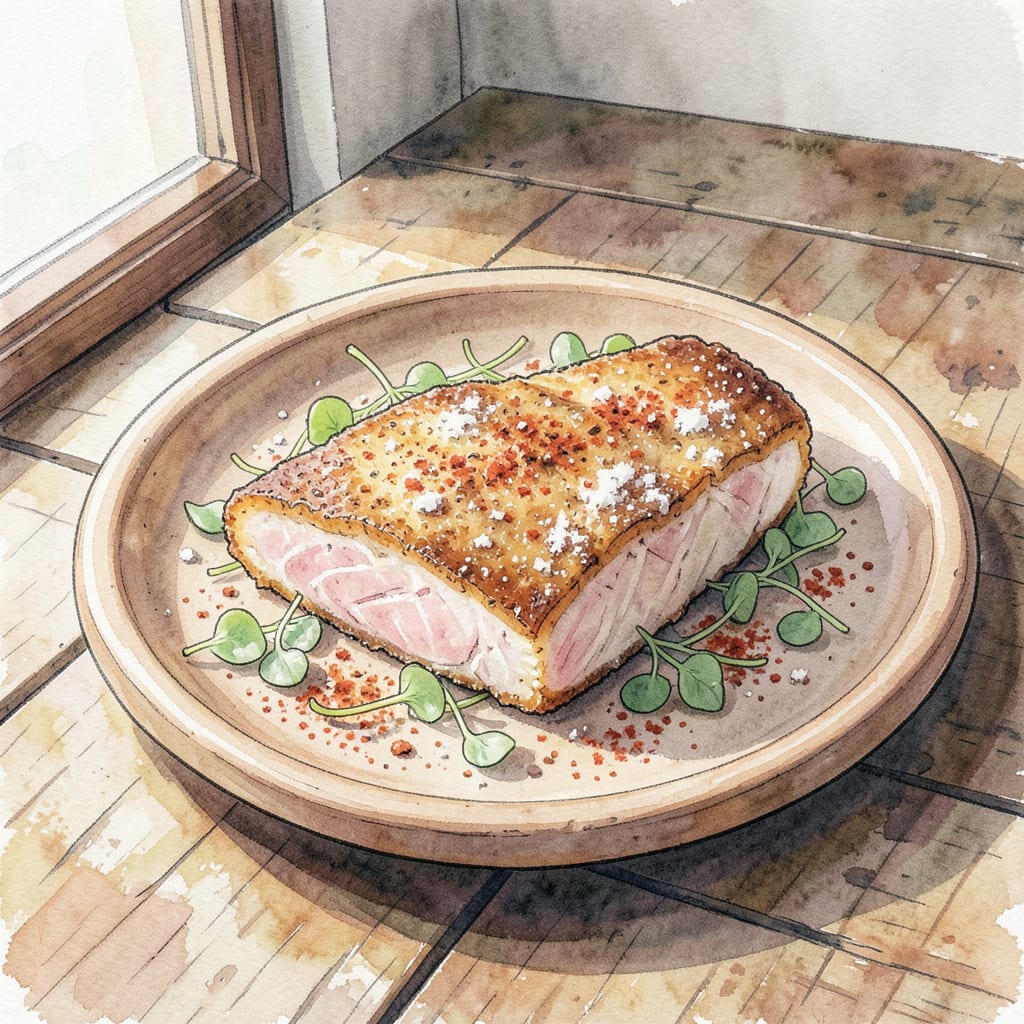
As a pitmaster with a passion for blending traditional techniques with modern flavors, I’m excited to share my alligator tenderloin recipe that’s sure to impress. 🔥 Pan-searing creates a crispy exterior while locking in tender, juicy meat.
Cooking alligator tenderloin to perfect doneness requires precision: sear at high heat (around 400°F) for 2-3 minutes per side, then finish at medium heat to desired doneness. The result is a dish that’s both exotic and approachable, with a texture that’s surprisingly similar to chicken or pork.
Ingredients for Alligator Tenderloin
Gather these ingredients for a dish that’s both exotic and approachable, with a crispy exterior.
| Ingredient | Amount | Notes |
|---|---|---|
| Alligator Tenderloin 🐊 | 1 ½ lb | Fresh or frozen, thawed |
| All-Purpose Flour 🌾 | 1 cup | For dredging, seasoned |
| Paprika 🌶️ | 1 tbsp | Smoked or sweet variety |
| Garlic Powder 🧄 | 1 tsp | Not garlic salt |
| Onion Powder 🧅 | 1 tsp | For added depth |
| Cayenne Pepper 🔥 | ½ tsp | Adjust for heat preference |
| Salt 🧂 | 1 tsp | Kosher or sea salt |
| Black Pepper 🌶️ | ½ tsp | Freshly ground preferred |
| Buttermilk 🥛 | 1 cup | For marinating |
| Vegetable Oil 🫒 | ½ cup | For frying, neutral flavor |
| Fresh Parsley 🌿 | ¼ cup | Chopped, for garnish |
| Lemon Wedges 🍋 | 4 whole | For serving |
[recipe_ingredient_scaler]
The alligator tenderloin is the star here. Look for it at specialty butcher shops or well-stocked seafood markets. If you’re feeling adventurous, you can substitute with chicken or pork tenderloin, but keep an eye on cooking time. For the marinade, buttermilk is key—it tenderizes the meat beautifully. If you’re out, you can make a quick substitute with 1 cup milk mixed with 1 tbsp white vinegar or lemon juice.
No smoked paprika? Regular paprika works, or try chipotle powder for an extra smoky kick. For those who like a little more heat, increase the cayenne to 1 teaspoon or add a pinch of red pepper flakes. The flour mixture should be well-seasoned, so taste it before dredging. If you’re looking for a gluten-free option, gluten-free all-purpose flour works just as well.
This dish is best served fresh, but leftovers can be stored in an airtight container in the fridge for up to 3 days. Reheat in the oven at 350°F to maintain that crispy exterior. You can also freeze cooked alligator for up to 3 months—just thaw overnight in the fridge before reheating.
Step-by-Step Instructions for Pan-Seared Alligator Tenderloin
Let’s get started with this simple yet impressive recipe that’s sure to delight.
👨🍳 Step 1: Marinate the Alligator Tenderloin
Begin by placing the 1.5 lb Alligator Tenderloin in a large bowl or zip-top bag. Pour in the 1 cup Buttermilk, making sure the tenderloin is fully submerged. If necessary, weigh it down with a plate. Cover and refrigerate for at least 2 hours or overnight for best results. The acidity in the buttermilk will tenderize the alligator meat, making it succulent and flavorful.
As it marinates, you’ll notice the tenderloin becoming more pliable and absorbing the tangy flavor. This step is crucial for achieving that perfect tenderness we promised.
🔥 Step 2: Prepare the Seasoned Flour
In a shallow dish, combine the 1 cup All-Purpose Flour, 1 tbsp Paprika, 1 tsp Garlic Powder, 1 tsp Onion Powder, 0.5 tsp Cayenne Pepper, 1 tsp Salt, and 0.5 tsp Black Pepper. Mix well until all the spices are evenly distributed throughout the flour. This seasoned flour will create a crispy, flavorful crust on our alligator tenderloin.
The combination of spices here adds depth and a touch of heat, complementing the alligator’s natural flavor. Feel free to adjust the cayenne pepper based on your heat preference.
🍳 Step 3: Dredge and Sear the Alligator
Remove the tenderloin from the buttermilk marinade, allowing any excess to drip off. Dredge the tenderloin in the seasoned flour mixture, pressing gently to ensure it adheres well. Heat 0.5 cup Vegetable Oil in a large skillet over medium-high heat until it reaches 375°F. Sear the coated tenderloin for 3-4 minutes per side until it achieves a golden brown crust. The internal temperature should reach 165°F for safe consumption.
You’ll know it’s done when the crust is crispy and the internal temperature is right. Don’t overcrowd the skillet; cook in batches if necessary. This ensures even cooking and that perfect crispy exterior.
⏰ Step 4: Rest and Serve
Once cooked, transfer the alligator tenderloin to a wire rack or paper towel-lined plate to drain any excess oil. Let it rest for 5 minutes before slicing. This resting period allows the juices to redistribute, ensuring the meat stays tender and juicy. Serve hot, garnished with 0.25 cup Fresh Parsley and accompanied by 4 whole Lemon Wedges on the side.
The final presentation is just as important as the cooking process. The fresh parsley adds a pop of color, while the lemon wedges provide a bright, citrusy contrast to the rich alligator meat.
Flavor Customization for This alligator tenderloin
Spicy Cajun Twist
For a bold Cajun flavor, increase the cayenne pepper to 1.5 teaspoons and add 1 teaspoon of Cajun seasoning to the flour mixture. This gives the alligator tenderloin a signature kick that pairs perfectly with a side of creamy coleslaw or hushpuppies. 🔥
Lemon Pepper Delight
For a brighter, citrusy flavor, add 1 tablespoon of lemon zest and 1 teaspoon of coarsely ground black pepper to the flour mixture. The lemon pepper crust creates a beautiful contrast to the rich alligator meat, making it a great option for a summer dinner party.
Garlic Parmesan Crust
Mix 2 cloves of minced garlic and 1/4 cup of grated Parmesan cheese into the flour mixture for an Italian-inspired twist. This creates a savory, umami-rich crust that complements the alligator’s natural flavors beautifully.
Smoky BBQ Flavor
Add a smoky dimension by incorporating 1 tablespoon of smoked paprika and 1 teaspoon of liquid smoke into the buttermilk marinade. This gives the alligator tenderloin a deep, smoky flavor that’s perfect for barbecue enthusiasts.
Herb Crust Variation
For a fresh, herbaceous flavor, mix 2 tablespoons of chopped fresh herbs (like parsley, thyme, or oregano) into the flour mixture. This adds a bright, aromatic quality to the dish that’s perfect for spring or summer serving. 🌿
Asian-Inspired Marinade
Replace the buttermilk marinade with a mixture of 1 cup of soy sauce, 1/4 cup of rice vinegar, and 2 cloves of minced ginger. This gives the alligator tenderloin an Asian-inspired flavor profile that’s both unique and delicious.
Nutrition Facts

Trained in classic French technique but raised on slow-cooked ribs and spicy rubs, she blends culinary skill with smoke and soul.
- Recipe for Boneless Pork Chops in Cast Iron Skillet: Sear and Baste to Juicy Perfection - October 3, 2026
- Recipe for Boneless Cross Rib Roast: Slow-Roasted Beef with Herb Crust - October 3, 2026
- Hamburgers in Sauce Recipe Crock Pot: Slow-Cooked Savory Delight - October 3, 2026