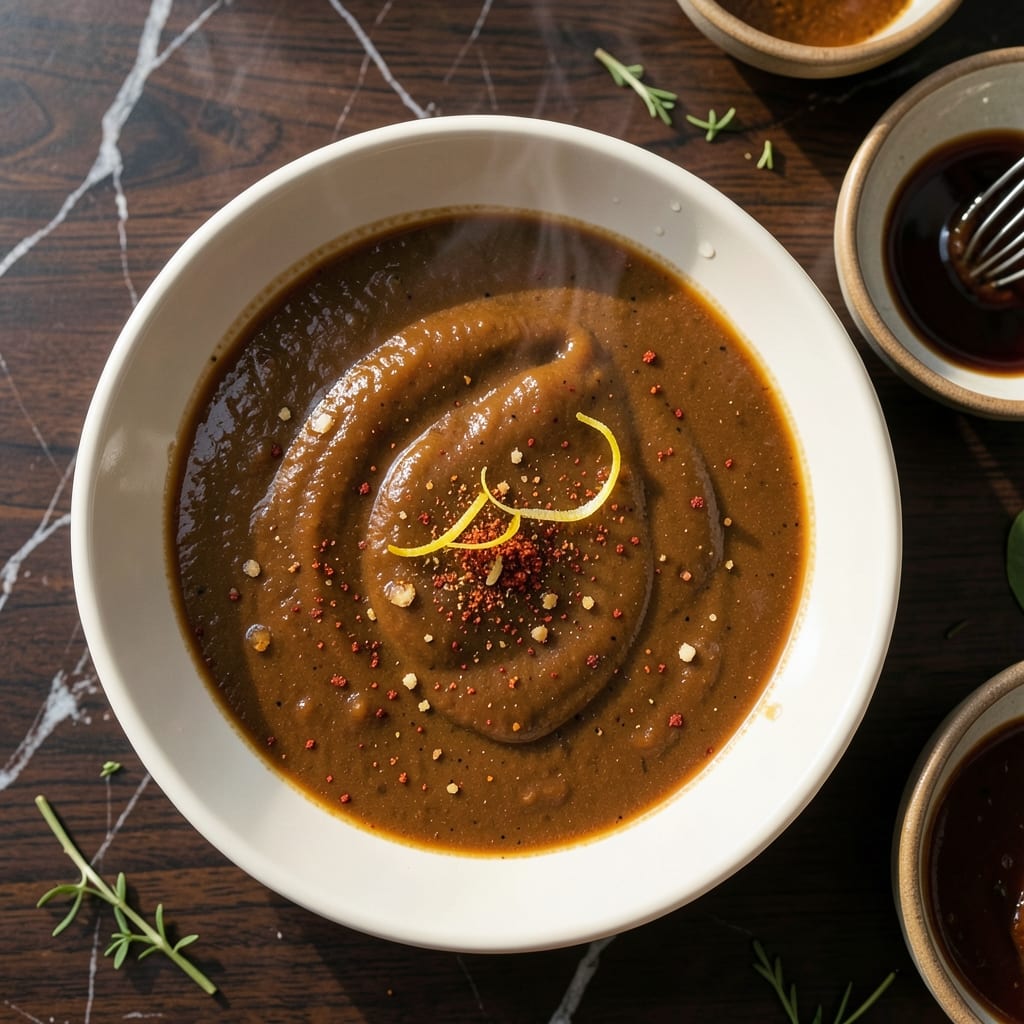
I’ve recreated the iconic Anchor Bar wing sauce that started it all—tangy, spicy, and perfectly balanced. This is the authentic flavor you know from the original Buffalo wings, bottled for your kitchen.
The magic is in the ratio of vinegar-based cayenne pepper sauce to melted butter, creating that signature heat with a smooth finish. No artificial additives, just the bold, zesty kick that made Buffalo wings famous worldwide.
Once you mix this up, you’ll have a versatile sauce that transforms chicken wings, tenders, or even veggie sticks into restaurant-quality bites. The flavor deepens after sitting for a few hours.
Make a big batch and store it in the fridge for up to a month. It’s the secret weapon every home cook needs.
Ingredients for Anchor Bar Wing Sauce
Eight simple ingredients capture that iconic Buffalo heat and tang in every drop.
| Ingredient | Amount | Notes |
|---|---|---|
| Frank's RedHot Cayenne Pepper Sauce 🌶️ | ¾ cup | Original vinegar-based sauce |
| Unsalted Butter 🧈 | ½ cup | Melted for smooth texture |
| White Vinegar 💧 | 2 tbsp | For extra tang |
| Worcestershire Sauce 🍶 | 1 tsp | Adds depth of flavor |
| Garlic Powder 🧄 | ½ tsp | For savory undertones |
| Cayenne Pepper 🔥 | ¼ tsp | Adjust for heat preference |
| Paprika 🌶️ | ¼ tsp | For subtle smokiness |
| Salt 🧂 | ¼ tsp | Balances the flavors |
[recipe_ingredient_scaler]
The Frank’s RedHot is non-negotiable—it’s the backbone of Anchor Bar’s signature flavor. You’ll find it at any grocery store (usually near the ketchup). I grab the big bottle since you’ll want to make this often. The butter should be unsalted so you control the salt level. Land O’Lakes or store brand works fine, but avoid margarine—it changes the texture.
No Frank’s? Crystal or Texas Pete are the closest substitutes. Out of white vinegar? Apple cider vinegar works in a pinch, but it’s slightly sweeter. Want it milder? Reduce the cayenne by half. The garlic powder is subtle but important—fresh minced garlic can make it chunky so stick to powder for the authentic smooth sauce.
This keeps for 1 month in the fridge in a sealed jar. The flavors meld and deepen over time, so make it a day ahead if you can. Shake or stir before using since the spices may settle.
Why You’ll Love This Recipe
- Five Ingredients: I just dump Frank’s, butter, vinegar, Worcestershire, and garlic powder in a pot and stir.
- Tangy Heat: The vinegar brightens the Frank’s while the butter smooths the cayenne kick.
- Game Day Staple: I make a double batch on Sunday and it’s ready for wings, tenders, or even a quick sandwich drizzle all week.
- Pantry Friendly: Honestly, I always have these staples on hand—no last-minute grocery runs.
Step-by-Step Instructions for Anchor Bar Wing Sauce
This foolproof method delivers that iconic tangy, buttery heat every time.
Step 1: Melt the Butter for a Smooth Base
In a medium saucepan over low heat, melt the 0.5 cup Unsalted Butter until completely liquid. This creates the rich, velvety foundation for your sauce. I always use low heat here to prevent the butter from browning or separating.
Watch for the butter to stop foaming—that’s your signal it’s fully melted. Remove from heat immediately to avoid overheating. The melted butter should be just warm, not hot, when you combine it with the other ingredients.
Step 2: Combine the Hot Sauce and Vinegar
In a heatproof bowl, whisk together the 0.75 cup Frank’s RedHot Cayenne Pepper Sauce and 2 tbsp White Vinegar. The vinegar amplifies the tanginess that makes this sauce so distinctive. I like to use a bowl that’s slightly larger than needed to prevent splashing.
Stir until the mixture is uniform. You’ll notice the vinegar slightly lightens the color of the hot sauce. This blend forms the spicy, tangy heart of your wing sauce, so make sure it’s fully combined before moving to the next step.
Step 3: Incorporate the Seasonings
Add the 1 tsp Worcestershire Sauce, 0.5 tsp Garlic Powder, 0.25 tsp Cayenne Pepper, 0.25 tsp Paprika, and 0.25 tsp Salt to the hot sauce mixture. Each of these plays a crucial role: the Worcestershire adds depth, the garlic powder brings savory notes, and the cayenne and paprika build the signature heat and subtle smokiness.
Whisk vigorously for 30 seconds until all the spices are fully dissolved and evenly distributed. The mixture should look smooth with no visible spice particles. This step ensures every bite of your wings carries consistent flavor.
Step 4: Blend with Melted Butter
Slowly pour the warm melted butter into the hot sauce mixture while whisking constantly. This gradual incorporation creates a smooth, emulsified sauce that won’t separate. I find that pouring in a thin stream while whisking gives the best results.
Continue whisking for another 30-60 seconds until the sauce is completely uniform and slightly thickened. The finished sauce should have a glossy appearance and coat the back of a spoon. If it looks too thick, don’t worry—it will thin slightly as it cools.
Taste and adjust the seasoning if needed, though the measured amounts typically hit the perfect balance of heat, tang, and savory depth that defines this classic sauce.
Pro Tips For Making Anchor Bar Wing Sauce
- Melt Butter Slowly: Use low heat to melt the butter first—adding Frank’s RedHot to hot butter can cause it to separate or become oily. I learned this the hard way after my first batch looked like a sad, greasy puddle.
- Balance the Vinegar: White vinegar is sharp, so start with 1 tablespoon, taste, and add more if needed. Too much can overpower the sauce, and you can’t take it out once it’s in.
- Skip the Boil: Never let the sauce come to a full boil—just warm it gently while whisking. Boiling can break the emulsion and make the sauce split, leaving you with a sad, watery mess.
- Use Room Temp Butter: Pull the unsalted butter out 30 minutes early so it melts evenly. Cold butter takes longer to incorporate and can leave your sauce grainy or uneven.
Essential Equipment for Perfect Results
Saucepan for Melting
I always reach for my 2-quart stainless steel saucepan from All-Clad when making this sauce. The even heat distribution prevents hot spots that could burn the butter. A smaller pan works too, but avoid nonstick—it can overheat and break down the butter’s structure. 🔥
Heatproof Mixing Bowl
Use a medium glass or stainless bowl (I love my Pyrex 4-cup) for combining hot ingredients. It needs to handle the warmth of melted butter without cracking. A wide base also helps with whisking the sauce to a smooth finish.
Whisk for Emulsification
A balloon whisk is my go-to for creating a perfect emulsion. The rounded shape blends the butter and vinegar-based sauce efficiently. I prefer OXO’s stainless steel whisk—it’s durable and the handle stays cool while I work. 💪
Measuring Tools
Precision matters with spices, so I use stainless steel measuring spoons from Cuisinox. For the 2 tbsp vinegar, a liquid measuring cup ensures accuracy. These small details keep the flavor balanced every time.
Storage Container
Once cooled, transfer your sauce to a 16-ounce glass jar with a tight-sealing lid. I reuse cleaned Ball mason jars—they’re airtight and easy to clean. Avoid plastic, as it can absorb odors and affect the sauce’s flavor over time. ❄️
Optional Immersion Blender
For an ultra-smooth texture, I occasionally use my Vitamix immersion blender. It’s not essential for this recipe, but if you double the batch or want to eliminate any possible spice clumps, it’s a game-changer. Just pulse 2-3 times for perfect consistency.
Nutrition Facts
Frequently Asked Questions
Can I use salted butter instead?
It’s best to stick with unsalted butter so you control the salt level. If using salted, reduce added salt by half to avoid over-salting.
Why does the sauce separate after cooling?
Separation is normal. Just whisk or shake before using. To prevent it, let the butter cool slightly before mixing with the vinegar-based ingredients.
How can I make it milder?
Reduce the cayenne pepper to ⅛ tsp or omit it. For extra mildness, use less hot sauce and add more butter.
What’s the best way to reheat the sauce?
Gently warm in a saucepan over low heat or microwave in 10-second bursts, stirring between each. Avoid boiling.

Trained in classic French technique but raised on slow-cooked ribs and spicy rubs, she blends culinary skill with smoke and soul.
- Recipe for Boneless Pork Chops in Cast Iron Skillet: Sear and Baste to Juicy Perfection - October 3, 2026
- Recipe for Boneless Cross Rib Roast: Slow-Roasted Beef with Herb Crust - October 3, 2026
- Hamburgers in Sauce Recipe Crock Pot: Slow-Cooked Savory Delight - October 3, 2026