Homemade noodles can be healthier than store-bought ones if made with whole, unprocessed ingredients and controlled salt content.
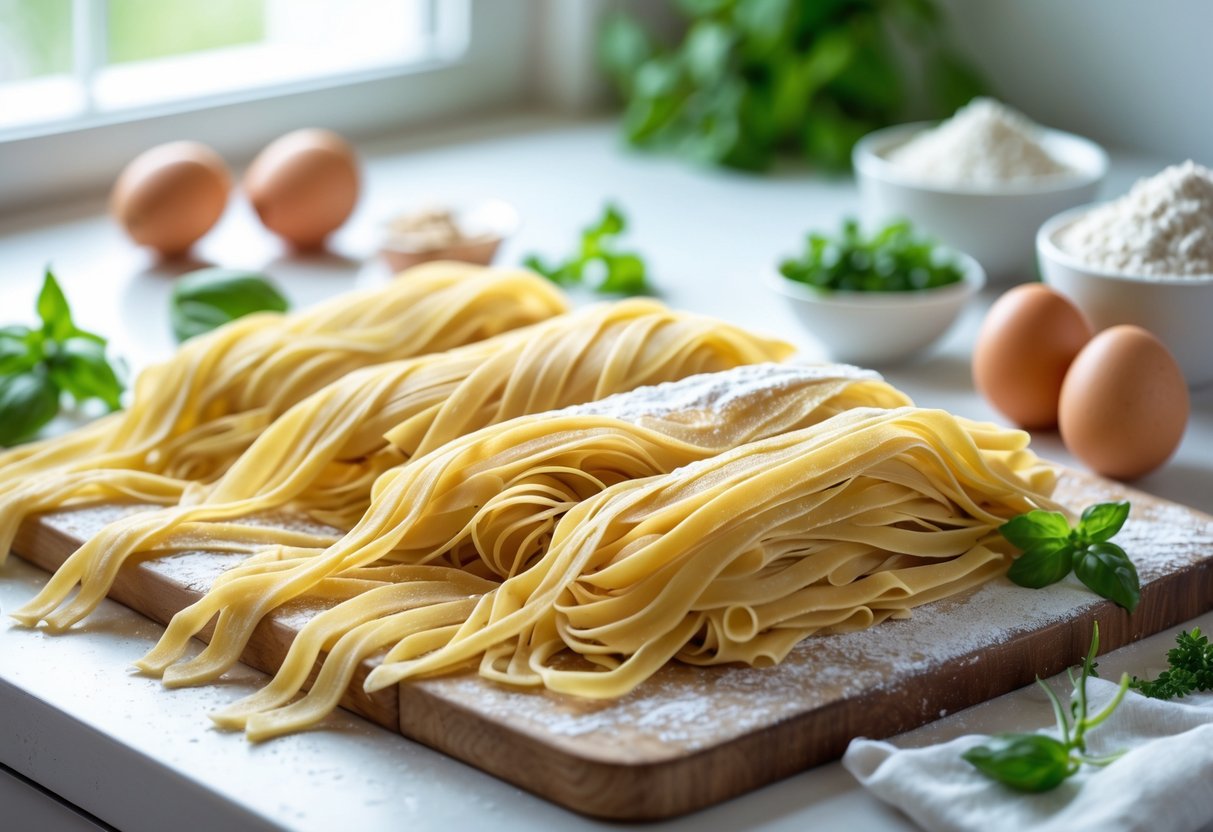
Making noodles at home offers a chance to skip preservatives, added sodium, and other extras found in commercial products. This means better control over what goes into the bowl, which often leads to a cleaner, more nourishing meal. It’s like cooking with a clear mind and a full heart—knowing exactly how fresh and wholesome your food really is.
Of course, not all homemade noodles are created equal. Choosing whole wheat or alternative flours and adding eggs or veggies can boost nutrition way beyond what you’d find in a packet. For the health-conscious cook, it’s a small effort that packs a big punch—plus, there’s nothing like the pride of pulling fresh noodles from the kitchen! 🍝
Are Homemade Noodles Healthier Than Store-Bought?
Homemade noodles offer more control over ingredients and flavors compared to store-bought versions. While both types share similar nutrition profiles, homemade noodles often avoid preservatives and unwanted additives found in some packaged pastas. Choosing the right flour and adding nutritious extras can also make homemade noodles a healthier choice that fits your diet.
Ingredient Quality and Additives
Homemade noodles usually contain simple ingredients like flour, eggs, water, and salt. This means no preservatives or additives, which are sometimes added to store-bought noodles to extend shelf life 🍝.
Store-bought pasta often uses refined flour with fewer nutrients and may include preservatives such as potassium sorbate or sodium benzoate. These additives might not be harmful in small amounts but can irritate sensitive people.
With homemade noodles, you get to skip these extras and use fresh, high-quality ingredients. Eggs add protein and healthy fats. Choosing whole wheat or semolina flour boosts fiber, iron, and vitamins naturally. Plus, no sodium is added, unlike some packaged noodles.
Nutritional Differences Between Homemade and Store-Bought
The nutritional gap between homemade and store-bought noodles depends mostly on ingredients. For example:
| Nutrient | Homemade Noodles (1 cup) | Store-Bought Noodles (1 cup) |
|---|---|---|
| Calories | 185 | 310 |
| Fat (g) | 2.5 | 1.3 |
| Carbs (g) | 33.4 | 62.7 |
| Protein (g) | 7.5 | 11 |
| Fiber (g) | 2.8 | 2.7 |
| Sodium (mg) | 118 | 4 |
| Cholesterol (mg) | 58 | 0 |
Homemade noodles tend to have fewer carbs and calories but more fat and cholesterol, thanks to the eggs. Store-bought pasta usually has more protein and potassium but less cholesterol. Sodium levels can be higher in homemade noodles depending on added salt.
If someone watches calories or carbs, homemade noodles might be better. For those avoiding cholesterol, store-bought dry pasta may suit better. Portion size control matters too 🍽️.
Choosing the Right Flour for Health
Flour choice hugely affects nutrition. Store-bought noodles mainly use refined white flour, which loses fiber, vitamins, and minerals during processing. Homemade noodles let you pick flours like:
- Whole wheat flour: Adds fiber, iron, and magnesium. Great for digestion and steady blood sugar.
- Semolina flour: Coarser, rich in protein and gluten, giving noodles a firm texture and better chew.
- All-purpose flour: Common, but less fiber and nutrients than whole grain options.
Using whole grain or semolina flour in homemade noodles boosts nutrients and slows the glycemic index. This helps manage blood sugar and insulin resistance better than white flour noodles.
People can mix flours too — half whole wheat and half semolina, for a good balance of fiber, texture, and nutrition. This flexibility is a big win for health-conscious cooks 🥖.
Enhancing Homemade Noodles With Add-Ins
You don’t have to stop at basic flour and eggs. Homemade noodles can get a nutrition boost by adding herbs, spices, or pureed veggies to the dough. This adds flavor and vitamins without extra calories.
Try mixing in:
- Spinach or beet puree: Adds iron, fiber, and color.
- Garlic or onion powder: Boosts antioxidants and flavor.
- Chopped fresh herbs (basil, oregano): Adds vitamins and a fresh taste.
- Ground flax or chia seeds: Add healthy fats and fiber.
These simple twists personalize noodles and make the dish more nutrient-rich 🌿.
Finally, pairing homemade noodles with healthy sauces like garlic pesto or a light tomato-herb sauce keeps the whole meal tasty and good for you. Cooking fresh also lets you control what goes into every bite — a win for flavor and health! 😋

Trained in classic French technique but raised on slow-cooked ribs and spicy rubs, she blends culinary skill with smoke and soul.
- Recipe for Boneless Pork Chops in Cast Iron Skillet: Sear and Baste to Juicy Perfection - October 3, 2026
- Recipe for Boneless Cross Rib Roast: Slow-Roasted Beef with Herb Crust - October 3, 2026
- Hamburgers in Sauce Recipe Crock Pot: Slow-Cooked Savory Delight - October 3, 2026