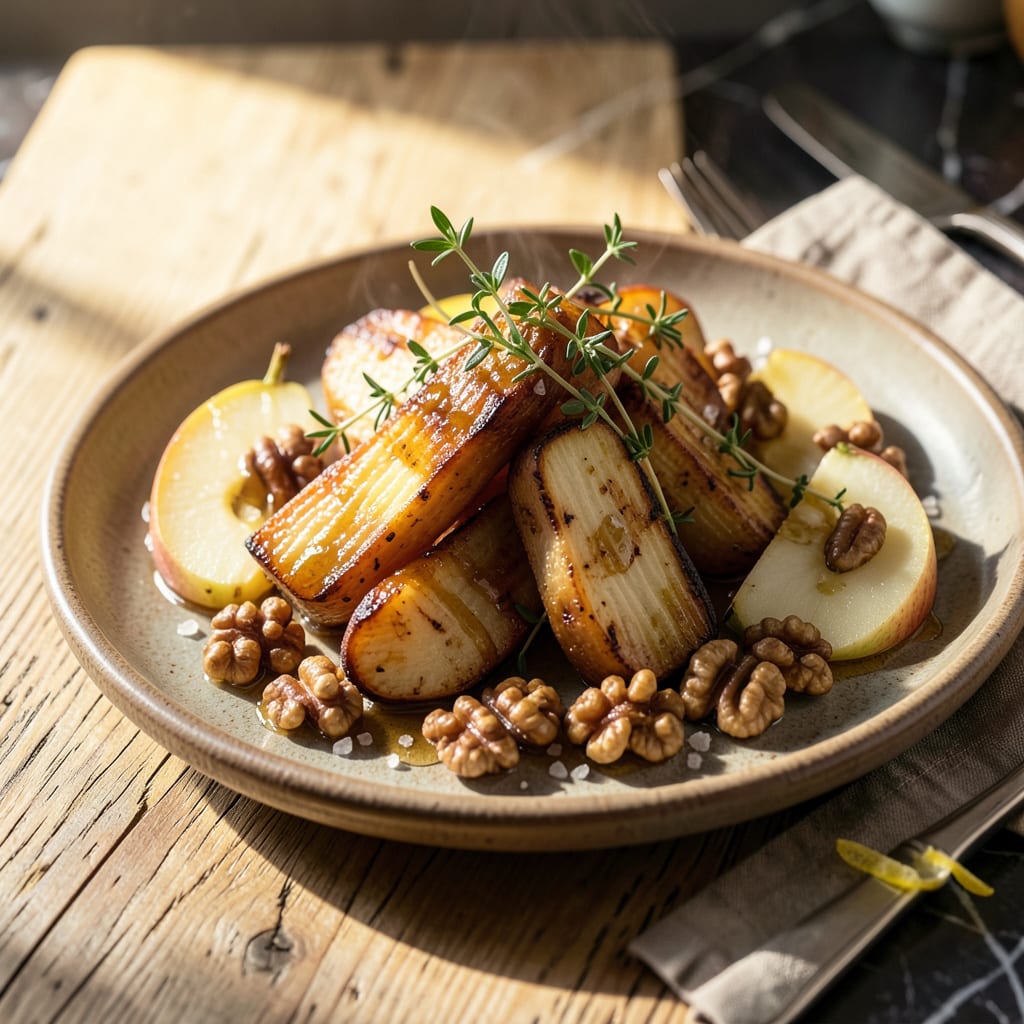
Parsnips develop a naturally sweet, nutty flavor when cooked, especially after frost exposure which converts starches to sugars. Raw, they taste earthy and slightly bitter but mellow into caramel-like sweetness when roasted or sautéed.
I love how parsnips transform from humble root to dessert-like delight with the right treatment. The magic happens when cold weather triggers their starches to break down into simple sugars—nature’s way of protecting the plant. 🔥 When you apply heat, those sugars caramelize beautifully, creating deep, toasty notes that make them taste almost like candy. This dual transformation (frost + cooking) is why chefs prize them for both savory and sweet dishes.
💡 In This Article
- Why Parsnips Develop Sweetness Through Cooking and Frost
- Best Cooking Techniques to Maximize Parsnip Sweetness
Why Parsnips Develop Sweetness Through Cooking and Frost
When temperatures drop below 32°F, parsnips undergo a biological survival mechanism. The plant converts its stored starches into simple sugars (glucose, fructose) as a natural antifreeze. This process, called cold-induced sweetening, can increase sugar content by up to 20% compared to summer-harvested roots.
The transformation is so dramatic that frost-kissed parsnips often taste like they’ve been lightly glazed with honey. ✨
Cooking amplifies this sweetness through two key reactions. First, heat breaks down cell walls, releasing those concentrated sugars. Second, at temperatures above 300°F, the sugars undergo Maillard reactions and caramelization—creating complex flavors with notes of butterscotch and toasted nuts.
Roasting at 400°F for 25-30 minutes produces the most pronounced caramelization, while boiling (which maxes out at 212°F) preserves more of the natural sugar content without browning. 🔥
The texture transformation matters too. Raw parsnips contain about 18% starch, giving them a fibrous, slightly bitter quality. When cooked, these starches gelatinize and soften, while the sugars create a tender, almost creamy mouthfeel.
I’ve found that parsnips roasted until their edges turn deep golden brown develop a crisp exterior with a custard-like interior—similar to perfectly cooked sweet potatoes but with a more delicate, floral aroma.
Here’s what most home cooks miss: the sugar development isn’t uniform. The core remains slightly earthy while the outer layers caramelize intensely. This contrast is why parsnips work so well in both savory dishes (where their sweetness balances rich meats) and desserts (where their nutty depth complements spices like cinnamon).
The frost exposure essentially pre-seasons them, reducing the need for added sugars in recipes. 🌟
For maximum sweetness, look for medium-sized parsnips (about 8-10 inches long) harvested after the first frost. Their sugar content peaks at this size—larger ones can become woody, while smaller ones haven’t developed enough starch to convert.
The ideal “sweet spot” occurs when nighttime temperatures consistently hit 28-32°F for at least two weeks, giving the roots time to fully transform their starch reserves.
Pro tip: If you can’t find frost-exposed parsnips, you can mimic the effect by storing them in your refrigerator’s crisper drawer (set to 32-34°F) for 10-14 days before cooking. This cold treatment will jumpstart the starch-to-sugar conversion, though not as dramatically as natural frost.
The difference is noticeable—especially when roasting, where the extra sugars create a more developed crust and deeper flavor. ⚡

Trained in classic French technique but raised on slow-cooked ribs and spicy rubs, she blends culinary skill with smoke and soul.
- Recipe for Boneless Pork Chops in Cast Iron Skillet: Sear and Baste to Juicy Perfection - October 3, 2026
- Recipe for Boneless Cross Rib Roast: Slow-Roasted Beef with Herb Crust - October 3, 2026
- Hamburgers in Sauce Recipe Crock Pot: Slow-Cooked Savory Delight - October 3, 2026