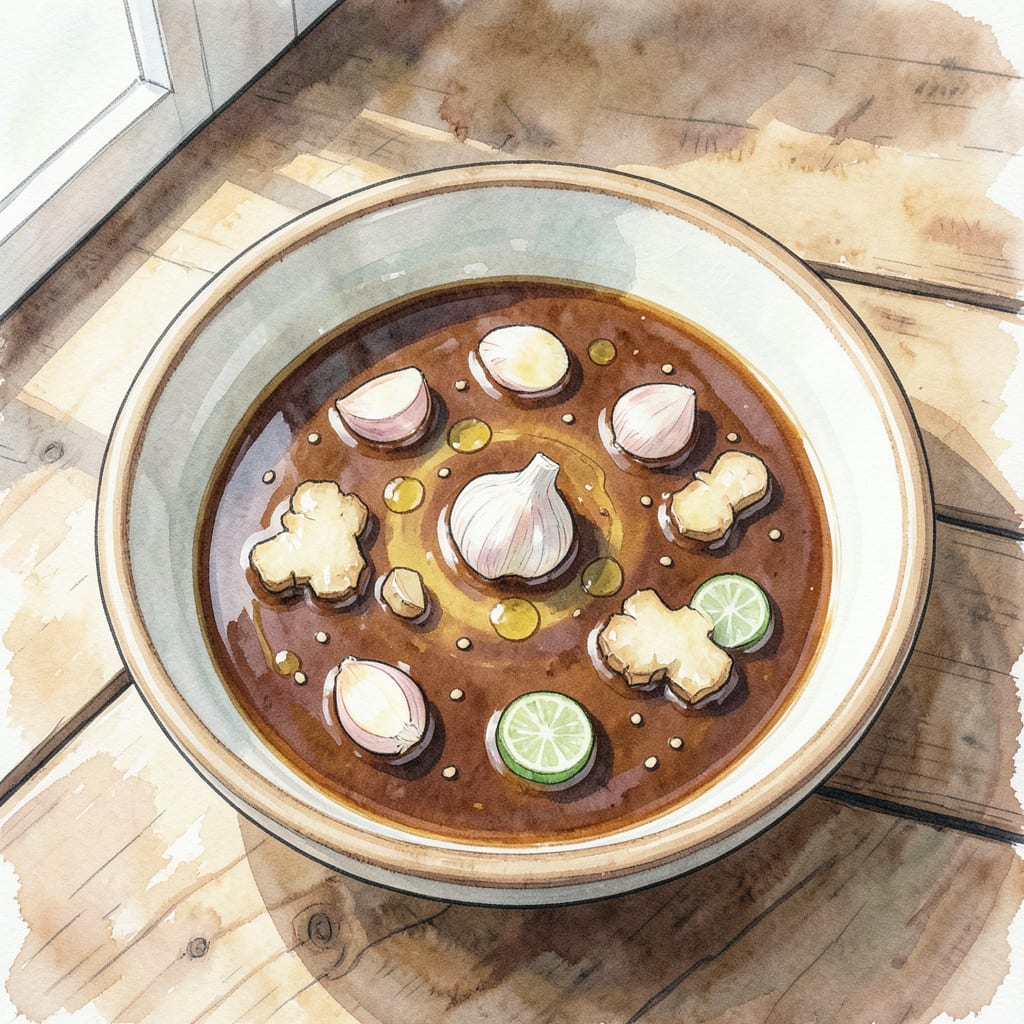
I’ve perfected this Asian BBQ marinade recipe through years of experimenting with different flavor combinations. It brings together the perfect balance of sweet and savory flavors that will elevate your grilled meats and vegetables.
This marinade is incredibly versatile and can be used for chicken, beef, pork, or tofu. With a blend of soy sauce, brown sugar, garlic, and ginger, it adds a depth of umami flavor that will leave you craving more. Let’s get started!
Ingredients for Asian Bbq Marinade
Eight ingredients come together in this sweet and savory Asian BBQ marinade.
| Ingredient | Amount | Notes |
|---|---|---|
| Soy Sauce 💧 | 1 cup | Low-sodium preferred |
| Brown Sugar 🍮 | ½ cup | Packed for best results |
| Garlic Cloves 🧄 | 4 cloves | Minced for maximum flavor |
| Fresh Ginger 🌿 | 2 tbsp | Grated, peeled first |
| Rice Vinegar 🍋 | ¼ cup | Or apple cider vinegar |
| Sesame Oil 🫒 | 2 tbsp | Toasted for nuttiness |
| Black Pepper 🌶️ | 1 tsp | Freshly ground preferred |
| Crushed Red Pepper 🔥 | ½ tsp | Optional for heat |
[recipe_ingredient_scaler]
For the best flavor, choose a low-sodium soy sauce—it lets you control the salt. Most grocery stores carry it, but if you’re hunting for a specific brand like Pearl River Bridge, check Asian markets. The brown sugar should be packed down tight when measuring.
No fresh ginger? Ground ginger works at about one-third the amount. Want more heat? Bump up that crushed red pepper. The sesame oil is doing the heavy lifting here—toasted sesame oil gives that signature nutty flavor. If you only have regular sesame oil, that’s okay too.
This keeps for 2 weeks in the fridge. I like to make a double batch and freeze half in ice cube trays. Perfect for future grilling sessions. Just thaw and you’re ready to go.
Step-by-Step Instructions for Asian BBQ Marinade
Let’s create this amazing marinade together – it’s easier than you think!
Step 1: Prepare the Marinade Base
In a medium bowl, combine the 1 cup Soy Sauce and 0.5 cup Brown Sugar. I like to use a whisk for this step because it helps dissolve the sugar more evenly. Keep whisking until the sugar has fully dissolved into the soy sauce – you’ll know it’s ready when the mixture is smooth and there are no sugar granules at the bottom.
The soy sauce provides that deep umami flavor while the brown sugar adds a touch of sweetness. This balance is what makes Asian BBQ marinades so special. Make sure you’re using low-sodium soy sauce as it’s called for – it makes a big difference in the final flavor.
Step 2: Add Aromatics and Spices
Add the 4 cloves minced Garlic Cloves and 2 tbsp grated Fresh Ginger to the marinade base. I prefer to use a microplane for grating the ginger as it creates a nice fine texture that distributes well throughout the marinade. The garlic and ginger will infuse the marinade with that characteristic Asian BBQ flavor that we love.
Make sure to mince the garlic finely so it doesn’t overpower the other flavors. For the ginger, peeling it first before grating ensures you don’t get any tough skin in your marinade. The combination of these aromatics with the soy sauce base creates a complex flavor profile that’s both savory and aromatic.
Step 3: Finish with Remaining Ingredients
Add the 0.25 cup Rice Vinegar, 2 tbsp Sesame Oil, 1 tsp Black Pepper, and 0.5 tsp Crushed Red Pepper to the mixture. Whisk everything together thoroughly to ensure all the ingredients are well incorporated. The rice vinegar adds a slight tanginess that helps balance the sweetness, while the sesame oil brings that nutty flavor characteristic of many Asian dishes.
If you’re using the crushed red pepper for some heat, be aware that it will infuse into the marinade as it sits. The black pepper adds a subtle spice that enhances the other flavors without overpowering them. Whisk until you see no oil separation – this ensures your marinade will coat your meat evenly.
Step 4: Store and Use the Marinade
Transfer the finished marinade to an airtight container – I prefer glass containers as they don’t react with the acidic ingredients. Store it in the refrigerator for at least 30 minutes before using to allow the flavors to meld together. The marinade will keep for up to 1 week in the refrigerator.
When you’re ready to use it, simply pour the marinade over your choice of protein (chicken, beef, or pork work great) in a zip-top bag or shallow dish. Make sure the meat is fully coated and refrigerate for the recommended marinating time. The longer it marinates, the more flavorful it’ll be!
Regional Styles of This Dish
Japanese Teriyaki Style
For a more traditional Japanese flavor, replace the rice vinegar with 1/4 cup sake or dry white wine. Add 1 tablespoon mirin for sweetness and depth. This variation creates a sweeter, more complex flavor profile that pairs beautifully with grilled chicken or salmon.
Korean-Style Gochujang Marinade
Substitute 1/4 cup gochujang paste for the soy sauce to give your marinade a spicy, fermented kick. Add 1 tablespoon toasted sesame seeds for extra nuttiness. This version works particularly well with beef or pork, and adds a deep red color to your grilled meats.
Southeast Asian-Inspired Peanut Marinade
Mix in 2 tablespoons creamy peanut butter with 1 tablespoon lime juice and 1 tablespoon fish sauce. This creates a rich, nutty flavor that’s perfect for chicken or tofu. The peanut butter adds a creamy element that balances the acidity from the lime juice.
Chinese Five-Spice Variation
Add 1 teaspoon Chinese five-spice powder to the marinade for a warm, aromatic flavor. This blend of spices, including cinnamon, cloves, and star anise, gives your grilled meats a distinctly Chinese flavor profile that works well with pork or chicken.
Thai-Inspired Coconut Marinade
Combine 1/4 cup coconut milk with 1 tablespoon Thai red curry paste for a creamy, spicy marinade. This variation is excellent for chicken or shrimp, and adds a rich, velvety texture to your grilled proteins. The coconut milk helps keep meats moist while grilling. 🌟
Regional Customization Tips
When experimenting with different regional variations, start by substituting one or two ingredients at a time. Taste as you go and adjust seasoning accordingly. For example, if you’re adding a new spice blend, start with a small amount and increase to taste. This allows you to build complex flavors without overpowering your dish. 🔥
Nutrition Facts

Trained in classic French technique but raised on slow-cooked ribs and spicy rubs, she blends culinary skill with smoke and soul.
- Recipe for Boneless Pork Chops in Cast Iron Skillet: Sear and Baste to Juicy Perfection - October 3, 2026
- Recipe for Boneless Cross Rib Roast: Slow-Roasted Beef with Herb Crust - October 3, 2026
- Hamburgers in Sauce Recipe Crock Pot: Slow-Cooked Savory Delight - October 3, 2026