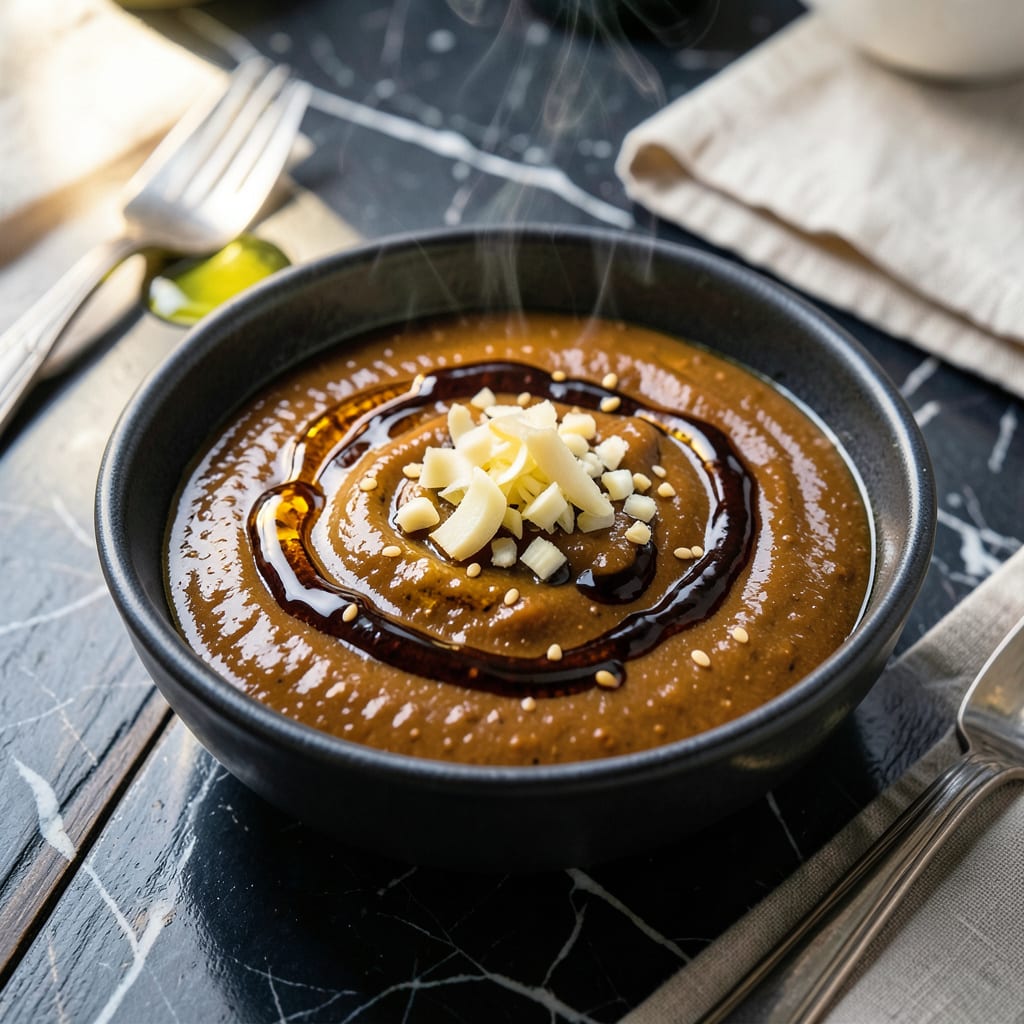
This sauce transforms grilled meats with its sweet-smoky depth and rich umami character. I developed it to bridge my pitmaster roots with bold Asian flavors.
Simple pantry staples create a versatile glaze that elevates ribs, chicken, or vegetables. It keeps well refrigerated for up to two weeks.
Ingredients for Asian Bbq Sauce
Pantry staples combine into a bold glaze with sweet, smoky, and umami layers.
| Ingredient | Amount | Notes |
|---|---|---|
| Ketchup 🍅 | 1 cup | High-quality for best flavor |
| Soy Sauce 🫕 | ½ cup | Low-sodium preferred for balance |
| Honey 🍯 | ⅓ cup | Pure for natural sweetness |
| Rice Vinegar 🍚 | ¼ cup | Unseasoned for clean acidity |
| Molasses 🫙 | 2 tbsp | Dark for deep, smoky richness |
| Sesame Oil 🫒 | 1 tbsp | Toasted for nutty aroma |
| Garlic Cloves 🧄 | 3 cloves | Minced for bold flavor |
| Fresh Ginger 🌿 | 1 tbsp | Grated for zesty kick |
| Sriracha 🌶️ | 1 tbsp | Adjust to taste preference |
| Ground Black Pepper 🌶️ | ½ tsp | Freshly ground for sharpness |
[recipeingredientscaler]
The soy sauce is the backbone here. Kikkoman or San-J Tamari (for gluten-free) are my go-tos, but any decent brand works. For the molasses, Grandma’s Unsulfured is easy to find at most supermarkets. Fresh ginger and garlic are non-negotiable—dried just doesn’t cut it for that zing. I grab mine from Whole Foods when I want the good stuff (the organic section has the freshest roots).
No honey? Maple syrup or agave at a 1:1 swap keeps it vegan-friendly. Out of molasses? Brown sugar plus a dash of blackstrap in a pinch. Sriracha too hot? Half the amount plus extra ketchup balances it out. Rice vinegar can be subbed with apple cider vinegar, but it changes the profile slightly (more tang, less clean acidity).
This keeps beautifully. 2 weeks in the fridge in a sealed jar, or freeze for 3 months. The flavors actually deepen over time, so making it a day ahead is worth it. Stir before using—things settle!
Why You’ll Love This Recipe
- Five Minute Mix: I literally stir these five ingredients together in a saucepan and it’s done. No chopping, no fuss.
- Sweet-Savory Balance: The honey and molasses bring this deep, caramelized sweetness that plays off the soy’s salty punch.
- Slather on Everything: I’ve used it on chicken, ribs, even roasted tofu—it’s my go-to for anything needing a sticky, glossy finish.
- Makes Extra, Stays Fresh: A batch lasts me two weeks in the fridge, so I’m always ready for impromptu grilling or takeout-style stir-fries.
Step-by-Step Instructions for Asian BBQ Sauce
This method brings together all the bold flavors into a glossy, restaurant-worthy glaze.
Step 1: Bloom the Aromatics in Sesame Oil
Heat a medium saucepan over medium-low heat and add the 1 tbsp Sesame Oil. Once it shimmers, add the 3 cloves Garlic Cloves and 1 tbsp Fresh Ginger, stirring constantly for 30-45 seconds until fragrant.
You want the garlic and ginger to release their essence without browning. This step builds the aromatic foundation that defines the sauce. If it starts to darken, reduce the heat immediately—burnt garlic turns bitter and ruins the flavor profile.
Step 2: Combine Liquid Ingredients and Simmer
Pour in the 1 cup Ketchup, 0.5 cup Soy Sauce, 0.33 cup Honey, 0.25 cup Rice Vinegar, 2 tbsp Molasses, 1 tbsp Sriracha, and 0.5 tsp Ground Black Pepper. Stir well to incorporate all the ingredients completely.
Increase the heat to medium-high and bring the mixture to a gentle boil. Then reduce the heat to medium-low to maintain a steady simmer. This gradual heating prevents the honey and molasses from burning at the bottom of the pan.
Step 3: Reduce to Desired Consistency
Let the sauce simmer uncovered for 15-20 minutes, stirring occasionally to prevent sticking. As it reduces, the flavors will concentrate and the sauce will thicken to a glossy, syrup-like consistency.
You’ll know it’s ready when it coats the back of a spoon and leaves a clear trail when you run your finger through it. The volume will reduce by about one-third. If it thickens too much before the time is up, add a splash of water and continue simmering.
Step 4: Cool and Adjust Seasoning
Remove the saucepan from heat and let the sauce cool to room temperature. As it cools, it will thicken slightly more. This is the perfect time to taste and adjust the seasoning if needed.
If you prefer more heat, you can add an extra dash of sriracha, but I find the current balance hits that perfect sweet-spicy-savory note. The sauce should have a complex umami depth with a subtle smokiness from the molasses and a bright finish from the rice vinegar.
Transfer to an airtight container once completely cool. The sauce will keep in the refrigerator for up to 2 weeks.
Pro Tips For Making Asian Bbq Sauce
- Simmer Low and Slow: Keep the heat at medium-low and let it reduce for 8-10 minutes—any hotter and the honey will burn before the flavors meld. I learned this the hard way after scraping a charred pot.
- Balance the Soy: Use low-sodium soy sauce or cut it back by half, then adjust to taste. Too much salt will overpower the molasses and honey.
- Skip the Boil: Resist the urge to crank the heat to speed things up. A gentle simmer is what blends the ketchup and rice vinegar smoothly without splitting.
- Swap for Substitutes: No molasses? Dark brown sugar dissolved in a splash of water works in a pinch. Sounds weird, but it actually changes the outcome very little.
Storing and Reheating This Recipe
Refrigerator Storage
Once cooled completely, transfer your sauce to a clean glass jar or squeeze bottle. I prefer mason jars—easy to find at Target and they seal perfectly. Keep it at 40°F or below for up to 2 weeks. The flavors deepen beautifully over time. ❄️
Freezer Storage
For longer storage, freeze in ice cube trays first. Once solid, pop out the cubes and store in a freezer bag for up to 3 months. This way, you can thaw just what you need. I label mine with the date—I’m still figuring out the best system for tracking. 💡
Thawing and Prep
Thaw frozen sauce overnight in the fridge. If you’re in a rush, place the sealed container in a bowl of cold water. Avoid microwaving directly from frozen—it can separate the ingredients. Stir well before using to redistribute any settled spices.
Reheating for Use
Gently warm the sauce in a small pot over low heat for 3-5 minutes, stirring often. If it thickens too much, add 1-2 tsp water to loosen. For glazing meats, brush on during the last 5 minutes of grilling to prevent burning.
Nutrition Facts

Trained in classic French technique but raised on slow-cooked ribs and spicy rubs, she blends culinary skill with smoke and soul.
- Recipe for Boneless Pork Chops in Cast Iron Skillet: Sear and Baste to Juicy Perfection - October 3, 2026
- Recipe for Boneless Cross Rib Roast: Slow-Roasted Beef with Herb Crust - October 3, 2026
- Hamburgers in Sauce Recipe Crock Pot: Slow-Cooked Savory Delight - October 3, 2026