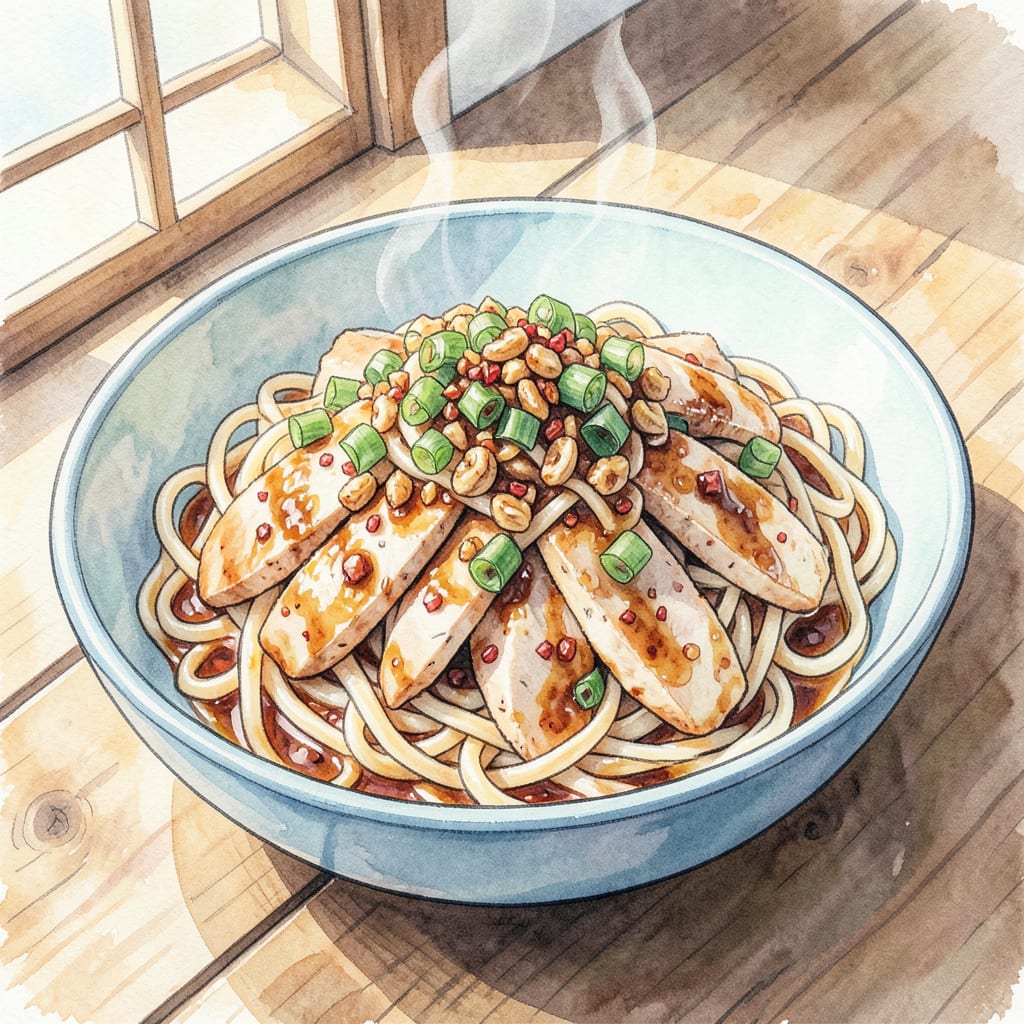
I’ve perfected my Asian garlic noodles recipe through years of experimenting with different stir-fry techniques. This dish combines savory noodles, tender protein, and a garlicky sauce that’ll become your new weeknight staple.
Ready in just 20 minutes, this recipe delivers restaurant-quality flavor with simple ingredients. Let’s create a dish that’s both comforting and exciting – perfect for busy evenings when you need a satisfying meal fast.
Ingredients for Asian Garlic Noodles
These simple ingredients come together in just 20 minutes to create restaurant-quality Asian garlic noodles.
| Ingredient | Amount | Notes |
|---|---|---|
| Rice Noodles 🍜 | 8 oz | Dried, thin rice stick noodles |
| Vegetable Oil 🫒 | 2 tbsp | Neutral oil like canola or grapeseed |
| Garlic Cloves 🧄 | 6 cloves | Peeled and minced |
| Ginger 🌿 | 1 tbsp | Fresh, grated |
| Soy Sauce 🧂 | ¼ cup | Use low-sodium for best control |
| Oyster Sauce 🐚 | 2 tbsp | Optional, but adds depth |
| Hoisin Sauce 🍜 | 1 tbsp | Sweet and savory |
| Sesame Oil 🫒 | 1 tsp | Toasted for nuttiness |
| Brown Sugar 🍮 | 1 tsp | Adds slight sweetness |
| Green Onions 🌿 | ½ cup | Sliced thin, for garnish |
| Protein of Choice 🍗 | 1 lb | Chicken, beef, or tofu, sliced thin |
| Sesame Seeds 🌼 | 1 tbsp | Optional, for garnish |
[recipe_ingredient_scaler]
For the best noodles, look for thin rice stick noodles at your local Asian market or in the international section of most supermarkets. Thai Kitchen and Three Ladies are reliable brands. If you can’t find rice noodles, soba noodles make a decent substitute, though the texture will be slightly different.
No oyster sauce? Don’t sweat it. Hoisin sauce plus soy sauce gets you close. For protein, chicken breast is classic, but beef strips or extra-firm tofu work beautifully too. If you’re using frozen protein, make sure it’s fully thawed before slicing. For an extra kick, add a dash of Sriracha or your favorite chili sauce.
Leftover noodles keep well in the fridge for up to 3 days. Reheat with a splash of water or broth to loosen the sauce. You can also freeze individual portions for up to 1 month. Just thaw overnight in the fridge and reheat as needed. The sauce will thicken upon cooling, so a quick stir with some additional water or broth will bring it back to life.
Step-by-Step Instructions for Asian Garlic Noodles
Here’s the method to create this savory stir-fry perfection in just a few easy steps.
Step 1: Prepare the Rice Noodles and Protein
Start by cooking the 8 oz rice noodles according to package instructions – typically soaking in hot water for 5-7 minutes until they become soft and pliable. Drain and set aside. While the noodles cook, prepare your 1 lb protein of choice by slicing it into thin strips. I like to use chicken or beef for this recipe, but tofu works great for a vegetarian option. Season the protein lightly with a pinch of salt and set aside until ready to cook.
Step 2: Sauté Aromatics and Protein
Heat 2 tbsp vegetable oil in a large skillet or wok over medium-high heat. Once the oil shimmers, add the 6 cloves minced garlic cloves and 1 tbsp grated ginger. Stir-fry for 30 seconds until fragrant, being careful not to let the garlic burn. Then add your prepared 1 lb protein of choice and cook until it’s fully cooked through, typically 3-5 minutes depending on the protein you chose. Remove the protein from the pan and set aside with the noodles.
Step 3: Create the Savory Sauce
In the same pan, combine 0.25 cup soy sauce, 2 tbsp oyster sauce (if using), 1 tbsp hoisin sauce, 1 tsp sesame oil, and 1 tsp brown sugar. Stir everything together and bring the mixture to a simmer. Let it cook for 1-2 minutes until the sauce thickens slightly and develops a rich, glossy appearance. The aroma will become more complex and inviting as it reduces – that’s your sign that it’s ready.
Step 4: Combine Everything and Finish
Add the cooked 8 oz rice noodles and 1 lb protein of choice back into the pan with the savory sauce. Toss everything together over medium heat until the noodles are well coated and the ingredients are evenly distributed. This should take about 2-3 minutes. Finally, stir in 0.5 cup sliced green onions and cook for another 30 seconds. Transfer to serving plates and garnish with 1 tbsp sesame seeds if desired. Serve immediately while hot and enjoy!
Troubleshooting This Recipe
Common Cooking Issues
One of the most frequent problems with Asian garlic noodles is overcooking the noodles. To avoid this, monitor your noodles closely while they’re soaking. Different brands have varying cooking times, so check yours at 4 minutes and then every 30 seconds after. You’re looking for that perfect tender-but-still-firm texture. 🔥
Garlic Burning Prevention
Garlic can quickly go from perfectly golden to burnt, which changes the flavor dramatically. To prevent this, add your minced garlic when the oil is just starting to shimmer, not after it’s smoking hot. Stir constantly for those 30 seconds until fragrant. If you notice it starting to brown too quickly, add your protein immediately to help cool things down.
Protein Overcooking Fixes
If you’re finding your protein is consistently coming out overcooked, try adjusting your heat and timing. For chicken or beef, sear quickly over high heat just until browned, then finish cooking at a lower temperature. This helps prevent the outside from becoming tough before the inside is fully cooked. For tofu, press it well before slicing and cook it just until golden on the outside.
Sauce Consistency Solutions
If your sauce is too thin, don’t panic. Simply simmer it for another 30 seconds to 1 minute while stirring constantly until it reaches your desired consistency. If it’s too thick, whisk in a small amount of water or broth – start with 1 tablespoon at a time until you get the right texture. Remember that the sauce will thicken a bit as it cools, so it’s better to err on the slightly thinner side.
Flavor Balancing Tips
The key to great Asian garlic noodles is balance. If it’s too salty, add a squeeze of fresh lime juice. Too sweet? Add a dash more of soy sauce. Need more depth? A sprinkle of sesame seeds or a drizzle of sesame oil can make a big difference. Taste and adjust as you go – it’s easier to add seasoning than to fix an over-seasoned dish.
Reheating Leftover Noodles
When reheating leftover noodles, add a splash of water or broth to loosen the sauce. I find that reheating in a skillet over medium heat while stirring constantly works best. This helps redistribute the sauce and heats everything evenly. For an extra burst of flavor, add some fresh green onions or a sprinkle of sesame seeds just before serving. 🌟
Nutrition Facts

Trained in classic French technique but raised on slow-cooked ribs and spicy rubs, she blends culinary skill with smoke and soul.
- Recipe for Boneless Pork Chops in Cast Iron Skillet: Sear and Baste to Juicy Perfection - October 3, 2026
- Recipe for Boneless Cross Rib Roast: Slow-Roasted Beef with Herb Crust - October 3, 2026
- Hamburgers in Sauce Recipe Crock Pot: Slow-Cooked Savory Delight - October 3, 2026