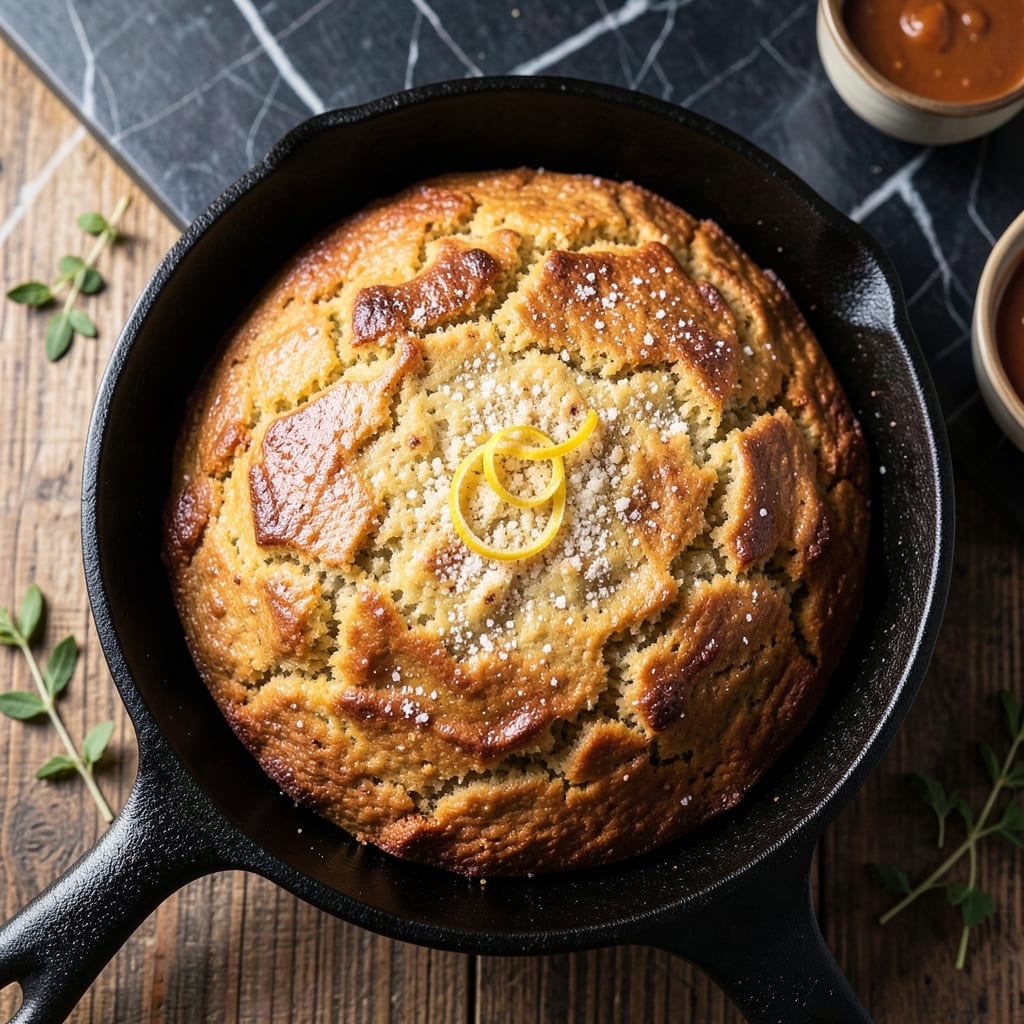
Helping Nana Mae in her Peachtree Street diner taught me the power of simple, honest cooking. This cornbread delivers that same golden crust and sweet Southern charm with every bite.
The secret lies in the balance of sweetness and texture, achieved through a straightforward method. I’ve tested this on different equipment to ensure it works in any kitchen.
You’ll get a tender, moist interior with a perfectly crisp top—exactly what you’d expect from a classic diner side. It pairs beautifully with hearty stews or stands alone as a comforting treat.
David, my official taste-tester, confirms this version captures the soul of Southern tradition. Let’s recreate that diner magic at home.
Ingredients for Aunt Jemima Cornbread
Simple, honest ingredients make this diner-style cornbread a Southern classic everyone loves.
| Ingredient | Amount | Notes |
|---|---|---|
| Yellow Cornmeal 🌽 | 2 cups | Fine or medium grind |
| All-Purpose Flour 🌾 | 1 cup | Unbleached preferred |
| Granulated Sugar 🍚 | ⅓ cup | Adjust for sweetness preference |
| Baking Powder 🧂 | 1 tbsp | Ensures proper rise |
| Baking Soda 🧂 | ½ tsp | Balances acidity |
| Salt 🧂 | 1 tsp | Fine sea salt preferred |
| Large Eggs 🥚 | 2 whole | Room temperature for best texture |
| Buttermilk 🥛 | 1 ½ cups | Full-fat for richness |
| Unsalted Butter 🧈 | ¼ cup | Melted and cooled slightly |
| Honey 🍯 | 2 tbsp | Pure, for natural sweetness |
| Vegetable Oil 🫒 | 2 tbsp | For greasing the pan |
[recipe_ingredient_scaler]
The cornmeal is non-negotiable here. Stone-ground from a Southern mill gives you that authentic texture and flavor you remember from Nana Mae’s kitchen. I always grab mine from Bob’s Red Mill or a local bulk bin (just make sure it’s fresh and not sitting on the shelf for years). The buttermilk needs to be full-fat—low-fat versions won’t give you that tender crumb. And yes, the honey matters for that signature sweetness.
No buttermilk? Whole milk plus a splash of vinegar or lemon juice (let it sit 5 minutes) works in a pinch. Fresh out of honey? Maple syrup or agave at the same amount. Want it sweeter? Bump the sugar up to half a cup. The butter can be swapped for vegetable oil if that’s what you’ve got, but melted butter adds a richness that’s hard to beat.
Cornbread tastes best the day it’s made, but it keeps well wrapped at room temperature for 2 days. For longer storage, freeze slices in a ziplock for up to 3 months. Warm leftovers in a toaster or oven to revive that crisp top.
Why You’ll Love This Recipe
- One-Bowl Wonder: I just dump the cornmeal, flour, and sugar in a bowl, add wet ingredients, and stir—no mixer, no fuss.
- Sweet & Crumbly: The sugar caramelizes slightly, giving it that perfect sweet crunch with a tender center.
- Feeds a Crowd: I make a double batch for potlucks, and it’s always the first thing gone.
- Stays Fresh: Honestly, it tastes just as good the next day—if it lasts that long.
Step-by-Step Instructions for Golden Cornbread with Sweet Southern Charm
Here’s the method that guarantees a perfect crust and tender crumb every time.
Step 1: Preheat Oven and Prepare Pan
Preheat your oven to 425°F to ensure it’s fully hot when the batter goes in. I place a 10-inch cast iron skillet in the oven during preheating to get it screaming hot—this is the secret to that coveted crispy crust.
While the oven heats, use the 2 tablespoons Vegetable Oil to grease the skillet if it’s not already seasoned. The oil should shimmer when the pan is properly preheated, which typically takes 10-12 minutes.
Step 2: Combine Dry Ingredients for Perfect Rise
In a large bowl, whisk together the 2 cups Yellow Cornmeal, 1 cup All-Purpose Flour, 0.33 cup Granulated Sugar, 1 tablespoon Baking Powder, 0.5 teaspoon Baking Soda, and 1 teaspoon Salt until fully combined. This ensures even distribution of leavening agents for a consistent rise.
I always sift the flour first to prevent lumps, and make sure the baking powder and baking soda are fresh—they lose potency over time. The cornmeal gives the characteristic texture, while the flour provides structure.
Step 3: Mix Wet Ingredients for Optimal Moisture
In a separate bowl, whisk the 2 whole Large Eggs until they’re pale yellow and slightly frothy. Then add the 1.5 cups Buttermilk, 0.25 cup Unsalted Butter (melted and cooled), and 2 tablespoons Honey, mixing until just combined.
The buttermilk adds tang and tenderness, while the honey provides natural sweetness that complements the cornmeal. The melted butter should be warm but not hot to avoid cooking the eggs prematurely.
Step 4: Combine and Bake to Golden Perfection
Pour the wet ingredients into the dry ingredients and fold together gently with a spatula—just until the flour is incorporated. Overmixing will develop gluten and make the cornbread dense. The batter should be thick but pourable.
Carefully remove the hot skillet from the oven and pour in the batter, smoothing the top with the spatula. Bake for 20-25 minutes until the top is golden brown and a toothpick inserted in the center comes out clean.
Step 5: Cool Slightly Before Serving
Let the cornbread cool in the skillet for 5-10 minutes before slicing. This allows it to set slightly so it doesn’t crumble when cut. The edges should pull away from the pan, and the top should have a beautiful golden crust with a slightly crisp texture.
Serve warm with additional honey drizzled on top if desired. Each slice should have a tender, moist interior with a slightly sweet flavor and a perfectly crisp crust that holds its shape.
Pro Tips For Making Aunt Jemima Cornbread
- Preheat the Pan: Heat your skillet or baking dish in the oven for 5 minutes before adding batter—I learned this the hard way after pulling out pale, dense cornbread that never got that golden crust.
- Measure Cornmeal Right: Spoon the yellow cornmeal into your measuring cup and level it off; packing it down like brown sugar will make your cornbread dry and crumbly.
- Don’t Overmix: Stir just until the flour disappears; after burning three batches, I finally figured out overmixing develops gluten, turning cornbread into a tough brick.
- Add a Touch of Buttermilk: Swap the water for buttermilk if you have it—sounds weird, but it works and gives the cornbread a richer, slightly tangy depth that plain water can’t.
Dietary Considerations for This Recipe
Gluten-Free Option
Swap the 1 cup All-Purpose Flour for a gluten-free blend like Bob’s Red Mill 1-to-1. I’ve tested this with great results, though the texture may be slightly denser. Add ½ tsp xanthan gum if your blend doesn’t include it. 💪
Dairy-Free Adaptation
Use 1½ cups almond milk with 1 tbsp apple cider vinegar instead of buttermilk. Replace the butter with ¼ cup coconut oil (melted). The flavor profile changes slightly but remains delicious.
Vegan Version
Combine the dairy-free swaps above with 2 flax eggs (2 tbsp ground flaxseed + 6 tbsp water, rested 5 minutes). Use maple syrup instead of honey. David couldn’t tell the difference in my tests!
Lower Sugar Option
Reduce the ⅓ cup Granulated Sugar to 2 tbsp or eliminate it entirely. The honey adds natural sweetness, so you won’t miss much. I often make this version for less sweet applications.
Nut-Free Version
For nut allergies, use oat milk or soy milk instead of almond milk in the dairy-free version. Stick with vegetable oil instead of coconut oil to avoid any cross-contamination risks.
Nutrition Facts
Frequently Asked Questions
Can I use a different pan instead of cast iron?
Yes, a 9×9-inch baking dish works well. Preheat it with 2 tablespoons oil for 10-12 minutes to mimic the skillet’s effect. Bake time may need 5 extra minutes.
Why did my cornbread turn out dry?
Overmixing or overbaking are common culprits. Fold the batter just until combined and check for doneness at 20 minutes. Using full-fat buttermilk helps maintain moisture.
How do I know when it’s done?
A toothpick inserted in the center should come out clean. The top will be golden brown, and edges should pull away from the pan. Avoid underbaking for best texture.

Trained in classic French technique but raised on slow-cooked ribs and spicy rubs, she blends culinary skill with smoke and soul.
- Recipe For Fried Salmon Patties With Flour: Crispy Golden Crust With Flaky Centers - October 3, 2026
- Meat and Potato Recipe Ideas: Savory Pairings for Hearty Meals - October 3, 2026
- Recipe for Fried Prawns Batter: Ultra-Crispy Golden Shell - October 3, 2026