Yes, but use 3-4 times more baking powder by volume since it contains bicarbonate of soda plus acid. The extra acid in baking powder may slightly alter flavor and texture in some recipes.
This swap works because baking powder is essentially bicarbonate of soda pre-mixed with an acidic component like cream of tartar. 🔥 What’s crucial to understand is that the additional acid affects both the leavening process and final taste—particularly in delicate baked goods where balance matters most. I’ve found this substitution works beautifully in pancakes and quick breads, but you might notice a slightly tangier aftertaste in more sensitive recipes like soufflés or angel food cakes.
The volume adjustment accounts for the fact that baking powder is only about 25-30% bicarbonate of soda by composition. The remaining ingredients are acid salts and starch. This means you’re not just replacing the leavening power—you’re introducing new chemical players that interact differently with your other ingredients. Always test a small batch first when making this substitution in complex recipes.
💡 In This Article
- Chemical Differences Between Baking Powder and Bicarbonate of Soda
- How to Substitute Baking Powder for Bicarbonate of Soda in Recipes
Chemical Differences Between Baking Powder and Bicarbonate of Soda
Bicarbonate of soda (pure sodium bicarbonate) is a base that requires an acidic ingredient to activate its leavening power. When combined with buttermilk, vinegar, or citrus juice, it produces carbon dioxide bubbles that make baked goods rise.
The reaction happens immediately upon mixing, which is why recipes using bicarbonate of soda need to go into the oven quickly—typically within 15-20 minutes of combining wet and dry ingredients.
Baking powder, however, contains both the base (sodium bicarbonate) and acid salts (like cream of tartar) in one package. This means it activates in two stages: first when mixed with liquid, and again when exposed to heat.
Most commercial baking powders are double-acting, with about 30% sodium bicarbonate, 25% acid salts, and 45% starch to absorb moisture. The built-in acid creates a more controlled rise, making it ideal for recipes that sit before baking.
The pH difference is dramatic. Bicarbonate of soda alone raises pH significantly, which can create a soapy taste if overused. Baking powder’s balanced pH (around neutral) produces a more consistent flavor profile. I’ve noticed this particularly in chocolate cakes—bicarbonate of soda enhances cocoa’s bitterness, while baking powder creates a milder, more rounded chocolate flavor. 🔥
Temperature sensitivity varies too. Bicarbonate of soda reactions peak at room temperature, while baking powder’s second reaction occurs at 140-160°F. This makes baking powder more forgiving in recipes with longer prep times or those requiring multiple mixing stages. The starch in baking powder also helps stabilize the mixture, preventing premature gas release during mixing.
Consider the moisture content in your recipe. Bicarbonate of soda works best in batters with acidic liquids, while baking powder performs consistently across a wider range of moisture levels.
In my experience, cookies made with bicarbonate of soda spread more during baking due to the immediate gas release, whereas baking powder cookies maintain their shape better through the baking process. ✨
The leavening power isn’t identical either. One teaspoon of bicarbonate of soda has roughly the same lifting capacity as 3-4 teaspoons of baking powder. This isn’t just about volume—it’s about the controlled release of gas.
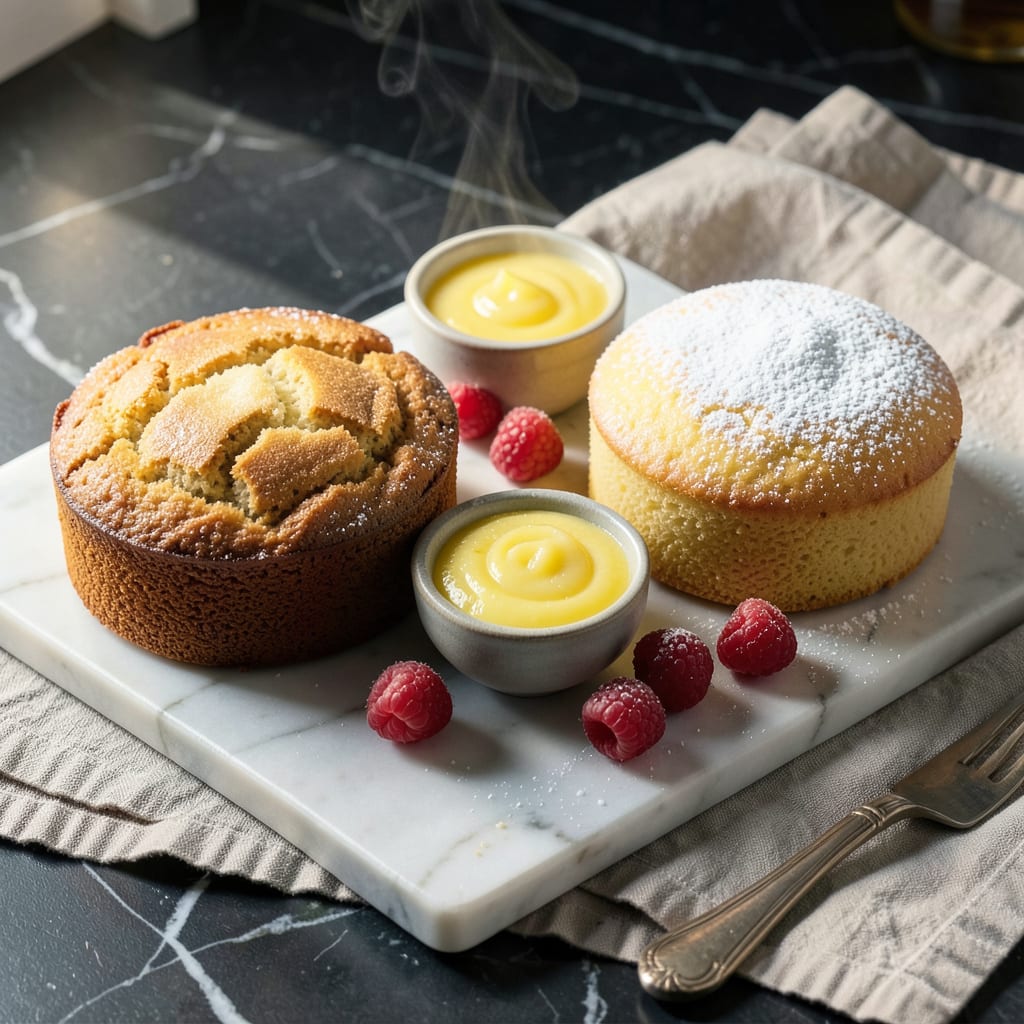
Baking powder’s gradual activation creates finer, more uniform crumb structure in cakes, while bicarbonate of soda’s rapid reaction produces larger, irregular air pockets.
For recipes relying on browning reactions, bicarbonate of soda’s higher pH promotes Maillard browning more aggressively than baking powder. This is why pretzels and some breads specifically call for bicarbonate of soda—they develop that characteristic deep brown crust and distinctive flavor that baking powder can’t replicate. 💫

Trained in classic French technique but raised on slow-cooked ribs and spicy rubs, she blends culinary skill with smoke and soul.
- Recipe for Boneless Pork Chops in Cast Iron Skillet: Sear and Baste to Juicy Perfection - October 3, 2026
- Recipe for Boneless Cross Rib Roast: Slow-Roasted Beef with Herb Crust - October 3, 2026
- Hamburgers in Sauce Recipe Crock Pot: Slow-Cooked Savory Delight - October 3, 2026