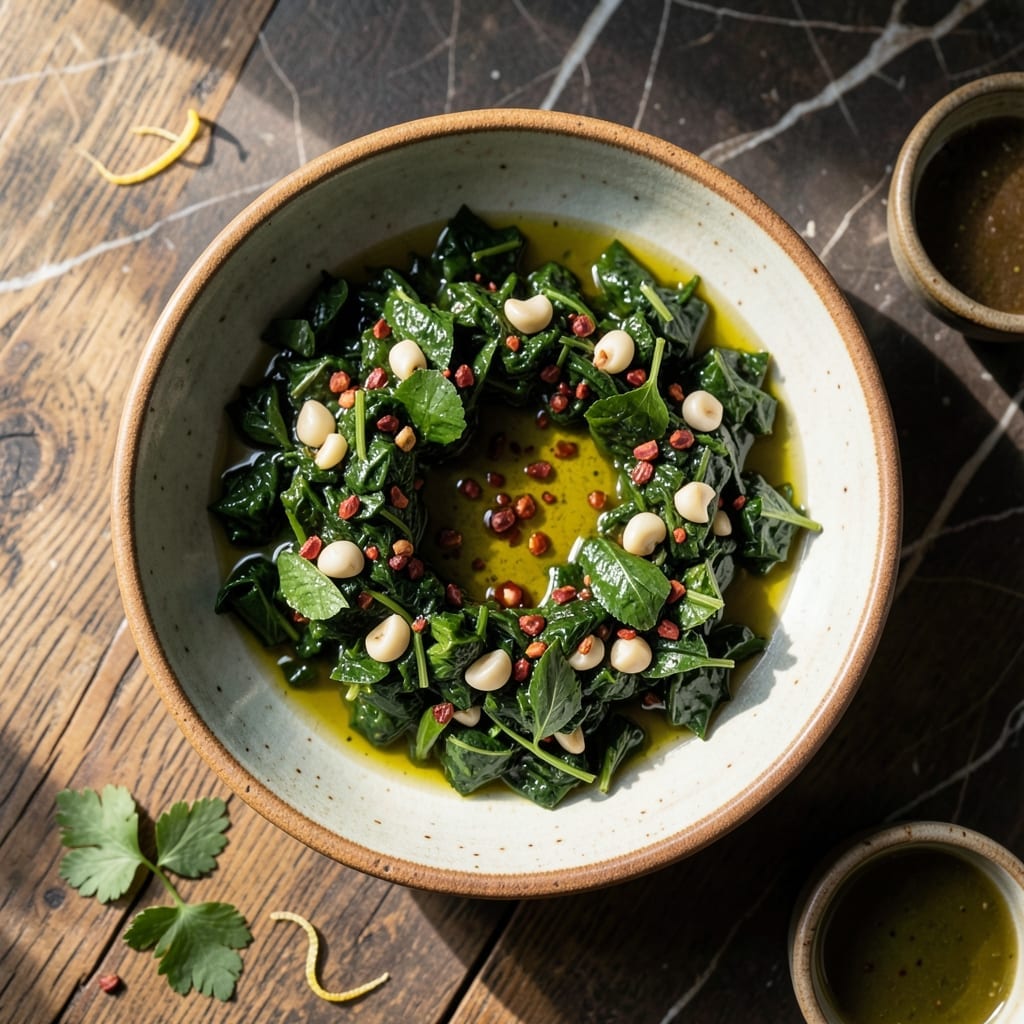
This vibrant green sauce brings the essence of Argentinian asado to your table with its bold, fresh flavors. I developed my version after studying traditional techniques from Buenos Aires pitmasters, focusing on the perfect balance of herbs and acidity.
The key is using fresh parsley and oregano in precise ratios, combined with garlic, red wine vinegar, and olive oil. This isn’t just a condiment—it’s a flavor explosion that transforms simple grilled meats into restaurant-quality dishes.
What makes this creation special is its versatility. It works as a marinade, finishing sauce, or dipping condiment, and keeps beautifully in the fridge for 10 days. The flavors actually improve over time as they meld together.
Serve it with grilled steak, chicken, or even as a dressing for roasted vegetables. Here’s how to make this authentic sauce at home.
Ingredients for Authentic Argentinian Chimichurri
Eight ingredients transform into this vibrant, herb-packed Argentinian classic with bold, fresh flavor.
| Ingredient | Amount | Notes |
|---|---|---|
| Fresh Flat-Leaf Parsley 🌿 | 1 ½ cups | Packed, stems removed |
| Fresh Oregano Leaves 🍃 | ½ cup | Packed, stems removed |
| Garlic Cloves 🧄 | 6 cloves | Peeled, finely minced |
| Red Wine Vinegar 💧 | ⅓ cup | High-quality, aged variety |
| Extra-Virgin Olive Oil 🫒 | ¾ cup | Fruity, high-quality preferred |
| Crushed Red Pepper Flakes 🌶️ | ½ tsp | Adjust for heat preference |
| Sea Salt 🧂 | 1 tsp | Fine grain, to taste |
| Freshly Ground Black Pepper 🌶️ | ½ tsp | To taste |
[recipe_ingredient_scaler]
The herbs are non-negotiable for authenticity. Fresh flat-leaf parsley (not curly) and fresh oregano are the backbone—look for bright green, perky bunches at Whole Foods or farmers markets. Avoid pre-chopped herbs; they lose too much flavor. I always grab extra parsley to keep on hand (it freezes beautifully). For the vinegar, a good Spanish sherry vinegar adds depth, but any red wine vinegar works.
No fresh oregano? Dried Mediterranean oregano at one-third the amount is your best bet—skip the Mexican oregano, it’s a different flavor profile. Out of red wine vinegar? Apple cider vinegar in a pinch, though the flavor shifts slightly. The olive oil should be something you’d enjoy drizzling on bread—California Olive Ranch or Cobram Estate are solid, accessible options. Skip the pre-minced garlic; it’s bitter and lacks punch.
This keeps getting better with time. Store in a glass jar with a tight lid for up to 10 days in the fridge. The flavors meld and mellow beautifully. For longer storage, freeze in ice cube trays for up to 3 months. Just thaw and stir before using.
Why You’ll Love This Recipe
- Minimal Chopping Required: I just toss the parsley, oregano, and garlic into a food processor—no knife skills needed.
- Bright & Zesty: The red wine vinegar cuts through the olive oil with this punchy, herbaceous kick that wakes up any grilled meat.
- Pairs With Everything: I slather it on steak, stir it into roasted veggies, or even drizzle over scrambled eggs for breakfast.
- Keeps for Days: Honestly, it tastes even better the next day after the flavors meld in the fridge.
Step-by-Step Instructions for Argentinian Chimichurri
Here’s the authentic method that delivers vibrant, balanced flavor in every bite.
Step 1: Finely Chop the Herbs and Garlic
Start by removing stems from the 1.5 cups Fresh Flat-Leaf Parsley and 0.5 cup Fresh Oregano Leaves. I like to bunch the herbs and hold them firmly while chopping with a sharp chef’s knife using a rocking motion.
Peel the 6 cloves Garlic Cloves and mince them as finely as possible. The key here is consistency—you want all the herbs and garlic to be uniformly small so they distribute evenly throughout the sauce and no one gets a large bite of raw garlic.
This step should take about 10 minutes and results in a coarse, vibrant green mixture with visible herb flecks. Don’t use a food processor; the blade can over-process the herbs and make them bitter.
Step 2: Combine Herbs with Seasonings
Transfer the chopped herbs and garlic to a medium bowl. Add the 0.5 tsp Crushed Red Pepper Flakes, 1 tsp Sea Salt, and 0.5 tsp Freshly Ground Black Pepper. I use fine grain sea salt here because it dissolves more readily into the final mixture.
Stir everything together with a fork. At this point, the mixture will look dry and uneven—that’s completely normal. The vinegar and oil will bring it together in the next step.
Taste and adjust the salt level now, before adding the liquid ingredients. Remember that the flavors will mellow slightly once the oil and vinegar are incorporated.
Step 3: Add Vinegar and Let It Mellow
Pour the 0.33 cup Red Wine Vinegar over the herb mixture. I always use a high-quality, aged variety for its depth of flavor and balanced acidity. Stir well and let the mixture sit for 10 minutes at room temperature.
This resting period is crucial. The vinegar begins to extract the essential oils from the herbs and garlic, creating a more complex flavor profile. You’ll notice the mixture start to change color slightly as the flavors begin to meld.
After 10 minutes, give it another stir. The herbs will have absorbed some of the vinegar, and the mixture will look slightly darker and more cohesive.
Step 4: Incorporate the Olive Oil
Slowly drizzle in the 0.75 cup Extra-Virgin Olive Oil while stirring constantly with a fork. I prefer a fruity, high-quality oil for this recipe as it complements the fresh herbs beautifully.
Pour the oil in a thin stream rather than all at once. This emulsifies the mixture slightly, creating a more uniform texture. You’ll see the sauce transform from a chunky herb mixture to a vibrant green sauce with visible herb pieces suspended throughout.
Continue stirring for another 30 seconds after all the oil is incorporated to ensure everything is well combined. The final mixture should be thick enough to cling to a spoon but still pourable.
Step 5: Rest and Serve
Let the chimichurri rest at room temperature for at least 30 minutes before serving. This allows all the flavors to fully develop and meld together. I often make it a few hours in advance—the flavors only improve with time.
Give it one final stir before serving. The sauce should have a bright, fresh herb aroma with a balance of acidity from the vinegar and richness from the oil. The crushed red pepper flakes will provide a subtle heat that builds gently.
Serve this over grilled meats, fish, or even as a marinade. The yield makes enough for 4 servings, and it keeps well in the refrigerator for up to a week.
Pro Tips For Making Authentic Argentinian Chimichurri
- Hand Chop Herbs: Skip the food processor—finely chop the parsley and oregano by hand for better texture. I learned this the hard way after ending up with a sad, mushy green paste.
- Use Room-Temp Oil: Pull your olive oil out 30 minutes before mixing. Cold oil mutes the flavors, and you want that rich, grassy punch to shine.
- Balance the Garlic: Roast the garlic cloves first or soak raw minced garlic in the vinegar for 10 minutes to mellow the bite. My grandmother swore by this, and she was right: it keeps the chimichurri from tasting harsh.
- Rest Before Serving: Let the chimichurri sit at room temperature for at least 1 hour before using. Sounds weird, but it works—the flavors meld and deepen, especially the oregano.
Flavor Customization for This Dish
Spice Level Adjustments
For a milder version, reduce crushed red pepper flakes to ¼ tsp or omit entirely. I often do this when serving to guests with sensitive palates. The sauce still packs plenty of flavor without the heat.
Herb Variations
Add 2 tbsp fresh cilantro for a citrusy twist that pairs wonderfully with fish. Or swap ½ cup parsley for mint when serving with lamb. I forage wild mint along the coast for a unique touch. 🌿
Acidity Balance
Prefer more tang? Increase red wine vinegar to ½ cup. For a smoother profile, use sherry vinegar instead. I learned this trick from Spanish pitmasters at local competitions.
Garlic Lovers
Double the garlic cloves to 12 for a bolder punch. Roast half of them first for a deeper, sweeter flavor. This works especially well as a marinade for tougher cuts of meat.
Oil Preferences
For a richer finish, use avocado oil instead of olive oil. Its neutral taste lets the herbs shine. I source mine from California Olive Ranch for consistent quality. ✨
Citrus Addition
Add 1 tbsp lemon zest with the herbs for brightness. This variation pairs beautifully with grilled chicken. The citrus oils enhance the fresh herb flavors wonderfully.
Nutrition Facts
Frequently Asked Questions
Can I use dried herbs instead of fresh?
Fresh herbs are essential for authentic flavor, but in a pinch, use dried Mediterranean oregano at 1/3 the amount. Skip dried parsley entirely as it loses too much potency.
How long should I let it sit before serving?
Rest at room temperature for at least 30 minutes to let flavors meld. For best results, refrigerate overnight. The acidity mellows beautifully with time.
What’s the best way to store leftover sauce?
Transfer to a glass jar with a tight lid. It keeps in the fridge for up to 10 days. For longer storage, freeze in ice cube trays for 3 months.
Can I make it ahead for a party?
Prepare it 1-2 days in advance. The flavors deepen as it rests, making it even more delicious for your guests.

Trained in classic French technique but raised on slow-cooked ribs and spicy rubs, she blends culinary skill with smoke and soul.
- Recipe for Boneless Pork Chops in Cast Iron Skillet: Sear and Baste to Juicy Perfection - October 3, 2026
- Recipe for Boneless Cross Rib Roast: Slow-Roasted Beef with Herb Crust - October 3, 2026
- Hamburgers in Sauce Recipe Crock Pot: Slow-Cooked Savory Delight - October 3, 2026