The back of a Bisquick box features classic recipes like biscuits, pancakes, and dumplings, plus quick meal ideas using the mix. It’s a go-to resource for easy, time-tested dishes with simple instructions and minimal ingredients.
I love how this little box transforms into a kitchen lifesaver when you’re short on time or ingredients. 🔥 The recipes are designed for foolproof results—think fluffy biscuits with just 2 cups of mix and milk, or pancakes that come together faster than you can preheat the griddle. What’s brilliant is how the pre-measured fat (that signature shortening) eliminates the guesswork, so even novice bakers get consistent texture every time.
Beyond the basics, I’ve seen home cooks use these recipes as jumping-off points for creativity—adding cheese to dumplings or folding berries into pancake batter. The real magic? These dishes have been perfected over generations, so you’re essentially getting grandma-approved shortcuts without the trial and error.
💡 In This Article
- Why Bisquick Box Recipes Have Stood the Test of Time
- Creative Ways to Use Bisquick Beyond the Box Recipes
Why Bisquick Box Recipes Have Stood the Test of Time
The secret lies in the science of the pre-mixed formula. Bisquick combines flour, fat (shortening), salt, and leavening agents in precise ratios—eliminating the most common baking pitfalls. The shortening is hydrogenated, which means it remains solid at room temperature, creating tiny pockets in the dough that expand during baking.
This gives biscuits their signature flaky layers and pancakes that perfect tender crumb. 🔥
What most people don’t realize is that the fat content (about 12-15% by weight) is higher than traditional recipes, which compensates for home cooks’ tendency to overmix. The pre-measured leavening (baking powder) is calibrated to work with the mix’s acidity level, ensuring consistent rise every time.
Compare this to scratch recipes where you might accidentally use expired baking powder or mismeasure—Bisquick removes those variables.
The recipes became household staples because they were developed during the Great Depression when efficiency mattered most. General Mills’ food scientists created a product that required just 2-3 additional ingredients (like milk or water) to make complete dishes. This was revolutionary in an era when women were entering the workforce and needed quick, reliable meals.
The 1930s “Impossible Pie” recipe (still on boxes today) exemplifies this genius—it forms its own crust during baking!
Modern food science confirms why these recipes still work. The mix’s protein content (8-10%) is lower than all-purpose flour, making it more forgiving for overworking. The shortening’s melting point (115-120°F) is higher than butter, so it creates steam pockets that lift baked goods more effectively.
Even the particle size of the flour is optimized—finer than standard flour to distribute evenly when hydrated.
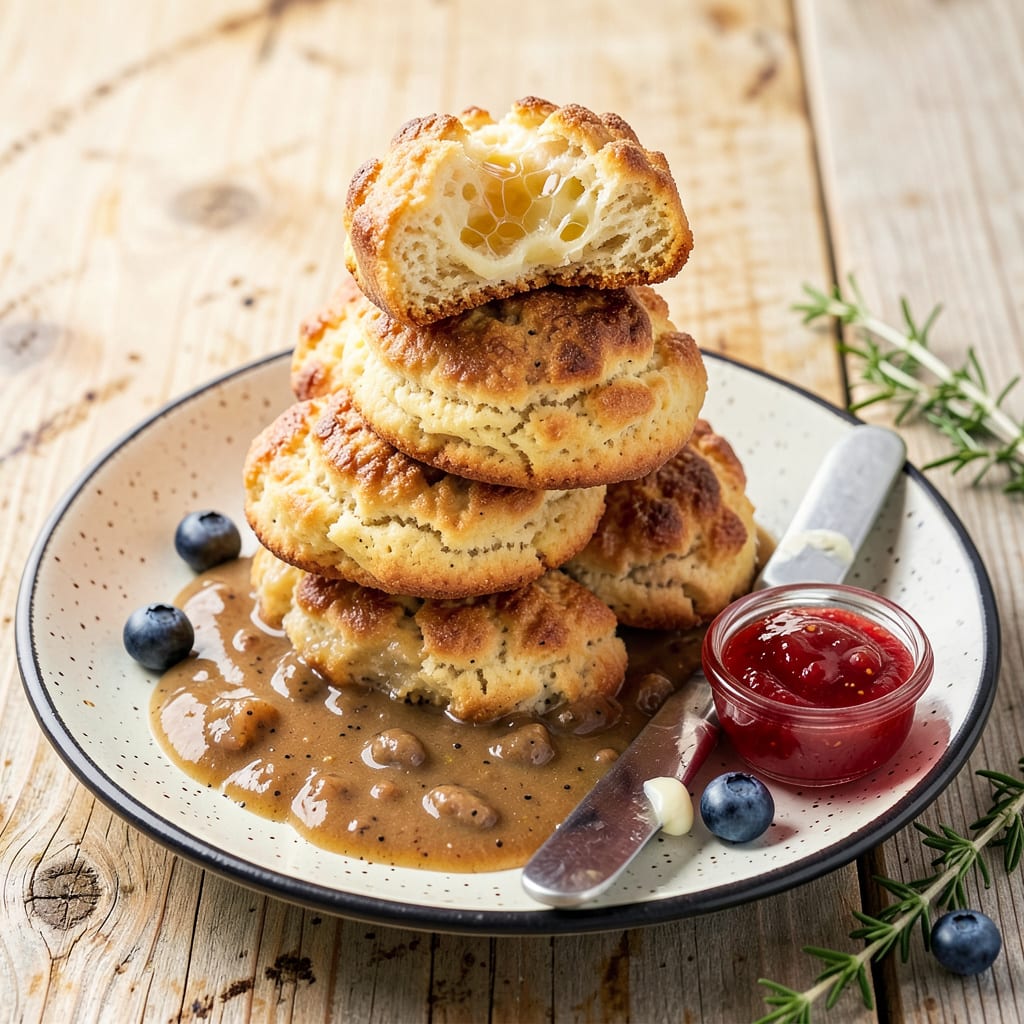
Consider the iconic biscuit recipe: 2 cups mix + 2/3 cup milk, baked at 450°F for 8-10 minutes. The high oven temperature causes rapid steam formation from the milk, while the pre-distributed fat creates those coveted flaky layers.
Home cooks in the 1940s didn’t understand food science, but they knew this “just add liquid” method worked every time—something professional test kitchens still can’t always achieve with scratch recipes.
The dumpling recipe demonstrates another clever application. When dropped into simmering broth, the mix’s starch absorbs liquid gradually while the fat prevents gumminess. The result? Pillowy dumplings that cook in 10-12 minutes without stirring—perfect for busy cooks.
This same principle applies to the “Impossible” cobbler recipes where the mix forms both crust and topping simultaneously during baking.
What’s truly remarkable is how these recipes adapt across altitudes and humidities. The pre-measured ingredients account for environmental variables that typically plague bakers. Mountain dwellers and sea-level cooks get equally good results because the leavening and fat ratios are balanced for average conditions.
That’s why your grandma’s Bisquick pancakes in Colorado taste just as good as yours in Florida! ✨

Trained in classic French technique but raised on slow-cooked ribs and spicy rubs, she blends culinary skill with smoke and soul.
- Recipe for Boneless Pork Chops in Cast Iron Skillet: Sear and Baste to Juicy Perfection - October 3, 2026
- Recipe for Boneless Cross Rib Roast: Slow-Roasted Beef with Herb Crust - October 3, 2026
- Hamburgers in Sauce Recipe Crock Pot: Slow-Cooked Savory Delight - October 3, 2026