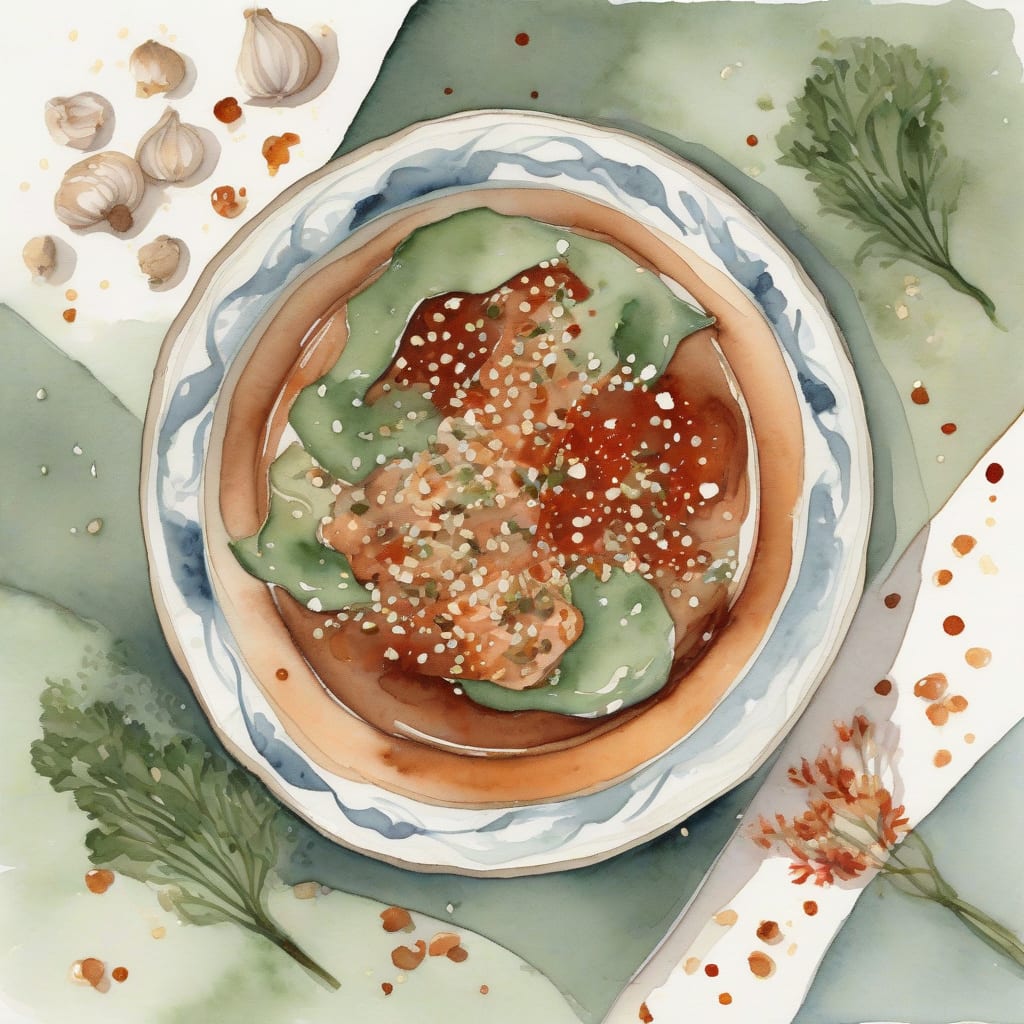
As a pitmaster with a passion for blending traditional techniques with modern flavors, I’m excited to share my Banchan Japanese BBQ Sauce recipe. This umami-rich sauce is designed to elevate your grilled meats and vegetables with a depth of flavor that’s hard to achieve with store-bought alternatives.
The secret to this sauce lies in its carefully balanced blend of ingredients, including soy sauce, sake, and mirin, which provide a rich, savory flavor profile. By simmering these ingredients together with aromatics like garlic and ginger, we create a complex sauce that’s both aromatic and velvety.
What sets this sauce apart is its versatility – use it as a marinade, a glaze, or a dipping sauce to add a boost of Japanese-inspired flavor to your BBQ. With a preparation time of just 20 minutes, you can have this delicious sauce ready to enhance your next outdoor cooking session.
Whether you’re grilling meat, seafood, or vegetables, this Banchan Japanese BBQ Sauce is sure to become a staple in your outdoor cooking repertoire. Its rich, savory flavor will elevate your dishes and leave your guests wanting more.
Ingredients for Banchan Japanese Bbq Sauce
Eight ingredients come together to create this rich, savory Japanese BBQ sauce.
| Ingredient | Amount | Notes |
|---|---|---|
| Soy Sauce 💧 | 1 cup | Use low-sodium for better control |
| Sake 🍶 | ½ cup | Dry sake preferred for authenticity |
| Mirin 🍶 | ¼ cup | Sweet Japanese cooking wine |
| Rice Vinegar 🍋 | 2 tbsp | Unseasoned rice vinegar preferred |
| Brown Sugar 🍮 | 2 tbsp | Dark brown for richer flavor |
| Garlic Cloves 🧄 | 4 cloves | Minced for better flavor release |
| Fresh Ginger 🌿 | 2 tbsp | Grate before using |
| Sesame Oil 🫒 | 1 tbsp | Toasted for nutty flavor |
For the best flavor, use high-quality soy sauce like Kikkoman or Yamasa. Sake and mirin are essential for that authentic Japanese taste—look for them in the international section or at an Asian market. Fresh ginger makes a difference, so grate it yourself rather than using pre-ground.
No sake? Chinese rice wine or dry sherry can substitute, though the flavor will be slightly different. For a spicier kick, add 1-2 teaspoons of gochujang. If you prefer a thicker sauce, reduce the rice vinegar to 1 tablespoon or simmer it a bit longer.
Store this sauce in an airtight container in the fridge for up to 2 weeks. It thickens as it cools, so thin it with a little water if needed. Freezing is not recommended as it may affect the texture. Before using, give it a good stir to re-emulsify the ingredients.
Why You’ll Love This Recipe
- Quick Sauce Fix: I can whip up this Banchan Japanese BBQ Sauce in under 20 minutes, and it’s a total game-changer for weeknight meals.
- Umami Bomb: The combination of Soy Sauce, Sake, and Mirin creates a ridiculously good umami flavor that elevates any grilled meat or veggie.
- Meal Prep Magic: I love making a big batch of this sauce on the weekend and using it throughout the week – it’s perfect for meal prep and adds variety to my lunches and dinners.
- Pantry Staple: This sauce keeps well in the fridge for weeks, so I can make a big batch and use it as needed – it’s my secret weapon for adding depth to stir-fries, noodle dishes, and more.
Step-by-Step Instructions for Banchan Japanese BBQ Sauce
Creating this umami-rich BBQ sauce is straightforward and rewarding. Let’s dive into the process.
Step 1: Combine Liquid Ingredients and Sugar
In a medium saucepan, combine the 1 cup Soy Sauce, 0.5 cup Sake, 0.25 cup Mirin, 2 tbsp Rice Vinegar, and 2 tbsp Brown Sugar. I like to use a whisk to ensure the sugar dissolves completely into the liquid ingredients. This mixture forms the base of your BBQ sauce, providing a rich umami flavor that’s characteristic of Japanese BBQ.
As you whisk, you’ll notice the sugar starts to dissolve almost immediately. Keep whisking until you no longer feel any grittiness at the bottom of the pan. This step is crucial for a smooth sauce.
Step 2: Add Aromatics and Simmer
Add the 4 cloves Garlic Cloves and 2 tbsp Fresh Ginger to the saucepan. The aroma of garlic and ginger will start to meld with the other ingredients as they simmer. Bring the mixture to a medium boil over medium-high heat, then reduce the heat to medium-low and let it simmer for 10-12 minutes. You’ll notice the sauce thickening slightly and reducing by about 1/4 cup.
During this simmering process, the flavors will concentrate, and the sauce will develop a deeper, richer taste. Keep an eye on the heat to prevent it from boiling too vigorously, which can cause the sauce to reduce too much.
Step 3: Strain and Finish with Sesame Oil
Remove the saucepan from the heat and strain the sauce through a fine-mesh sieve into a clean bowl. Discard the solids. I find that straining the sauce at this stage ensures a smooth, velvety texture that’s perfect for glazing meats or as a dipping sauce.
Once strained, whisk in the 1 tbsp Sesame Oil. The sesame oil adds a nutty flavor and a silky finish to the BBQ sauce. This final touch enhances the overall depth and complexity of the sauce, making it truly special.
Step 4: Cool and Store
Allow the BBQ sauce to cool to room temperature before transferring it to an airtight container. I prefer to use glass jars with tight-fitting lids for storing sauces like this. Once cooled and stored properly, the sauce will keep in the refrigerator for up to 2 weeks. You can also freeze it for longer storage.
As the sauce cools, it will thicken further, achieving the perfect consistency for brushing onto meats during grilling or BBQing. This sauce is incredibly versatile and can be used with a variety of dishes, from grilled meats to vegetables.
Pro Tips For Making Banchan Japanese Bbq Sauce
- Reduce Slowly: To get that perfect thick consistency in your Banchan Japanese BBQ sauce, reduce the mixture slowly over low heat, stirring occasionally. I learned this the hard way—rushing it can lead to a burnt mess.
- Balance Your Vinegar: When using Rice Vinegar, start with a smaller amount than you think you’ll need, as its acidity can quickly overpower the other flavors. You can always add more to taste, but you can’t take it away once it’s added.
- Don’t Skip Straining: Straining your sauce through a fine-mesh sieve after it’s cooled can make a real difference in the texture, removing any sediment and giving it a smoother finish. My grandmother swore by this, and she was right: it elevates the whole dish.
- Simmer with Sake: When adding Sake to the sauce, make sure to simmer it long enough to cook off the alcohol—about 5-7 minutes. This will mellow out the flavor and prevent it from being too boozy, ensuring a richer, more balanced BBQ sauce.
Serving Suggestions for This Dish
Grilled Meat Pairings
This Banchan Japanese BBQ Sauce is perfect for grilled meats like bulgogi beef, yakitori chicken, or grilled pork belly. The sweet and savory flavors complement the charred exterior of grilled meats beautifully. I love using it with thinly sliced ribeye for a quick and flavorful dinner. 🔥
Vegetable Enhancements
Don’t limit this sauce to meats – it’s fantastic on grilled vegetables like shiitake mushrooms, zucchini, or bell peppers. Brush it on during the last few minutes of grilling for a flavor boost. You can also use it as a dip for roasted vegetables. The umami flavor adds depth to plant-based dishes.
Noodle and Rice Dishes
Use this sauce as a topping for steamed rice, noodle bowls, or bibimbap. It adds a rich, savory layer that elevates simple grain dishes into something special. Try mixing it with gochujang for an extra spicy kick. I often drizzle it over my rice bowls for added flavor.
Marinade Magic
This sauce doubles as an excellent marinade for meats and vegetables. Let your protein of choice marinate for at least 30 minutes to absorb the flavors. For deeper penetration, you can marinate overnight in the refrigerator. The result is tender, flavorful food that’s perfect for grilling or roasting.
Dipping Sauce Delight
Serve this sauce as a dipping sauce alongside grilled meats or tempura. Its thick, velvety texture makes it perfect for dipping. You can also thin it out with a bit of water or broth to create a more pourable sauce for drizzling over dishes. I like to serve it with tempura bits for a delicious snack.
Creative Uses
Get creative with this sauce by using it as a glaze for roasted meats or as a flavor enhancer in stir-fries. Its versatility makes it a valuable addition to your condiment collection. Experiment with different applications to find your favorite ways to use it. The possibilities are endless!
Nutrition Facts
Frequently Asked Questions
Can I adjust the sweetness level in this BBQ sauce?
Yes, you can adjust the sweetness by modifying the amount of mirin and brown sugar. For a less sweet version, reduce the mirin to 2 tablespoons and keep the brown sugar at 1 tablespoon. For a sweeter version, increase the brown sugar to 3 tablespoons. The sauce will thicken as it cools, so adjust accordingly.
How long does this BBQ sauce keep in the refrigerator?
This Banchan Japanese BBQ Sauce will keep in the refrigerator for up to 2 weeks when stored in an airtight container. Give it a good stir before using, as the ingredients may separate over time. If you won’t be using it within 2 weeks, consider freezing it for longer storage.
Can I make this sauce without sake?
Yes, you can substitute sake with Chinese rice wine or dry sherry if you don’t have sake on hand. Keep in mind that the flavor will be slightly different, but it will still be delicious. The sake adds a unique depth to the sauce, but these substitutes will work in a pinch.
Is this BBQ sauce suitable for vegan diets?
This Banchan Japanese BBQ Sauce is vegan-friendly as long as you use a vegan-friendly soy sauce. Some soy sauces contain animal products, so be sure to check the ingredients. Most major brands are vegan, but it’s always best to verify. The other ingredients are naturally vegan.

Trained in classic French technique but raised on slow-cooked ribs and spicy rubs, she blends culinary skill with smoke and soul.
- Recipe for Boneless Pork Chops in Cast Iron Skillet: Sear and Baste to Juicy Perfection - October 3, 2026
- Recipe for Boneless Cross Rib Roast: Slow-Roasted Beef with Herb Crust - October 3, 2026
- Hamburgers in Sauce Recipe Crock Pot: Slow-Cooked Savory Delight - October 3, 2026