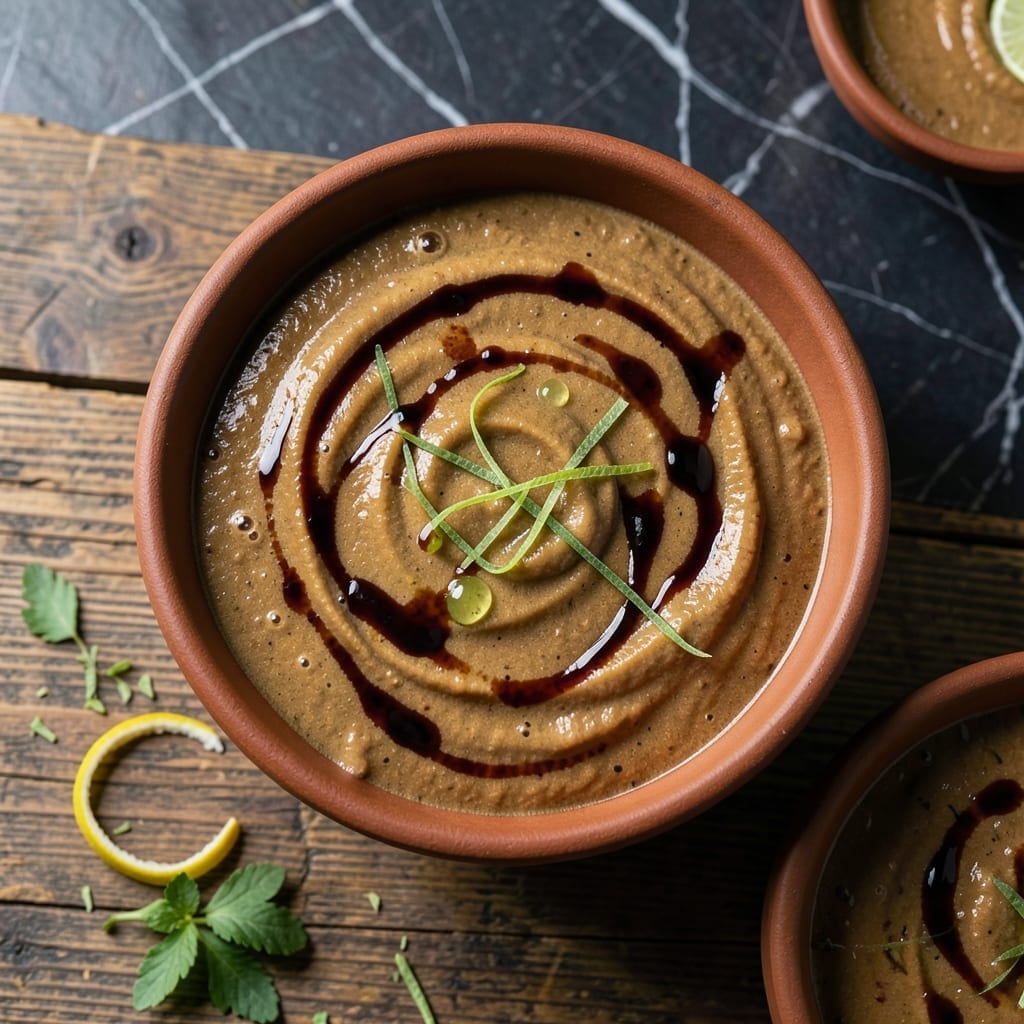
This sauce combines the smoky depth of barbecue with the rich creaminess of peanuts for a uniquely bold flavor. I developed it to add complexity to grilled meats and vegetables without overpowering them.
The secret is balancing sweet, tangy, and nutty elements through careful ingredient selection. It comes together in 10 minutes with simple pantry staples, delivering restaurant-quality results every time.
Ingredients for Barbecue Peanut Sauce
Ten pantry staples for a bold, nutty, smoky dip that beats takeout every time.
| Ingredient | Amount | Notes |
|---|---|---|
| Creamy Peanut Butter 🥜 | ¾ cup | Unsweetened, natural style preferred |
| Barbecue Sauce 🍯 | ½ cup | Smoky, tangy variety |
| Soy Sauce 🫙 | 2 tbsp | Low-sodium for balance |
| Rice Vinegar 🍶 | 1 tbsp | Or apple cider vinegar |
| Maple Syrup 🍁 | 2 tbsp | Pure, not pancake syrup |
| Fresh Lime Juice 🍋 | 1 tbsp | Zest reserved for garnish |
| Sesame Oil 🫒 | 1 tsp | Toasted for depth |
| Minced Garlic 🧄 | 2 cloves | Freshly minced preferred |
| Fresh Ginger 🌿 | 1 tsp | Peeled, finely grated |
| Red Pepper Flakes 🌶️ | ¼ tsp | Adjust for heat preference |
[recipe_ingredient_scaler]
The peanut butter is the heart of this, so skip the sugar-laden stuff. Look for natural, unsweetened at Trader Joe’s or Whole Foods—just peanuts and maybe salt. The barbecue sauce should lean smoky, not sweet; Stubb’s Original is my go-to. Fresh ginger and garlic make a difference here (the jarred kind works in a pinch, but fresh is brighter).
No peanut butter? Raw cashew butter works but needs thinning with water. Swap soy sauce for tamari if you need gluten-free. Maple syrup can be agave or date syrup. If you’re missing rice vinegar, half the amount of lemon juice plus a pinch of sugar gets you close. The sesame oil is optional but adds that restaurant-quality depth.
Stores in the fridge for 1 week—the flavors deepen overnight. Freezes for 3 months in portions. Stir before using, as the peanut butter will settle. Double the batch if you’ve got a crowd coming (it disappears fast).
Why You’ll Love This Recipe
- Five-Minute Magic: I stir together peanut butter, barbecue sauce, and a splash of soy in the same bowl I’ll serve from—no extra dishes, no fuss.
- Sweet-Smoky Addiction: The maple syrup and rice vinegar cut through the richness, giving that sticky, tangy balance that keeps me sneaking spoonfuls.
- Drizzle on Everything: I’ve slathered it on chicken skewers, tossed it with cold noodles, and used it as a dip for crudités—it never feels out of place.
- Keeps for Days: I make a double batch on Sunday and it’s still spot-on by Thursday, so I’m never scrambling for a quick flavor boost.
Step-by-Step Instructions for Barbecue Peanut Sauce
This comes together in minutes with just a bowl and a whisk.
Step 1: Combine the Nutty Base
In a medium mixing bowl, measure out the 0.75 cup Creamy Peanut Butter—I prefer the natural, unsweetened style here. The oil separation is normal; just give it a good stir before measuring to incorporate everything evenly.
Add the 0.5 cup Barbecue Sauce directly on top. I like using a smoky, tangy variety for depth, but any style will work as long as it’s a brand you enjoy. These two ingredients form the rich, sticky foundation of your sauce.
Step 2: Add the Savory and Tangy Elements
Next, pour in the 2 tbsp Soy Sauce and 1 tbsp Rice Vinegar. The soy sauce brings salty umami depth, while the rice vinegar adds a bright, clean acidity to balance the richness. If you don’t have rice vinegar, apple cider vinegar works as a substitute.
Drizzle in the 1 tsp Sesame Oil—this is the secret weapon. A little goes a long way, adding a deep, toasty aroma that ties all the flavors together. Stir gently after each addition to begin incorporating the liquids.
Step 3: Sweeten and Spice the Mixture
Now, add the 2 tbsp Maple Syrup and 1 tbsp Fresh Lime Juice. The maple syrup brings natural sweetness that complements the peanut butter, while the lime juice brightens everything up. Make sure you’re using pure maple syrup, not pancake syrup, for the best flavor.
Sprinkle in the 0.25 tsp Red Pepper Flakes, then add the 2 cloves Minced Garlic and 1 tsp Fresh Ginger. The garlic and ginger should be freshly minced and grated for maximum punch. These ingredients add warmth and a subtle heat that builds as the sauce sits.
Step 4: Whisk Until Smooth and Creamy
Using a whisk, vigorously combine all the ingredients until the sauce is completely smooth and uniform in color. The peanut butter will resist at first, but keep whisking—it’ll come together into a glossy, pourable consistency.
If the sauce seems too thick, add a teaspoon of warm water and whisk again. Taste and adjust seasoning if needed, though the balance of sweet, tangy, spicy, and nutty should already be spot-on. Let it sit for 10 minutes before serving to allow the flavors to meld.
Pro Tips For Making Barbecue Peanut Sauce
- Warm the Peanut Butter: I learned this the hard way—microwave the peanut butter for 20-30 seconds before mixing, or you’ll be stirring a thick, stubborn paste for 10 minutes.
- Balance the Sweetness: After my first batch tasted like candy, I started adding a splash of rice vinegar to cut the maple syrup’s richness—about 1 tablespoon does the trick.
- Skip the Cheap BBQ Sauce: Sounds weird, but it works: use a smoky, high-quality barbecue sauce; the cheap stuff makes the whole sauce taste flat and artificial.
- Thin Gradually: If the sauce is too thick, add warm water 1 teaspoon at a time—I ruined a batch by dumping in too much at once and ended up with peanut soup.
Dietary Considerations for This Dish
Vegan and Gluten-Free
This sauce is naturally 100% vegan as written, with no animal products in any ingredient. The creamy texture comes entirely from peanut butter, while maple syrup provides plant-based sweetness. I love that it delivers such rich flavor without dairy or eggs. 💪
Gluten-Free Option
To make this gluten-free, simply swap the soy sauce for tamari—it has the same umami depth but is wheat-free. I pick up San-J Tamari at my local market. The barbecue sauce must also be certified gluten-free; Stubb’s offers a great version.
Allergen Considerations
Peanuts are the primary allergen here, so this isn’t suitable for those with nut allergies. For nut-free alternatives, try sunflower seed butter instead of peanut butter. The texture will differ slightly but the flavor profile remains similar.
Lower Sugar Version
To reduce sugar, cut the maple syrup to 1 tbsp and use unsweetened peanut butter. I also recommend adding an extra ½ tsp rice vinegar to balance the reduced sweetness. The sauce will be less sweet but still deeply flavorful.
Low Sodium Adjustments
For a low-sodium version, use low-sodium soy sauce (or tamari) and choose a reduced-sodium barbecue sauce. I’ve had good results with Annie’s Organic in a pinch. Taste as you go and adjust seasoning carefully.
Spice Level Customization
Control the heat by adjusting the red pepper flakes. Omit entirely for a mild sauce, or increase to ½ tsp for serious kick. I often add a dash of sriracha for extra heat and complexity. 🌶️
Nutrition Facts
Frequently Asked Questions
Can I use crunchy peanut butter instead?
Yes, but the texture will be grainier. For a smoother sauce, stick with creamy. If you love the crunch, blend it briefly to break up the peanut pieces.
How long does it keep in the fridge?
Store in an airtight container for up to 1 week. The flavors deepen over time, so it tastes even better the next day. Stir before using.
Can I make this ahead for a party?
Prepare it 1-2 days in advance for the best flavor. Let it sit at room temperature for 30 minutes before serving to soften.
What if my sauce is too thick?
Thin it with warm water, 1 tsp at a time, until it reaches your desired consistency. Avoid adding too much at once.

Trained in classic French technique but raised on slow-cooked ribs and spicy rubs, she blends culinary skill with smoke and soul.
- Recipe for Boneless Pork Chops in Cast Iron Skillet: Sear and Baste to Juicy Perfection - October 3, 2026
- Recipe for Boneless Cross Rib Roast: Slow-Roasted Beef with Herb Crust - October 3, 2026
- Hamburgers in Sauce Recipe Crock Pot: Slow-Cooked Savory Delight - October 3, 2026