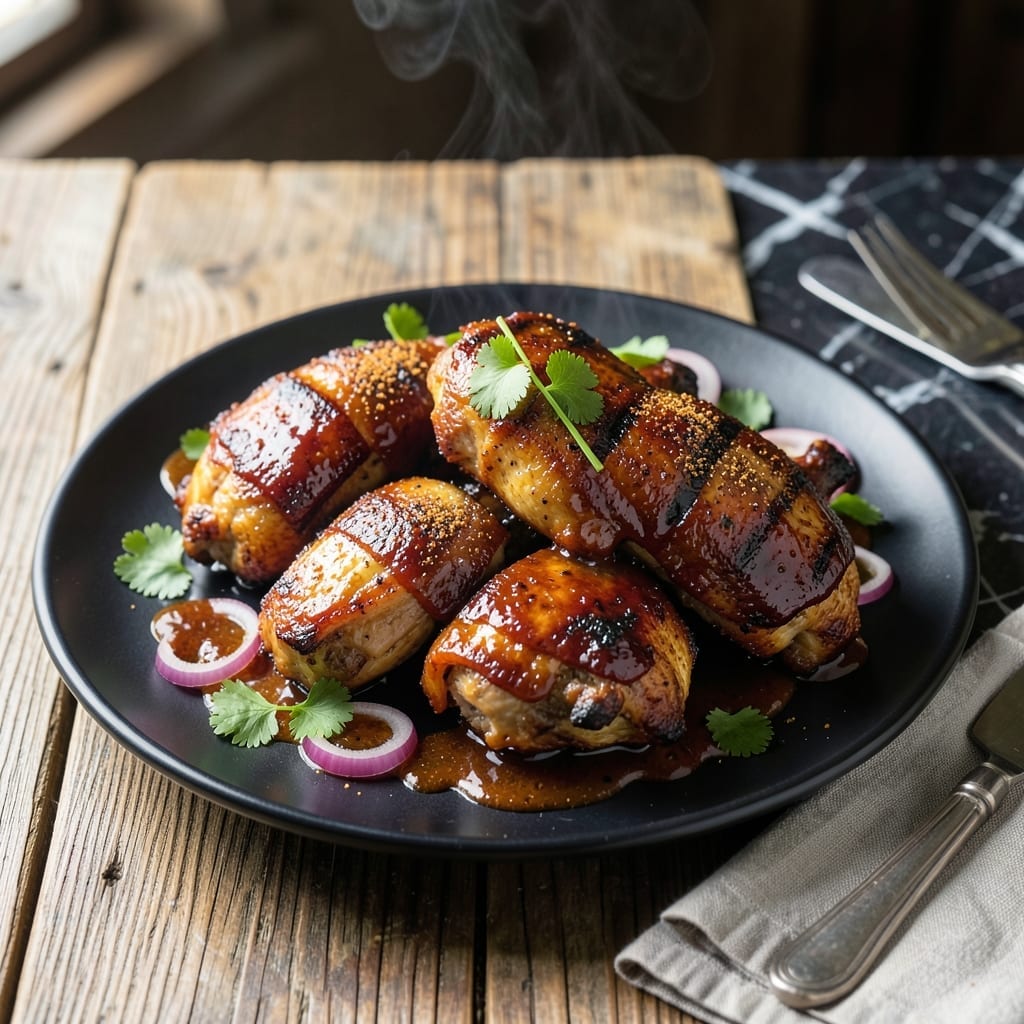
This barbecue sauce delivers the perfect balance of smoky, sweet, and tangy flavors to elevate any grilled chicken. A blend of classic spices and a touch of vinegar create depth that stores can’t match.
With just 10 minutes of prep, you’ll have a versatile sauce that works as a marinade, baste, or dipping sauce. Its bold profile turns simple chicken into a standout dish.
Ingredients for Barbecue Sauce Recipe for Chicken
Ten ingredients for a sauce that beats anything from a bottle. bold and versatile.
| Ingredient | Amount | Notes |
|---|---|---|
| Ketchup 🍅 | 2 cups | High-quality for base flavor |
| Apple Cider Vinegar 🍏 | ½ cup | For tangy brightness |
| Brown Sugar 🍚 | ½ cup | Light or dark works |
| Molasses 🫒 | 2 tbsp | Adds depth of flavor |
| Worcestershire Sauce 💧 | 2 tbsp | For umami richness |
| Smoked Paprika 🌶️ | 1 tbsp | Essential for smokiness |
| Garlic Powder 🧄 | 1 tsp | Not garlic salt |
| Onion Powder 🧅 | 1 tsp | Balances sweetness |
| Dry Mustard 🌿 | 1 tsp | For subtle heat |
| Salt 🧂 | 1 tsp | Adjust to taste |
| Black Pepper 🌶️ | ½ tsp | Freshly ground preferred |
[recipe_ingredient_scaler]
The ketchup is your base, so splurge on a good brand—Heinz or Hunt’s work great. Brown sugar is key for that caramelized edge on grilled chicken (don’t skip it). Most grocery stores carry molasses near the baking aisle—Grandma’s is a solid pick. Smoked paprika is non-negotiable here; it’s what gives that authentic barbecue depth. Look for it in the spice section at Whole Foods or Kroger.
No molasses? Honey at the same amount works in a pinch, but it’s slightly sweeter. Swap apple cider vinegar for white vinegar at half the quantity if that’s what you’ve got. Vegetarian Worcestershire (like Annie’s) keeps it meat-free. If you’re out of smoked paprika, regular paprika plus a pinch of liquid smoke gets close. The garlic and onion powders can be fresh if you’re in a bind—just use 1 clove minced garlic and 2 tbsp minced onion.
This keeps in the fridge for 2 weeks in a sealed jar, or 3 months frozen. The flavors meld and deepen over time, so make extra. I always double the batch—it’s that good (and you’ll use it fast).
Why You’ll Love This Recipe
- 5-Minute Mix: I just dump everything in a saucepan—ketchup, vinegar, brown sugar, molasses, Worcestershire—and let it simmer while I prep the chicken.
- Sweet & Tangy Balance: The molasses adds this deep, rich sweetness that plays perfectly against the apple cider vinegar’s sharpness. Honestly, it’s the reason I make this weekly.
- Grill or Oven Flex: I slather it on chicken thighs for the grill or use it for baked drumsticks when it’s raining. Between us, it works both ways without fail.
- Budget Stretcher: A batch costs pennies compared to store-bought, and I always have the ingredients on hand. Leftovers? They keep for two weeks—if they last that long.
Step-by-Step Instructions for Barbecue Sauce for Chicken
Super easy method—just combine, simmer, and you’re done.
Step 1: Combine All Ingredients in a Saucepan
In a medium saucepan, add the 2 cups ketchup, 0.5 cup apple cider vinegar, 0.5 cup brown sugar, 2 tbsp molasses, and 2 tbsp Worcestershire sauce. Stir well to break up the brown sugar and ensure everything blends smoothly.
Then add the 1 tbsp smoked paprika, 1 tsp garlic powder, 1 tsp onion powder, 1 tsp dry mustard, 1 tsp salt, and 0.5 tsp black pepper. Mix thoroughly so the spices distribute evenly. This ensures every bite is packed with bold, balanced flavor.
Step 2: Simmer Until Thickened
Place the saucepan over medium heat and bring the mixture to a gentle simmer. Stir frequently to prevent sticking, especially as the sugar begins to dissolve and meld with the other ingredients.
Once simmering, reduce the heat to medium-low and let it cook for 15-20 minutes. You’ll notice the sauce darken and thicken slightly as it reduces. The goal is a glossy, smooth consistency that coats the back of a spoon.
Step 3: Adjust Seasoning and Cool Slightly
After simmering, taste the sauce and adjust the seasoning if needed. If you prefer a tangier sauce, add a splash more apple cider vinegar. For extra sweetness, stir in a little more brown sugar. Remember, the flavors will deepen as it cools.
Remove the saucepan from the heat and let the sauce cool for 10-15 minutes. As it cools, it will thicken further, reaching the perfect consistency for brushing on chicken. This resting time also allows the flavors to meld completely.
Step 4: Use or Store the Sauce
Once cooled, the sauce is ready to use. Brush it generously onto chicken during the last 5-10 minutes of grilling to create a sticky, caramelized glaze. The sugars in the sauce will char slightly, adding depth and a beautiful sheen to your dish.
If not using immediately, transfer the sauce to an airtight container. It will keep in the refrigerator for up to 2 weeks. For best results, let it come to room temperature before using it on cold chicken straight from the fridge.
Pro Tips For Making Barbecue Sauce Recipe For Chicken
- Simmer Low and Slow: Cook the sauce on medium-low heat for at least 15-20 minutes—this lets the brown sugar and molasses meld without burning. I learned this the hard way after scorching three batches trying to rush it.
- Balance the Vinegar: Start with half the apple cider vinegar, taste, then add more if needed. Too much upfront can overpower the ketchup and Worcestershire, and you can’t take it out once it’s in.
- Skip the Raw Sugar: Dissolve the brown sugar in a splash of warm water before adding it to the pot. Sounds fussy, but it prevents grainy sauce and saves you from stirring forever.
- Rest Before Serving: Let the sauce sit for 10 minutes off the heat before using it on chicken—this lets the flavors deepen and thicken slightly. My grandmother swore by this, and she was right.
Essential Equipment for barbecue sauce recipe for chicken
Saucepan Selection
I always reach for my 3-quart stainless steel All-Clad saucepan for this sauce. Its heavy base prevents hot spots that could scorch the sugar. A medium saucepan gives enough room for stirring without risking spills as it bubbles. 🔥
Whisk or Spoon
A silicone whisk is my tool of choice—it scrapes the bottom without scratching non-stick surfaces. If you don’t have one, a wooden spoon works well too. Just avoid metal utensils that can react with acidic ingredients like vinegar.
Measuring Tools
Accurate measurements matter here. I use OXO Good Grips measuring cups for liquids and stainless steel tablespoon set for spices. The brown sugar needs to be packed firmly—don’t just scoop and level, or your sauce might taste bland.
Thermometer Option
While not essential, a candy thermometer helps monitor temperature if you’re nervous about burning. I clip mine to the saucepan side and aim to keep the mixture below 200°F. This prevents caramelization from turning into burnt sugar.
Storage Containers
For storing leftovers, I prefer 16-ounce mason jars—they’re airtight and perfect for pouring. If freezing, use silicone ice cube trays for portion control. These containers also make it easy to see when the sauce starts running low. 💡
Cleanup Helper
Sauce splatters are inevitable. Keep a damp cloth nearby to wipe up spills immediately, especially around the stovetop. The vinegar and sugar combo can be sticky, but a quick wipe prevents a hard-to-clean mess later.
Nutrition Facts
Frequently Asked Questions
Can I make this sauce ahead of time?
This sauce tastes even better after 24 hours in the fridge. The flavors meld and deepen, making it perfect for meal prep. Just store it in an airtight container.
What can I substitute for molasses?
Honey works in a pinch at the same 2 tbsp amount. For a deeper flavor, try dark corn syrup or maple syrup. Avoid skipping it entirely—the sauce needs that rich, caramelized depth.
How do I fix sauce that’s too sweet?
Balance it with 1-2 tbsp apple cider vinegar or a pinch of salt. Start small, taste, then adjust. The acidity will cut through excessive sweetness without overpowering the other flavors.
Can I use this sauce for other meats?
Yes! This works beautifully on pork ribs, burgers, or even as a dipping sauce for fries. Its bold profile complements most grilled or smoked meats.

Trained in classic French technique but raised on slow-cooked ribs and spicy rubs, she blends culinary skill with smoke and soul.
- Recipe for Boneless Pork Chops in Cast Iron Skillet: Sear and Baste to Juicy Perfection - October 3, 2026
- Recipe for Boneless Cross Rib Roast: Slow-Roasted Beef with Herb Crust - October 3, 2026
- Hamburgers in Sauce Recipe Crock Pot: Slow-Cooked Savory Delight - October 3, 2026