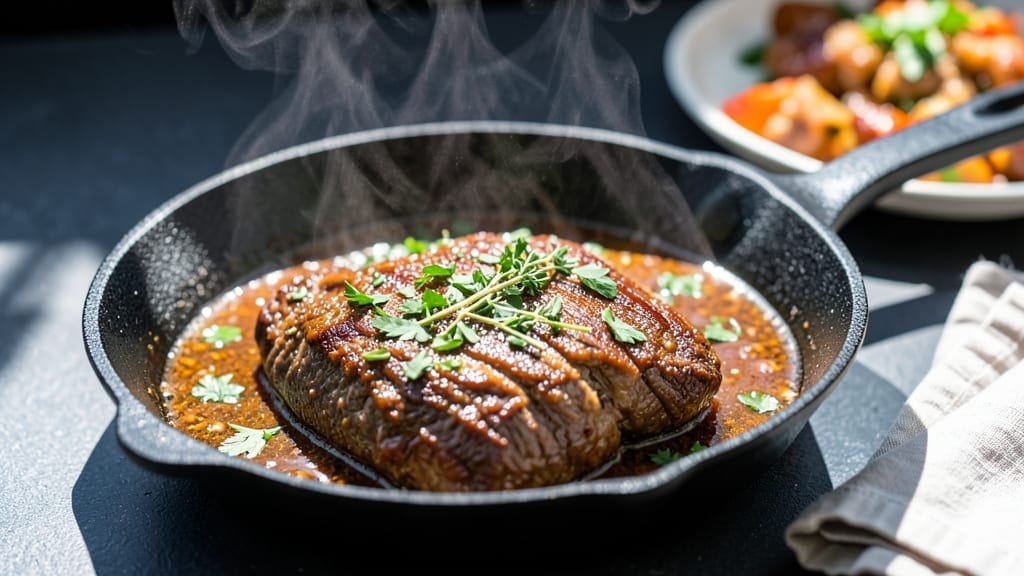
A basic beef marinade recipe transforms tough cuts into tender, flavorful masterpieces—no matter what you’re cooking. This simple blend of acid, oil, and aromatic seasonings penetrates meat deeply, ensuring every bite bursts with savory depth.
I’ve perfected this marinade over years of testing, and it never fails to elevate steaks, roasts, or even quick grilled kebabs.
The foundation of this marinade relies on three key components: an acid (like vinegar or citrus) to tenderize, oil to carry flavors, and a balanced mix of salt, garlic, and herbs for depth. Unlike complex marinades, this one uses pantry staples—no specialty ingredients required.
The beauty lies in its versatility: it works for 30 minutes of quick infusion or overnight for maximum flavor penetration, making it ideal for busy weeknights or Sunday meal prep.
What sets this marinade apart is its ability to create restaurant-quality results at home. The acid breaks down meat fibers while the oil and seasonings infuse moisture and flavor, preventing dryness even when cooking.
Whether you’re searing a ribeye or roasting a tougher cut, this marinade ensures juicy, aromatic meat every time. The best part? It keeps well in the fridge for up to 5 days, so you can always have it ready when inspiration—or hunger—strikes.
Use this marinade as a starting point for customization: swap herbs for rosemary or thyme, adjust acid levels for tangier or milder profiles, or add a touch of honey for caramelized depth.
The possibilities are endless, but the foundation remains foolproof. Let’s get started with a marinade that delivers consistent, professional results every time.
Ingredients for basic beef marinade
Pantry staples meet restaurant-quality results in this beef marinade masterpiece.
| Ingredient | Amount | Notes |
|---|---|---|
| Extra-Virgin Olive Oil 🫒 | ½ cup | High-quality, fruity variety preferred |
| Red Wine Vinegar 🍷 | ¼ cup | Dry, bold flavor preferred |
| Fresh Garlic Cloves 🧄 | 6 cloves | Peeled, roughly chopped |
| Diamond Crystal Kosher Salt 🧂 | 1 ½ tbsp | Fine grain preferred |
| Fresh Rosemary 🌿 | 1 tbsp | Finely chopped, stems removed |
| Fresh Thyme Leaves 🌿 | 1 tbsp | Stems removed, finely chopped |
| Black Peppercorns 🌶️ | 1 tsp | Freshly cracked preferred |
| Granulated Honey 🍯 | 1 tbsp | For subtle sweetness balance |
| Fresh Lemon Juice 🍋 | ¼ cup | Freshly squeezed preferred |
| Ground Black Pepper 🌶️ | ½ tsp | Freshly ground for best flavor |
[recipe_ingredient_scaler]
The olive oil is your flavor carrier—look for extra-virgin with a fruity aroma at Whole Foods or Trader Joe’s. Their bulk bins often have the best quality at reasonable prices. Red wine vinegar should be aged at least 1 year for depth—Bartles & Jaymes is reliable if you don’t want to hunt for specialty bottles. Fresh garlic and herbs make all the difference: buy them the day you cook if possible, or freeze them in oil for later. The honey adds just enough sweetness to balance the acidity without overpowering the savory notes.
No red wine vinegar? Apple cider vinegar or balsamic work in a pinch, though balsamic adds a sweeter note. Short on fresh herbs? Dried rosemary and thyme at half the amount will get you close, but fresh is always better. Want more heat? Add 1 tsp of smoked paprika or ½ tsp of cayenne. For a sweeter marinade, bump the honey to 2 tbsp. This marinade works for 30 minutes to overnight, so adjust based on your protein’s thickness—thicker cuts like flank steak benefit from the full overnight soak.
Store unused marinade in a glass jar in the fridge for up to 5 days—it keeps beautifully. For best results, marinate beef at 35-40°F in the fridge. If you’re prepping ahead, freeze portions in ice cube trays for easy thawing. The marinade doubles as a great dipping sauce for grilled meats—just reduce it by simmering for 5 minutes to thicken slightly. Always discard used marinade that’s touched raw meat.
Why You’ll Love This Recipe
- No-Fuss Marinade Magic: This marinade takes five minutes to assemble—just whisk, chop, and toss. I keep a bowl of chopped rosemary and thyme prepped in my fridge so I can throw everything together while my coffee brews. No fancy gadgets, no stress, just pure convenience.
- Tender, Crispy Perfection: The honey and lemon juice do something incredible—they caramelize the outside while keeping the beef juicy inside. That crispy edge with the creamy center? Chef’s kiss. And the rosemary and thyme? They turn even the simplest steak into something restaurant-worthy.
- Weeknight Hero: I use this marinade on everything from flank steak to beef kebabs, and it’s my go-to for last-minute dinner plans. Slap it on a chuck roast for slow cooking, or grill some cubes for tacos—it works everywhere. My kids even ask for it on their burgers.
- Budget-Friendly Flavor Bomb: This marinade costs less than $5 total, and it makes way more than you need for one meal. Store the leftovers in a jar, and you’ve got a secret weapon for future meals. Plus, using fresh herbs instead of dried saves money and boosts flavor—win-win.
Step-by-step instructions for deep-flavor beef marinade
This marinade transforms tough cuts into tender, flavor-packed masterpieces—simple steps for maximum impact.
Combine the Base Ingredients
In a medium mixing bowl, whisk together the ½ cup extra-virgin olive oil and ¼ cup red wine vinegar until fully emulsified. The vinegar helps tenderize the beef while the olive oil carries the flavor deep into the meat fibers. I use a whisk for this step to ensure the oil and vinegar blend smoothly—any separation now will resolve as you add more ingredients.
Next, add the 6 fresh garlic cloves (roughly chopped) and 1 tbsp granulated honey. The honey adds a subtle sweetness that balances the acidity of the vinegar and creates a beautiful caramelized crust when the beef cooks. Let the mixture sit for 5 minutes while you prepare the herbs—this gives the garlic time to soften slightly and release its aromatic oils.
Incorporate Herbs and Seasonings
Add the 1 tbsp finely chopped fresh rosemary, 1 tbsp fresh thyme leaves, 1 tsp black peppercorns, and 1½ tbsp diamond crystal kosher salt to the bowl. Stir vigorously with a wooden spoon to distribute the herbs evenly—this is where the marinade gets its complex, layered flavor. The rosemary and thyme bring earthy depth, while the salt and pepper create a perfect balance.
Here’s the thing—don’t skip the fresh herbs. Dried versions won’t infuse as well, and the flavor difference is noticeable. If you’re using stems, make sure they’re removed as they can make the marinade bitter. Give everything a final stir, then taste the mixture. It should be tangy, aromatic, and slightly sweet—this is your flavor baseline before adding the lemon.
Finish with Lemon Juice and Pepper
Pour in the ¼ cup fresh lemon juice and sprinkle with ½ tsp ground black pepper. The lemon juice brightens the marinade and adds a citrusy sharpness that cuts through the richness of the olive oil. Stir well to combine—you’ll notice the mixture become slightly more liquid as the lemon juice incorporates. This is normal and actually helps the marinade penetrate the beef more effectively.
Real talk: the lemon juice is the secret weapon here. It not only adds acidity for tenderization but also prevents the marinade from becoming too heavy. Give it one final taste—it should be vibrant, with a perfect balance of sweet, savory, tart, and herbal notes. If it tastes too strong, add a splash of water to dilute slightly. If it’s too mild, add a pinch more salt or a few extra cracks of black pepper.
Marinate the Beef Properly
Place your beef in a resealable plastic bag or glass dish and pour the marinade over it, ensuring every surface is coated. For even coverage, I like to seal the bag and gently massage the marinade into the meat, working it into crevices. This step is critical—uneven coating means uneven flavor. Let it marinate in the refrigerator for at least 4 hours, but I recommend 8-12 hours for maximum tenderness and flavor infusion.
Don’t walk away. Set a timer if you need to—beef left to marinate too long can become mushy, especially lean cuts. The acid in the vinegar and lemon works quickly but needs time to break down the muscle fibers without overdoing it. If you’re short on time, a 2-hour marinade will still improve flavor, though it won’t tenderize as dramatically. Always remove the beef from the marinade 30 minutes before cooking to allow the surface to dry slightly—this ensures a better sear.
Pro Tips For Making Basic Beef Marinade
- Whisk the Oil First: I learned this the hard way—skipping the whisk step means your marinade will separate mid-cook, leaving you with a greasy, vinegary mess. Take those 30 seconds to emulsify the ½ cup olive oil and ¼ cup red wine vinegar properly. The garlic and honey can wait; this is the foundation.
- Smash That Garlic: Roughly chopping the 6 garlic cloves isn’t enough—they need to break down fast. After adding them to the oil-vinegar mix, let it sit for 5 minutes, then give the bowl a quick smash with a wooden spoon. This releases more flavor and prevents clumps that won’t infuse the beef.
- Salt Before Tasting: The 1½ tbsp kosher salt should go in before you taste-test the marinade. Adding it last means you’ll under-season the whole batch. Trust me, the rosemary and thyme need that salt to shine—just stir it in early and adjust later if needed.
- Lemon Last, Always: Pouring the ¼ cup lemon juice at the end isn’t just tradition—it’s science. The acid brightens the marinade, but adding it too soon makes the herbs bitter faster. Save it for the final stir, and your beef will get that perfect tangy kick without turning bitter.
Storing and reheating this recipe
Leftover Marinade Uses
Don’t toss that leftover marinade after cooking—it’s a flavor powerhouse for other dishes! Use it as a quick dipping sauce for grilled veggies or steak slices. Just simmer it for 3-5 minutes over medium heat to thicken slightly, then drizzle over your favorite proteins or roasted potatoes.
I love adding a pinch of smoked paprika or 1 tsp of soy sauce to boost its depth before reheating. 💛
Freezing for Future Meals
Portion your marinade into ice cube trays or small glass jars before freezing—this makes it easy to grab a single serving later. Label each with the date since it keeps for up to 3 months in the freezer.
Thaw overnight in the fridge before using. I freeze extra batches for quick weeknight meals, especially when I’m prepping for busy days.
Reheating Safely
Always reheat leftover marinade to 165°F to kill any bacteria. I heat it in a small saucepan over medium-low heat for 5-7 minutes, stirring occasionally.
Avoid microwave reheating unless you’re in a pinch—it can create hot spots. If the marinade separates after reheating, whisk it vigorously to restore its emulsified texture.
Marinade-Based Sauces
Transform your marinade into a tangy beef sauce by reducing it with 1 tbsp cornstarch mixed with 1 tbsp water. Cook until thickened, then stir in 1 tsp Worcestershire sauce for umami depth.
This works beautifully over mashed potatoes or as a drizzle for grilled meats. It’s like having a restaurant-quality sauce at home! ✨
Storage Containers
For best results, store leftover marinade in glass jars with airtight lids—they protect the flavor better than plastic. I prefer Ball Mason jars because they’re durable and easy to clean.
If storing for longer than 5 days, press plastic wrap directly on the surface before sealing to minimize oxidation and keep flavors vibrant.
Preventing Contamination
Never reuse marinade that has touched raw beef unless you boil it for 10 minutes first. This kills harmful bacteria like E. coli or Salmonella. If you’re unsure, err on the side of caution and discard it.
I always label my marinade jars with the date to track freshness and avoid any risk. 💡
Nutrition facts
Frequently asked questions
Can I use this marinade for other meats besides beef?
This marinade works beautifully for chicken, pork, and even seafood like salmon or cod. The acidity tenderizes while the herbs and oil add flavor—just adjust marinating time based on the meat’s thickness. For seafood, limit to 30-60 minutes to avoid over-tenderizing.
Why does my marinade separate after adding the lemon juice?
Separation is normal! The oil and vinegar will naturally separate when you add the citrus, but it’ll re-emulsify as you stir in the herbs and seasonings. If it separates before use, just whisk vigorously before applying to meat. The marinade will still work—it just might look a little chunky.
Can I double this marinade recipe for larger cuts?
Yes, you can scale it up proportionally. For example, if you’re marinating a whole roast, double all ingredients to 1 cup olive oil and ½ cup vinegar. Just make sure to adjust your container size accordingly—use a gallon-sized bag for large cuts. The flavor balance will remain perfect!
What’s the best way to remove marinade residue from my cutting board?
Soak the board in warm water with a splash of dish soap immediately after use. For stubborn residue, sprinkle baking soda on the board, scrub with a damp cloth, then rinse. Avoid harsh scrubbers that can damage wood—just use gentle circular motions. For non-wood boards, a quick vinegar rinse works wonders!

Trained in classic French technique but raised on slow-cooked ribs and spicy rubs, she blends culinary skill with smoke and soul.
- Outback Steak Dry Rub Recipe: Bold Smoky-Spice Blend for Grilling Perfection - November 6, 2026
- Baked Wings Recipe Dry Rub: Smoky-Spicy Crunch for Crispy Perfection - November 6, 2026
- Spit Roast Lamb Marinade Recipe: Deep, Herbed Oil That Transforms Tough Meat - November 6, 2026