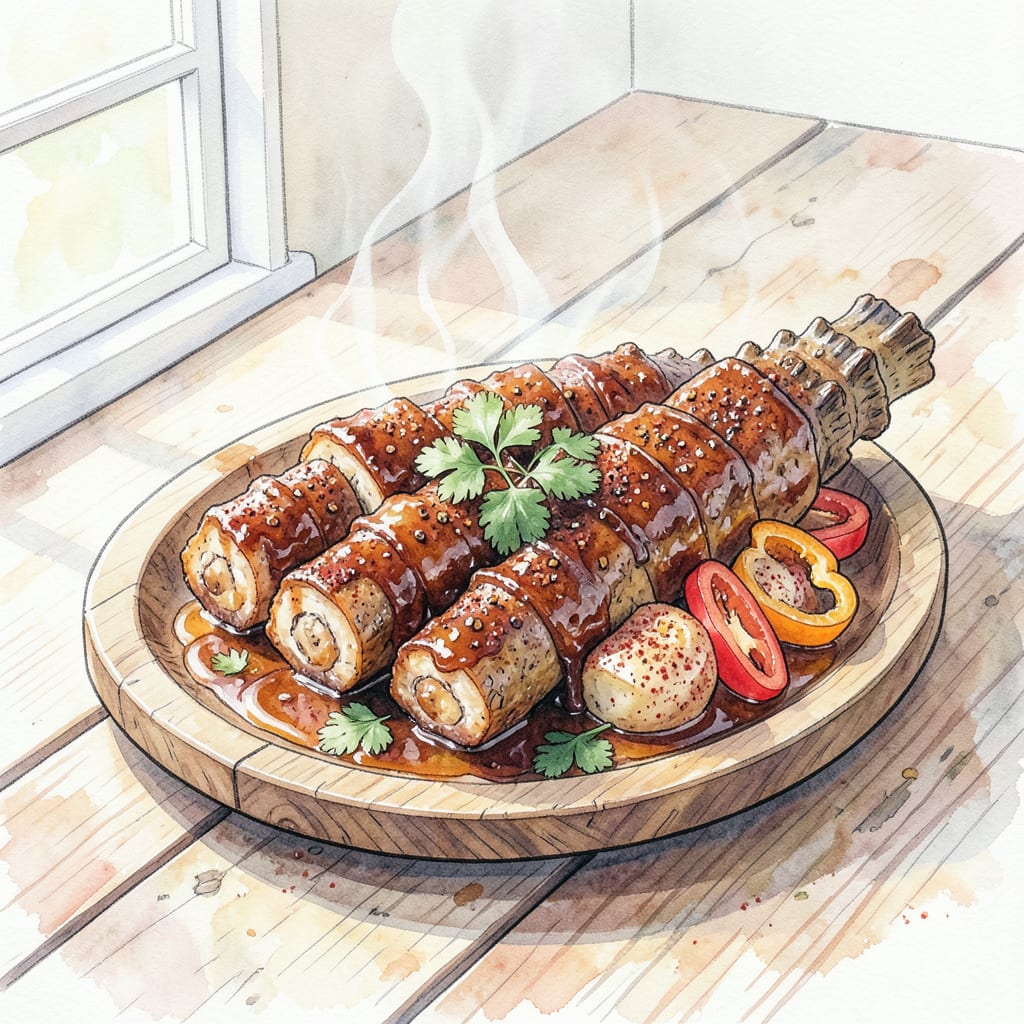
I’ve always been fascinated by the swampy flavors of the bayou, and BBQ alligator brings that magic to your plate. 🔥 As a pitmaster with French technique training, I’ve perfected a recipe that balances bold spices with tender, fall-apart texture.
This BBQ alligator recipe delivers authentic swamp flavor with a Southern twist. With low and slow cooking, the meat becomes tender and infused with rich, smoky flavor. Let’s dive into this unique culinary experience.
Ingredients for Bbq Alligator
Gather these unique ingredients for an authentic bayou BBQ alligator experience.
| Ingredient | Amount | Notes |
|---|---|---|
| Alligator Meat 🐊 | 2 lb | Tail or jaw meat preferred |
| Smoked Paprika 🌶️ | 2 tbsp | For smoky depth |
| Garlic Powder 🧄 | 1 tbsp | Not garlic salt |
| Onion Powder 🧅 | 1 tbsp | Adds savory base |
| Cayenne Pepper 🔥 | 1 tsp | Adjust for heat |
| Brown Sugar 🍮 | 1 tbsp | Balances heat |
| Salt 🧂 | 1 tbsp | Kosher or sea salt |
| Black Pepper 🌶️ | 2 tsp | Freshly ground |
| Apple Cider Vinegar 🍎 | ½ cup | Adds tanginess |
| Olive Oil 🫒 | ¼ cup | For marinade |
| Worcestershire Sauce 💧 | 2 tbsp | Adds umami |
| Bay Leaves 🌿 | 2 whole | For aromatic flavor |
[recipe_ingredient_scaler]
For the alligator meat, look for tail or jaw cuts—they’re naturally tender. Specialty butcher shops or online sources are your best bet. If you can’t find alligator, chicken thighs or pork shoulder make decent substitutes, though the flavor profile changes. For the spices, Penzeys has excellent smoked paprika and McCormick makes reliable cayenne.
No smoked paprika? Regular paprika plus liquid smoke gets you close. The cayenne can be adjusted or omitted based on your heat tolerance. For the Worcestershire, check the brand—some contain anchovies which aren’t suitable for all diets. The bay leaves add a subtle complexity—don’t skip them. If you can’t find bay leaves, dried thyme is a decent substitute.
Marinate the alligator for at least 2 hours, or overnight for deeper flavor. Store leftovers in an airtight container in the fridge for up to 3-4 days. This recipe freezes well too—portion into freezer-safe containers and store for up to 3 months.
Step-by-Step Instructions for BBQ Alligator
Mastering this BBQ alligator recipe is easier than you think with these precise steps.
👨🍳 Step 1: Prepare the Marinade
In a medium bowl, whisk together the 2 tbsp Smoked Paprika, 1 tbsp Garlic Powder, 1 tbsp Onion Powder, 1 tsp Cayenne Pepper, 1 tbsp Brown Sugar, 1 tbsp Salt, and 2 tsp Black Pepper. I like to use a whisk with a comfortable grip for better control. The mixture should be well combined with no lumps.
Next, in a large bowl, combine the 0.5 cup Apple Cider Vinegar, 0.25 cup Olive Oil, and 2 tbsp Worcestershire Sauce. Whisk until fully emulsified. The marinade should have a smooth consistency and a deep brown color. Add the dry spice mixture to the wet ingredients and whisk until smooth. You’ll notice the marinade thickens slightly due to the sugar content.
🥘 Step 2: Marinate the Alligator Meat
Add the 2 lb Alligator Meat to the marinade, ensuring it’s fully submerged. If necessary, use a spatula to gently press down on the meat. Cover the bowl with plastic wrap, pressing the wrap directly onto the surface of the marinade to prevent air pockets. Refrigerate for at least 4 hours or overnight for best results. The acidity in the apple cider vinegar will help tenderize the alligator meat during this time.
Every few hours, give the meat a gentle turn to ensure even marination. You’ll notice the meat absorbing the flavors and turning a deeper color as it marinates.
🔥 Step 3: Grill the Alligator
Preheat your grill to medium-high heat (about 375°F). Remove the alligator meat from the marinade, letting any excess drip off. Place the meat on the grill and cook for 5-7 minutes per side until it reaches an internal temperature of 165°F. I use a meat thermometer to ensure accuracy. The outside should develop a nice char while the inside remains tender.
During grilling, you’ll notice the 2 whole Bay Leaves from the marinade will likely be stuck to the meat. They add aromatic flavor as they grill. If they start to char too much, you can brush them off gently.
⏰ Step 4: Rest and Serve
Once cooked, transfer the alligator meat to a cutting board and let it rest for 5-10 minutes. This resting period allows the juices to redistribute, ensuring the meat stays moist. Slice against the grain into 1-inch thick pieces. Serve immediately while still warm. The resting time is crucial as it allows the proteins to relax, making the meat more tender.
As you slice, you’ll notice the meat has a firm texture similar to chicken or fish. The BBQ sauce from the marinade will have caramelized on the surface, creating a flavorful crust. Serve with your favorite BBQ sides to complement the dish.
Troubleshooting Great bbq alligator
Common Grilling Issues
One of the most common problems when grilling alligator is uneven cooking. To prevent this, make sure your grill grates are clean and preheated to medium-high heat (375°F) before adding the meat. I always use a Thermapen to check my grill temperature. If you notice flare-ups, move the meat to a cooler part of the grill temporarily.
Temperature Control
Maintaining the right temperature is crucial for tender alligator. Use a meat thermometer to monitor the internal temperature, aiming for 165°F. If you’re getting inconsistent results, check that your thermometer is calibrated correctly by testing it in boiling water (212°F). Let the meat rest for 5-10 minutes after grilling to allow juices to redistribute.
Marinade Challenges
If you find the marinade isn’t penetrating the meat evenly, try cutting the alligator into 1-inch cubes before marinating. This increases the surface area and helps the flavors penetrate more deeply.
Texture Troubleshooting
If your alligator turns out tough, it might be due to overcooking. Alligator meat cooks quickly, so keep a close eye on it. If you’re using a grill with hot spots, rotate the meat every 2-3 minutes to ensure even cooking. For chewy texture, check that you’re slicing against the grain into 1-inch thick pieces.
Flavor Adjustments
If the BBQ flavor isn’t coming through strongly enough, try increasing the smoked paprika in your marinade or adding a liquid smoke during the last few minutes of grilling. You can also brush on additional BBQ sauce during the last 2 minutes of cooking. For a spicier kick, adjust the cayenne pepper to your taste. 🌶️
Resting Importance
Don’t skip the resting period! After grilling, let the alligator rest for 5-10 minutes before slicing. This allows the juices to redistribute throughout the meat, resulting in a more tender and flavorful final product. I like to tent the meat loosely with foil during resting to keep it warm.

Trained in classic French technique but raised on slow-cooked ribs and spicy rubs, she blends culinary skill with smoke and soul.
- Recipe for Boneless Pork Chops in Cast Iron Skillet: Sear and Baste to Juicy Perfection - October 3, 2026
- Recipe for Boneless Cross Rib Roast: Slow-Roasted Beef with Herb Crust - October 3, 2026
- Hamburgers in Sauce Recipe Crock Pot: Slow-Cooked Savory Delight - October 3, 2026