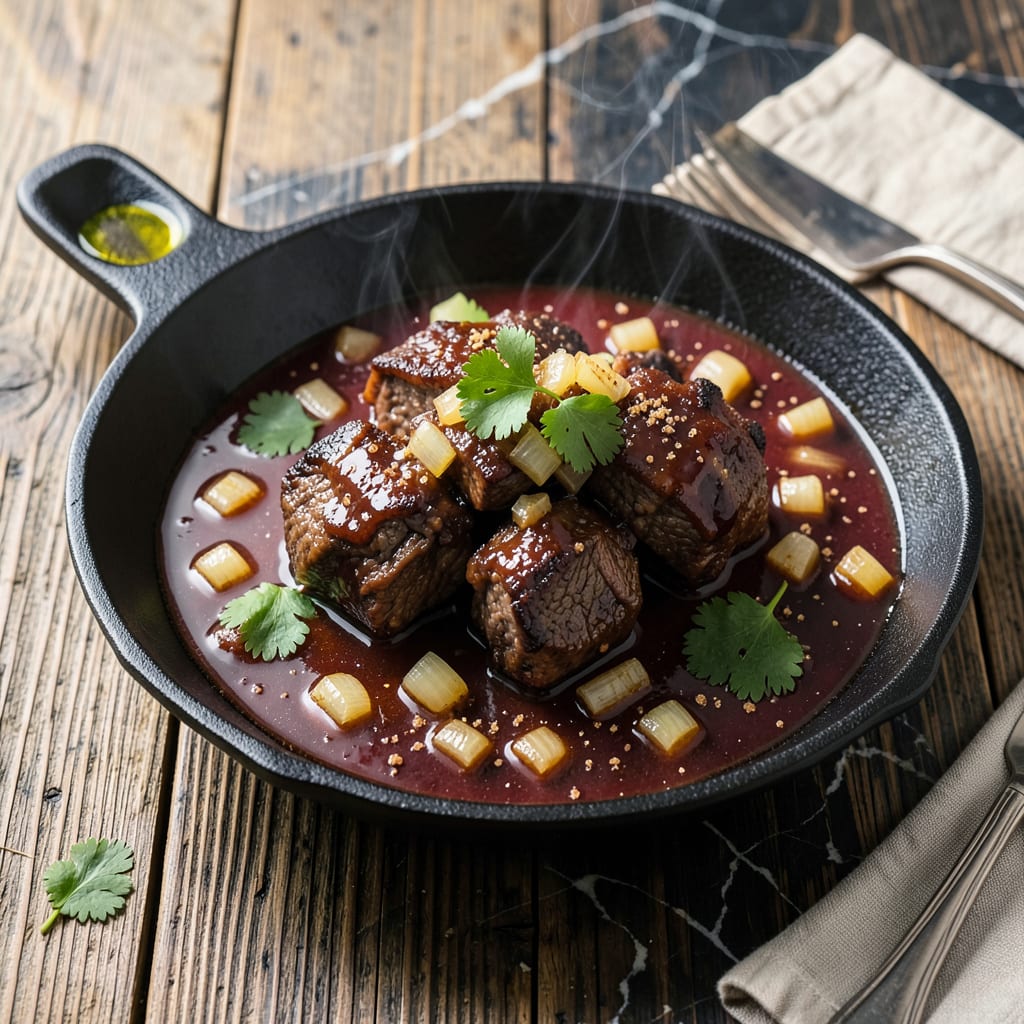
This method delivers fall-off-the-bone BBQ beef with deep, smoky flavor in under 90 minutes. The pressure cooker locks in moisture while concentrating the rub’s bold spices.
No smoker needed—this technique uses liquid smoke and a precise cooking process to achieve authentic pit-style results. The beef emerges tender, the sauce rich, and the aroma undeniable.
Ingredients for Bbq Beef in Pressure Cooker
Quality beef and bold spices create that authentic pit-style experience without the smoker.
| Ingredient | Amount | Notes |
|---|---|---|
| Beef Chuck Roast 🥩 | 2 ½ lb | Trimmed of excess fat, cut into chunks |
| BBQ Sauce 🍯 | 2 cups | High-quality, smoky flavor preferred |
| Beef Broth 🥣 | 1 cup | Low-sodium for better control |
| Liquid Smoke 💨 | 1 tbsp | For authentic smoky depth |
| Apple Cider Vinegar 🍏 | 2 tbsp | Balances sweetness with tang |
| Brown Sugar 🍚 | 2 tbsp | Light or dark, packed |
| Worcestershire Sauce 🍶 | 1 tbsp | Adds umami complexity |
| Smoked Paprika 🌶️ | 1 tbsp | Key for smoky flavor profile |
| Garlic Powder 🧄 | 1 tsp | Uniform flavor distribution |
| Onion Powder 🧅 | 1 tsp | Enhances savory base notes |
| Kosher Salt 🧂 | 1 tsp | Diamond Crystal preferred |
| Black Pepper 🌶️ | ½ tsp | Freshly ground for best results |
| Yellow Onion 🧅 | 1 whole | Medium-sized, finely diced |
| Olive Oil 🫒 | 2 tbsp | For searing beef chunks |
[recipe_ingredient_scaler]
The beef selection is critical. Chuck roast provides the ideal fat-to-meat ratio for fall-apart texture after pressure cooking. Look for well-marbled pieces at Whole Foods or your local butcher. The liquid smoke is non-negotiable—Wright’s brand delivers consistent quality. For the BBQ sauce, Stubb’s Original or Sweet Baby Ray’s offer the right balance of sweetness and tang out of the bottle.
Need to swap the beef? Brisket or short ribs work but require slightly longer cooking. No liquid smoke? Chipoltle powder in adobo adds smokiness (use 1-2 tsp). Out of apple cider vinegar? White vinegar at half the amount works in a pinch. The brown sugar can be substituted with honey or maple syrup, though the flavor profile will shift slightly. Always taste and adjust seasoning at the end.
The cooked beef keeps beautifully in the fridge for 4-5 days and freezes for 3 months. Store in airtight containers with some of the cooking liquid to maintain moisture. Reheat gently on the stovetop or in the microwave, adding a splash of broth if needed. The flavors actually deepen after a day in the fridge.
Why You’ll Love This Recipe
- Set It and Forget: I toss the chuck roast, broth, and BBQ sauce in the pressure cooker and walk away—no babysitting required.
- Smoky Richness: The liquid smoke and apple cider vinegar give it that deep, tangy BBQ flavor without firing up a smoker.
- Feeds Everyone: I’ve served this at summer cookouts and weeknight dinners alike—it’s always a hit with adults and kids.
- Leftovers for Days: Honestly, it tastes even better the next day in sandwiches or over baked potatoes.
Step-by-Step Instructions for BBQ Beef in Pressure Cooker
This method delivers fall-apart tender beef with rich smoky flavor in record time.
Step 1: Sear the Beef Chuck Roast
Heat the 2 tbsp olive oil in the pressure cooker using the sauté function set to medium-high heat. While it heats, pat the 2.5 lb beef chuck roast chunks dry with paper towels—this ensures a proper sear rather than steaming.
Working in batches if necessary to avoid crowding, add the beef to the hot oil. Sear undisturbed for 3-4 minutes per side until deeply browned on all surfaces. The fond created here will build the base of your sauce.
Transfer the seared beef to a plate and set aside. The meat should have a dark, caramelized crust that will intensify the overall flavor of the final dish.
Step 2: Build the Flavor Base
In the same pressure cooker pot, add the finely diced yellow onion. Sauté for 4-5 minutes until softened and translucent, scraping up any browned bits from the bottom.
Stir in the 1 tbsp smoked paprika, 1 tsp garlic powder, 1 tsp onion powder, 1 tsp kosher salt, and 0.5 tsp black pepper. Cook for 1 minute until fragrant—this blooms the spices and deepens their impact.
Add the 2 tbsp brown sugar, 2 tbsp apple cider vinegar, 1 tbsp Worcestershire sauce, and 1 tbsp liquid smoke. Stir well to combine all ingredients into a cohesive base.
Step 3: Pressure Cook to Tenderness
Return the seared beef to the pressure cooker along with any accumulated juices. Pour in the 1 cup beef broth and 2 cups BBQ sauce, stirring to coat the beef evenly.
Secure the lid and set the pressure cooker to high pressure for 45 minutes. The cooker will take 10-15 minutes to come to pressure before the timer begins.
Once cooking completes, allow a natural pressure release for 10 minutes, then carefully quick-release any remaining pressure. The beef should be fork-tender and easily pull apart with minimal effort.
Step 4: Reduce and Serve
Remove the lid and set the pressure cooker to the sauté function on medium heat. Simmer the sauce uncovered for 5-7 minutes until it thickens slightly and reduces to your desired consistency.
Taste and adjust seasoning if needed, though the combination of smoky, sweet, and tangy elements should be well-balanced. The sauce should cling to the beef and have a glossy, rich appearance.
Serve the BBQ beef hot, either shredded or in chunks, with additional sauce spooned over the top. The meat will be incredibly tender with a complex, smoky-sweet flavor profile that develops depth from the pressure cooking process.
Pro Tips For Making Bbq Beef In Pressure Cooker
- Sear the Beef: Brown the chuck roast in batches before pressure cooking—this builds deep flavor that simmering alone can’t match. I learned this the hard way after making a bland batch without it.
- Trim Excess Fat: Cut off large fat caps from the chuck roast first. Too much fat can make the sauce greasy, and no one wants a slick of oil floating on their BBQ beef.
- Deglaze Thoroughly: After searing, scrape up all those browned bits with a splash of beef broth before adding everything else. Those stuck-on bits are pure flavor waiting to be incorporated.
- Add Vinegar Last: Stir in the apple cider vinegar after pressure cooking—its sharpness brightens the dish right before serving. Adding it earlier can make the beef toughen up during cooking.
Troubleshooting Perfect Results
Beef Not Tender
If your beef isn’t fall-apart tender, it likely needs more time. Return it to the pressure cooker with an additional ½ cup beef broth and cook for another 15-20 minutes on high pressure. Chuck roast can vary in toughness.
Sauce Too Thin
For a thinner sauce, remove the lid and simmer on medium-high heat for 5-10 minutes to reduce. If it’s still too thin, mix 1 tbsp cornstarch with 1 tbsp cold water and stir in. Cook for 2-3 minutes until thickened. 💡
Sauce Too Thick
Thin the sauce with ¼ cup beef broth or water, stirring well. If it’s too sweet, balance it with 1 tsp apple cider vinegar or a pinch of salt. The flavors should harmonize after a few minutes of simmering.
Burn Notice
If you get a burn notice, immediately quick-release the pressure. Check for fond stuck to the bottom—scrape it off with a wooden spoon. Add ½ cup beef broth, stir well, and resume cooking. Always deglaze thoroughly after searing.
Overly Smoky
If the liquid smoke flavor is too strong, balance it with 1 tbsp brown sugar or 2 tbsp ketchup. Stir well and taste after 5 minutes of simmering. Remember, Wright’s is potent—start with ½ tbsp next time.
Beef Dry
If the beef seems dry, it may have overcooked. Shred it and mix with extra BBQ sauce or broth. For future batches, reduce cooking time to 40 minutes on high pressure. The natural release helps retain moisture. ❄️
Nutrition Facts

Trained in classic French technique but raised on slow-cooked ribs and spicy rubs, she blends culinary skill with smoke and soul.
- Recipe for Boneless Pork Chops in Cast Iron Skillet: Sear and Baste to Juicy Perfection - October 3, 2026
- Recipe for Boneless Cross Rib Roast: Slow-Roasted Beef with Herb Crust - October 3, 2026
- Hamburgers in Sauce Recipe Crock Pot: Slow-Cooked Savory Delight - October 3, 2026