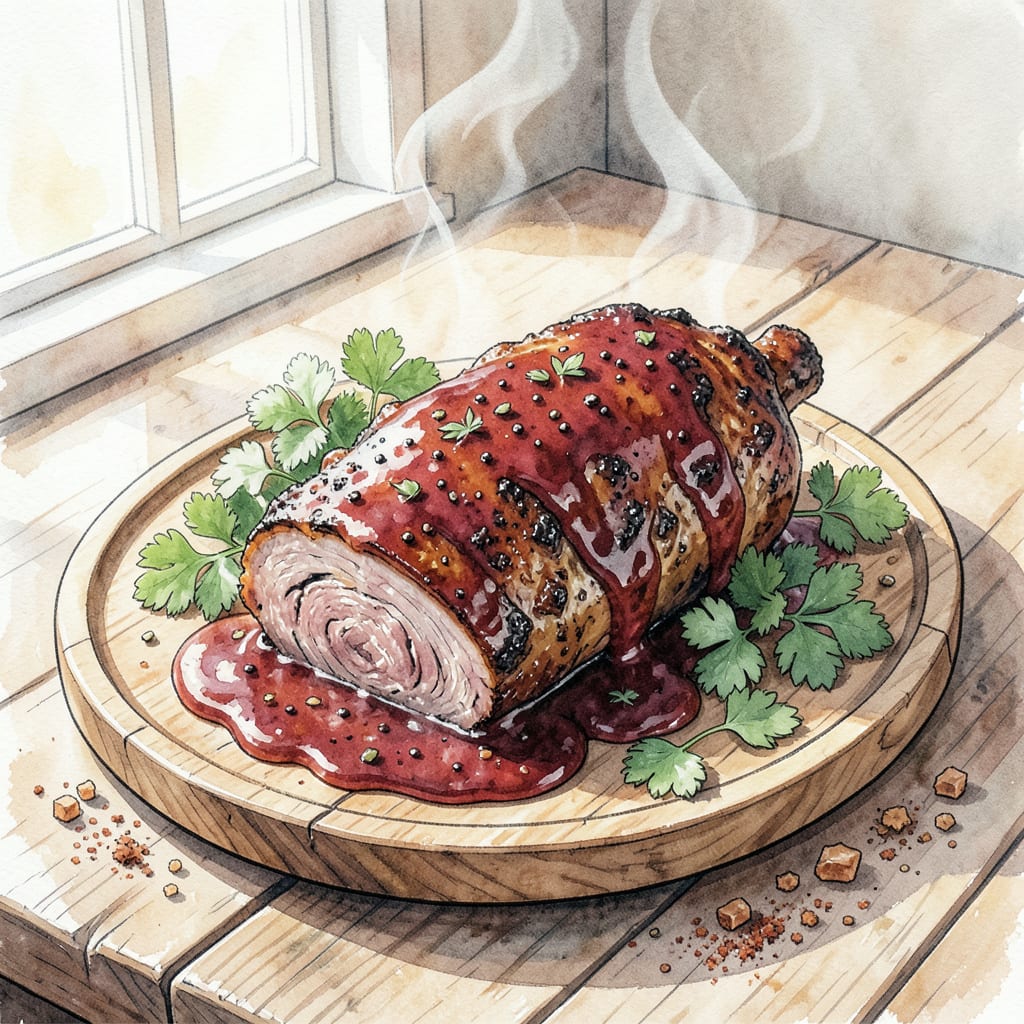
I’ve spent years perfecting my slow-cooked BBQ goat recipe, and I’m excited to share it with you. The key is low and slow cooking, which transforms tough meat into tender, fall-apart goodness. 🔥
With a blend of classic French technique and pitmaster expertise, I’ve developed a marinade and rub that elevates the rich flavor of goat. The result is a tender and smoky dish that’s sure to impress. Let’s get started!
Ingredients for Bbq Goat
Tender goat shoulder meets smoky BBQ magic in this crowd-pleasing dish.
| Ingredient | Amount | Notes |
|---|---|---|
| Goat Shoulder 🥩 | 2 lb | Boneless, fat cap intact |
| Brown Sugar 🍮 | ¼ cup | Dark brown preferred |
| Smoked Paprika 🌶️ | 2 tbsp | Smoked for depth |
| Garlic Powder 🧄 | 1 tbsp | Not garlic salt |
| Onion Powder 🧅 | 1 tbsp | Fresh ground preferred |
| Kosher Salt 🧂 | 2 tbsp | Diamond Crystal preferred |
| Black Pepper 🌶️ | 1 tbsp | Freshly ground |
| Apple Cider Vinegar 🍎 | ½ cup | For marinade |
| Worcestershire Sauce 💧 | 2 tbsp | Adds umami depth |
| Olive Oil 🫒 | ¼ cup | For coating meat |
| Wood Chips 🌲 | 1 cup | Hickory or apple wood |
| BBQ Sauce 🍯 | 1 cup | For glazing |
[recipe_ingredient_scaler]
For the best goat shoulder, check specialty butcher shops or Whole Foods. Look for boneless shoulder with fat cap intact—this keeps the meat moist during long cooking. If you can’t find goat, lamb shoulder makes a great substitute. The rub contains smoked paprika for that authentic BBQ flavor.
No apple cider vinegar? White wine vinegar or lemon juice work as substitutes. For the wood chips, hickory gives a strong smoky flavor while apple wood adds a sweeter note. If using a slow cooker, skip the browning step and go straight to cooking. The BBQ sauce can be store-bought or homemade—whatever you prefer.
This recipe reheats beautifully and gets better with time. Store leftovers in airtight containers in the fridge for up to 5 days. You can also freeze portions for up to 3 months. When reheating, add a splash of beef broth or water to keep it moist.
Step-by-Step Instructions for BBQ Goat
Here’s the method that delivers fall-apart tender goat shoulder with a rich, smoky flavor.
🔥 Step 1: Prepare the Marinade and Coat the Goat Shoulder
In a bowl, mix together the 0.25 cup Brown Sugar, 2 tbsp Smoked Paprika, 1 tbsp Garlic Powder, 1 tbsp Onion Powder, 2 tbsp Kosher Salt, and 1 tbsp Black Pepper. I like to use a fork to ensure everything is well combined. Coat the 2 lb Goat Shoulder evenly with this dry rub, making sure to get some under the fat cap as well. Let it sit at room temperature for 30 minutes to allow the seasonings to penetrate.
While the goat shoulder is resting, whisk together the 0.5 cup Apple Cider Vinegar and 2 tbsp Worcestershire Sauce in a separate bowl. I find that using a whisk helps to emulsify the marinade properly. Pour this marinade over the goat shoulder, turning to coat evenly. Cover and refrigerate for at least 4 hours or overnight for the best flavor.
🔥 Step 2: Set Up Your Smoker and Add Wood Chips
Preheat your smoker to 225-250°F using your preferred type of wood (I recommend hickory or apple wood for this recipe). Once the smoker is ready, add the 1 cup Wood Chips to the smoker box. I like to soak the wood chips in water for 30 minutes before adding them to the smoker to ensure a good smoke. Remove the goat shoulder from the marinade, letting any excess liquid drip off.
Place the goat shoulder in the smoker, fat side up. Close the lid and smoke for 8 hours or until the internal temperature reaches 190-195°F. I check the temperature after 6 hours to ensure we’re on track. You’ll know it’s getting close when the meat starts to pull away from the bone.
🍳 Step 3: Glaze with BBQ Sauce and Finish Cooking
After 8 hours of smoking, remove the goat shoulder from the smoker and brush it with the 1 cup BBQ Sauce. I like to use a generous amount to get a good glaze. Return the goat shoulder to the smoker for another 30 minutes to 1 hour, or until the BBQ sauce is caramelized and sticky. Keep an eye on it to prevent the sauce from burning.
Once done, remove the goat shoulder from the smoker and let it rest for 15-20 minutes before shredding or slicing. I find that using two forks to shred the meat against the grain results in the most tender texture. Serve with additional BBQ sauce on the side, if desired.
Troubleshooting Perfect Results
Common Issues with BBQ Goat
One of the most common problems with slow-cooked goat is that it can become dry if overcooked. To avoid this, use a meat thermometer to monitor the internal temperature. Remove the goat from heat when it reaches 190-195°F. I like to check the temperature in multiple places to ensure even cooking. 🌡️
Troubleshooting Tough Meat
If your goat shoulder turns out tough, it might not have been cooked long enough. Goat meat can be particularly tough if not cooked properly.
Fixing Bland Flavor
If your BBQ goat lacks flavor, check your marinade and rub. Ensure you’re using enough kosher salt and acidic ingredients like apple cider vinegar. I recommend marinating for at least 4 hours, or overnight for the best results. Additionally,
Preventing BBQ Sauce from Burning
To prevent the BBQ sauce from burning during the final stage of cooking, keep a close eye on the temperature. If using a smoker, you can reduce the heat or move the goat to a cooler part of the smoker. I like to brush the BBQ sauce on during the last 30 minutes of cooking. If you notice it getting too dark, tent the goat with aluminum foil to prevent further browning.
Reheating Leftovers
When reheating leftover BBQ goat, add a splash of beef broth or water to keep the meat moist. You can reheat it in the oven at 275°F wrapped in foil, or on the stovetop with a bit of liquid. I find that reheating slowly helps maintain the tender texture. If you’re reheating a large quantity, consider using a slow cooker on low for a few hours.
Storage Tips
For storing leftovers, let the goat cool completely before transferring it to airtight containers. You can store it in the fridge for up to 5 days or freeze it for up to 3 months. When freezing, consider portioning it into smaller containers or freezer bags for easier reheating. Label the containers with the date and contents, and
Nutrition Facts

Trained in classic French technique but raised on slow-cooked ribs and spicy rubs, she blends culinary skill with smoke and soul.
- Recipe for Boneless Pork Chops in Cast Iron Skillet: Sear and Baste to Juicy Perfection - October 3, 2026
- Recipe for Boneless Cross Rib Roast: Slow-Roasted Beef with Herb Crust - October 3, 2026
- Hamburgers in Sauce Recipe Crock Pot: Slow-Cooked Savory Delight - October 3, 2026