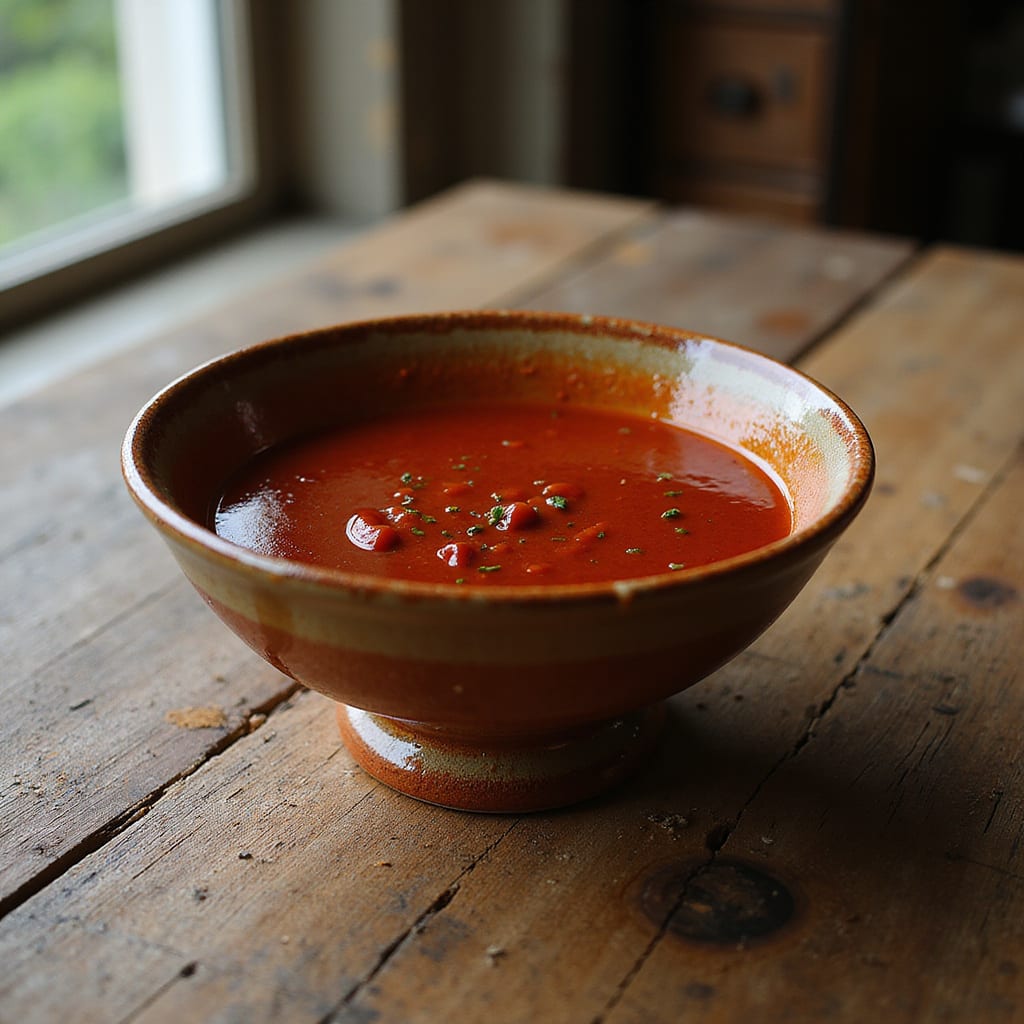
I’m excited to share my BBQ Tiger Sauce recipe, a game-changer for anyone who loves spicy BBQ. This sauce combines the perfect balance of tangy and heat, making it a staple for your next backyard cookout.
With just a few simple ingredients, you’ll create a versatile sauce that’s perfect for slathering on ribs, chicken, or as a dipping sauce. Let’s get started on making this BBQ Tiger Sauce that’ll elevate your grilling game!
Ingredients for Bbq Tiger Sauce
Simple pantry staples come together to create this spicy BBQ sauce.
| Ingredient | Amount | Notes |
|---|---|---|
| Ketchup 🍅 | 1 cup | Regular or organic ketchup |
| Apple Cider Vinegar 🍎 | ½ cup | For tangy flavor |
| Brown Sugar 🍮 | ¼ cup | Packed light brown |
| Worcestershire Sauce 💧 | 2 tbsp | Adds depth of flavor |
| Smoked Paprika 🌶️ | 1 tbsp | For smoky flavor |
| Chili Powder 🔥 | 1 tbsp | Adjust for heat preference |
| Garlic Powder 🧄 | 1 tsp | Not garlic salt |
| Onion Powder 🧅 | 1 tsp | Adds savory flavor |
| Salt 🧂 | ½ tsp | Kosher or sea salt |
| Black Pepper 🌶️ | ¼ tsp | Freshly ground |
| Cayenne Pepper 🔥 | ¼ tsp | Adjust for heat |
[recipe_ingredient_scaler]
For the best flavor, use high-quality ketchup—organic if possible. Smoked paprika gives this sauce its signature smoky flavor. You can find it in most grocery stores or online. If you’re out, regular paprika works too, but you’ll lose that deep smoky taste. The cayenne pepper adds a nice kick, but feel free to adjust it based on your heat preference.
No apple cider vinegar? White wine vinegar or white distilled vinegar can be used as a substitute. If you prefer a thicker sauce, simmer it for a few extra minutes until it reaches your desired consistency. You can also add a tablespoon of cornstarch mixed with water to thicken it. For a different flavor profile, try adding a teaspoon of liquid smoke.
Store this BBQ Tiger Sauce in an airtight container in the refrigerator. It will keep for up to 2 weeks. Give it a good stir before using, as the ingredients may separate over time. You can also freeze it for up to 3 months—just thaw it in the fridge overnight when you’re ready to use it.
Step-by-Step Instructions for BBQ Tiger Sauce
Here’s the method to create your BBQ Tiger Sauce – straightforward and effective.
Step 1: Combine Wet Ingredients and Sugar
In a medium saucepan, combine the 1 cup Ketchup, 0.5 cup Apple Cider Vinegar, and 0.25 cup Brown Sugar. Whisk until the sugar is fully dissolved. I like to use a flat whisk for this – it helps prevent lumps from forming.
Place the saucepan over medium heat and bring the mixture to a gentle simmer. You’ll know it’s ready when you see the first few bubbles rising to the surface.
Step 2: Add Spices and Seasonings
Once the mixture is simmering, add the 2 tbsp Worcestershire Sauce, 1 tbsp Smoked Paprika, 1 tbsp Chili Powder, 1 tsp Garlic Powder, and 1 tsp Onion Powder. Whisk constantly to prevent the spices from clumping.
Continue to simmer the sauce for 5-7 minutes, or until it thickens slightly and reduces by about 1/4 cup. You’ll notice the sauce coating the back of a spoon when it’s ready.
Step 3: Season and Finish the Sauce
Remove the saucepan from the heat and stir in the 0.5 tsp Salt, 0.25 tsp Black Pepper, and 0.25 tsp Cayenne Pepper. Taste the sauce and adjust the seasoning as needed. If it’s too thick, you can thin it with a little more Apple Cider Vinegar. If it’s not spicy enough, add a bit more Cayenne Pepper.
Let the BBQ Tiger Sauce cool to room temperature before transferring it to an airtight container. It will keep in the refrigerator for up to 2 weeks. When you’re ready to use it, give the sauce a good stir and adjust the consistency if needed.
Pro Cooking Tips for bbq tiger sauce
Mastering the Balance
The key to great BBQ Tiger Sauce is balancing tangy, sweet, and spicy flavors. I start by whisking together 1 cup ketchup, ½ cup apple cider vinegar, and ¼ cup brown sugar in a medium saucepan until the sugar dissolves completely. This forms the base that we’ll build upon. 🔥
Heat Control is Crucial
When adding spices, remember that 1 tablespoon chili powder and ¼ teaspoon cayenne pepper provide the heat. For a milder version, start with ½ tablespoon chili powder and omit the cayenne. You can always add more heat later, but you can’t remove it once added. I like to taste as I go, adjusting the seasoning to my preference.
The Importance of Simmering
After adding all ingredients, simmer the sauce over medium heat for 5-7 minutes, whisking constantly. This allows the flavors to meld together and the sauce to thicken slightly. If you prefer a thicker sauce, continue simmering for a few more minutes until it coats the back of a spoon.
Storage and Reheating Tips
Let the sauce cool completely before transferring it to an airtight container. It will keep in the refrigerator for up to 2 weeks. When you’re ready to use it, give it a good stir. If it’s too thick, thin it with a little more apple cider vinegar or water. You can also freeze it for up to 3 months—just thaw it in the fridge overnight.
Customization Ideas
For a different flavor profile, try adding 1 teaspoon liquid smoke during the simmering process. You can also experiment with different types of vinegar, like white wine vinegar or balsamic vinegar, to change the character of the sauce. I love adding a splash of hot sauce for an extra kick.
Using Your BBQ Tiger Sauce
This versatile sauce is perfect for slathering on ribs, chicken, or as a dipping sauce. I like to brush it onto grilled meats during the last few minutes of cooking to create a sticky, caramelized glaze. You can also use it as a marinade by letting the meat sit in the sauce for a few hours before cooking. Enjoy!

Trained in classic French technique but raised on slow-cooked ribs and spicy rubs, she blends culinary skill with smoke and soul.
- Recipe for Boneless Pork Chops in Cast Iron Skillet: Sear and Baste to Juicy Perfection - October 3, 2026
- Recipe for Boneless Cross Rib Roast: Slow-Roasted Beef with Herb Crust - October 3, 2026
- Hamburgers in Sauce Recipe Crock Pot: Slow-Cooked Savory Delight - October 3, 2026