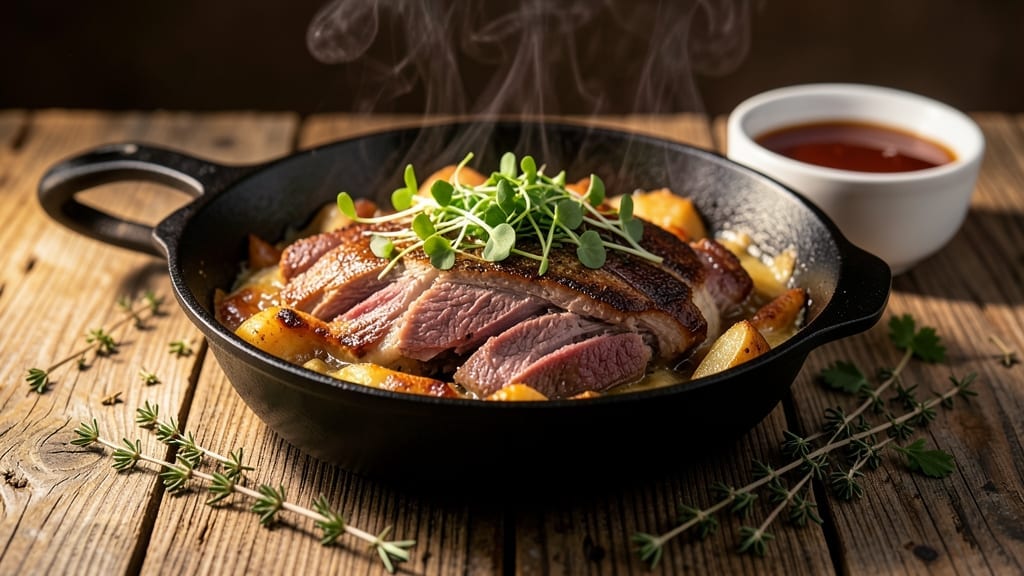
Transforming tough brisket into tender, melt-in-your-mouth perfection is the heart of this slow-cooked casserole—where rich beef meets comforting layers of vegetables and savory gravy. The secret lies in a precise balance of slow cooking and final baking, ensuring every bite delivers deep flavor without drying out the meat.
I’ve perfected this method over years of testing, and the result is a dish that feels like a restaurant-quality meal but comes together with straightforward techniques.
This recipe starts with a brisket that’s slow-cooked until fork-tender, then layered with potatoes, carrots, and onions for a hearty, one-dish wonder. The gravy ties everything together, creating a cohesive, flavorful finish that’s impossible to resist.
What makes it special is the foolproof method—no complicated steps, just a combination of time, heat, and simple ingredients that work together seamlessly.
By the time it emerges from the oven, you’ll have a casserole with tender beef, perfectly cooked vegetables, and a rich, velvety sauce that coats every layer. The aroma alone will have everyone gathering at the table, and the first bite delivers on that promise of slow-cooked richness.
This is comfort food at its finest, designed to impress without stress.
Serve it family-style for a cozy dinner or prep ahead for meal prep—it reheats beautifully and tastes even better the next day. The key is patience, and the reward is a dish that feels like a hug in every bite. Let’s get started on creating this crowd-pleaser.
Ingredients for beef brisket casserole
Fourteen ingredients transform tough brisket into restaurant-quality comfort—slow-cooked perfection.
| Ingredient | Amount | Notes |
|---|---|---|
| Beef Brisket 🥩 | 4 lb | Fat-cap trimmed, cut into 2-inch cubes |
| Russet Potatoes 🥔 | 3 lb | Medium, peeled and quartered |
| Carrots 🥕 | 2 lb | Whole, peeled and halved lengthwise |
| Yellow Onions 🧅 | 3 whole | Thinly sliced |
| All-Purpose Flour 🌾 | 1 ½ cups | For dredging beef cubes |
| Beef Broth 💧 | 4 cups | Low-sodium preferred |
| Whole Milk 🥛 | 1 cup | For gravy richness |
| Unsalted Butter 🧈 | ½ cup | Cubed, for gravy |
| Dried Thyme 🌿 | 1 tsp | For aromatic depth |
| Dried Rosemary 🌿 | 1 tsp | Crushed for potency |
| Garlic Cloves 🧄 | 6 cloves | Minced, for aromatic base |
| Diamond Crystal Kosher Salt 🧂 | 2 tbsp | For precise seasoning |
| Freshly Ground Black Pepper 🌶️ | 1 ½ tsp | For finishing |
| Tomato Paste 🍅 | ¼ cup | For depth of flavor |
[recipe_ingredient_scaler]
The brisket is the star, so source pre-cut cubes from a butcher—they’re more uniform than cubing yourself. Look for well-marbled beef with a bright red hue; avoid any with grayish tones. If buying whole, trim the fat cap to ¼-inch thickness for even cooking. For best results, purchase from local butchers or high-end grocery stores like Whole Foods or Wegmans, where the quality control is rigorous. The potatoes and carrots should be firm and blemish-free—avoid any with soft spots or sprouting eyes.
No whole milk? Half-and-half or evaporated milk works in a pinch, though the texture won’t be as velvety. Substitute dried oregano for thyme and rosemary at one-third the amount, but the flavor profile will shift noticeably. For tomato paste, San Marzano crushed tomatoes blended into a paste create a richer base than jarred versions. If you’re short on time, pre-minced garlic from the jar is acceptable, but fresh is superior. Always use low-sodium broth—the saltiness will be amplified during cooking.
Layer the vegetables in a single baking dish to ensure even cooking and maximum flavor absorption. The brisket cubes should be submerged in the gravy for the final 20 minutes of baking to absorb all the richness. Store leftovers in an airtight container in the fridge for up to 5 days, or freeze portions for 3 months—reheat gently in the oven at 350°F to restore tenderness. The gravy thickens as it cools, so stir in a splash of milk or broth when reheating to restore its original consistency. This casserole reheats beautifully and often tastes even better the next day, as the flavors meld further.
Why You’ll Love This Recipe
- Here’s what sold me: this casserole improves overnight. The flavors meld into something even better the next day, and it reheats perfectly in the oven at 350°F—no sad, rubbery texture here. I’ve packed lunches with it for weeks, and my coworkers still beg for the recipe. Freeze portions too? Yes, for up to 3 months. It’s the ultimate budget-friendly meal—you’re using a whole brisket (no waste!) and stretching it into multiple meals without sacrificing taste.
- One-Pot Magic Hour: Honestly, I used to dread cooking on busy nights—but this casserole changes everything. After just 30 minutes of prep, you toss everything into the oven for 3.5 hours while you live your life. The flour-dredged beef cubes brown in batches (don’t overcrowd!), and the veggies get tossed in with pre-seasoning so you’re not standing there chopping for hours. It’s the kind of dish where you can actually multitask.
- Rich, Deep, Addictive: That tomato paste and garlic sear? It’s the secret weapon here. The tomato paste caramelizes just enough to give the gravy this sophisticated depth, while the crushed rosemary and thyme at the end make it smell like a cozy kitchen. The brisket, dredged in flour and slow-cooked, becomes so tender it falls apart—like a cross between a pot roast and a stew, but with that crispy edge on the potatoes from the oven. I’ll be real: people keep asking for seconds because they can’t believe how much flavor is packed into one dish.
- Leftovers That Outshine Fresh: Here’s what sold me: this casserole improves overnight. The flavors meld into something even better the next day, and it reheats perfectly in the oven at 350°F—no sad, rubbery texture here. I’ve packed lunches with it for weeks, and my coworkers still beg for the recipe. Freeze portions too? Yes, for up to 3 months. It’s the ultimate budget-friendly meal—you’re using a whole brisket (no waste!) and stretching it into multiple meals without sacrificing taste.
Step-by-step instructions for beef brisket casserole
This method delivers melt-in-your-mouth brisket with perfectly tender vegetables and a rich gravy.
Prepare the Brisket and Vegetables
Begin by trimming the fat cap from the 4 lb beef brisket, leaving about ¼ inch of fat for flavor. Cut the brisket into 2-inch cubes and place them in a large bowl. Dredge each piece thoroughly in the 1½ cups all-purpose flour, shaking off any excess. This creates a light crust that locks in moisture during cooking.
While the brisket dries in the flour, peel and quarter the 3 lb russet potatoes, then peel and halve the 2 lb carrots lengthwise. Thinly slice the 3 yellow onions. Toss the potatoes, carrots, and onions together in a separate bowl with 1 tbsp of the 2 tbsp diamond crystal kosher salt and ½ tsp of the 1½ tsp freshly ground black pepper. This pre-seasoning ensures even flavor distribution throughout the casserole.
Sear the Brisket and Build the Casserole
Heat a large Dutch oven over medium-high heat. Add the cubed brisket in batches, allowing enough space between pieces to avoid steaming. Sear for 2-3 minutes per side until golden brown, then transfer to a plate. You want deep color here—this develops rich flavor that carries through the slow cook.
In the same Dutch oven, add the ½ cup unsalted butter and allow it to melt. Add the 6 minced garlic cloves and cook for 30 seconds until fragrant. Stir in the ¼ cup tomato paste, cooking for 1 minute until it darkens slightly. This creates the flavor foundation for the gravy. Return the seared brisket to the pot.
Layer the prepped vegetables over the brisket, then pour in the 4 cups beef broth. Sprinkle the remaining 1 tbsp diamond crystal kosher salt and 1 tsp freshly ground black pepper over the top. The liquid should come about halfway up the vegetables—if not, add a splash of water or broth. Cover the Dutch oven and transfer to a preheated 325°F oven.
Slow-Cook Until Tender
Bake the casserole uncovered for 3 hours, then uncover and bake for an additional 30 minutes. The brisket is done when it’s fork-tender and easily pulls apart. If the liquid reduces too quickly, add a splash of water or broth to prevent drying. The vegetables should be soft but not mushy, with the potatoes developing a slight golden crust on top.
Here’s the thing—don’t rush this step. The low temperature breaks down the tough brisket fibers while allowing the vegetables to absorb all that rich beef flavor. The casserole should have a deep, aromatic scent when you open the oven, with the brisket developing a glossy sheen from the cooking juices.
Finish with Herbs and Gravy
Remove the casserole from the oven and let it rest for 10 minutes. Stir in the 1 tsp dried thyme and 1 tsp dried rosemary, crushing the rosemary slightly to release its oils. This adds aromatic depth that brightens the rich beef flavors.
In a separate saucepan, skim any fat from the surface of the casserole juices. Add the 1 cup whole milk and remaining ½ tsp freshly ground black pepper, then simmer over medium heat for 5 minutes until slightly thickened. Pour this gravy over the casserole and toss gently to coat. The finished dish should have a velvety sauce clinging to every piece of brisket and vegetable.
Rest and Serve
Let the casserole rest for an additional 10 minutes before serving. This allows the juices to redistribute, ensuring each bite is moist and flavorful. The brisket should pull apart easily with a fork, and the vegetables should be tender with just a slight bite. Serve immediately with crusty bread to soak up the rich gravy.
This casserole makes 6 generous servings and tastes even better the next day. The flavors meld and deepen as it rests, making it perfect for meal prep or holiday gatherings. The key to success lies in the slow cooking and proper layering—don’t skip either step.
Pro Tips For Making Beef Brisket Casserole
- Sear in Batches: I learned this the hard way—crowding the brisket cubes in the Dutch oven turns searing into steaming. Work in batches, even if it takes a little longer. That golden crust is where all the flavor hides, and skipping it means bland, soggy meat. Medium-high heat is your friend here.
- Pre-Salt the Veggies: Don’t wait until the end to season the potatoes, carrots, and onions. Toss them with 1 tablespoon of the kosher salt and half the pepper right after peeling—it keeps them from turning bland while they cook. This isn’t just about taste; it’s about balance. The brisket will bring its own saltiness, and you want everything to play nice together.
- Don’t Skip the Tomato Paste: That quarter cup of tomato paste isn’t just for color. It’s the thing that makes the gravy sing—deepens the umami, rounds out the beef, and ties everything together. Cook it just until it darkens slightly, or you’ll end up with a mealy texture. Trust me, your future self will notice if you skip it.
- Rest the Casserole Twice: The first 10-minute rest after baking lets the brisket relax and reabsorb its juices. The second 10-minute rest before serving? That’s when the magic happens—gravy thickens, flavors meld, and every bite stays moist. I know, I know, it’s tempting to rush, but resist the urge. Your first forkful will thank you.
Essential equipment for this recipe
Dutch Oven Essentials
Your Dutch oven is the star of this casserole—look for a 7-8 quart capacity with a tight-fitting lid, like the Le Creuset or Lodge cast iron options. These heavy-duty pots excel at even heat distribution, which is critical for tenderizing the brisket while keeping vegetables perfectly cooked.
I always opt for the cast iron version because it develops a natural nonstick patina over time and handles both stovetop searing and oven baking seamlessly. 🔥
Precision Thermometer
A dual-probe meat thermometer like the ThermoWorks Smoke is a game-changer for this recipe. While the instructions call for a specific oven temperature, using a thermometer lets you verify the brisket’s internal temperature reaches 195-203°F for that perfect fall-apart tenderness.
I keep one probe in the brisket and another in the oven air to monitor both simultaneously. This small investment prevents overcooking and ensures consistent results every time.
Cutting Board Upgrade
Invest in a large, sturdy cutting board—at least 18×12 inches—to handle all your prep work. I use a maple wood board from Oxmo because it’s gentle on knives and provides enough space to prep vegetables and brisket cubes without crowding.
A sharp 8-inch chef’s knife like the Wüsthof Classic makes cubing the brisket and slicing onions a breeze.
Gravy Skimmer Tool
For that velvety gravy, a gravy skimmer or slotted spoon is essential to remove excess fat before reducing. I use a stainless steel slotted spoon from OXO because it’s heat-resistant and won’t warp in the oven.
Skimming the fat before adding milk ensures the gravy stays rich and smooth rather than greasy.
Resting Tray Solution
After baking, let the casserole rest on a wire cooling rack placed over a sheet pan. This setup elevates the dish slightly, allowing air to circulate underneath and preventing soggy bottoms.
I use a stainless steel cooling rack from All-Clad because it’s oven-safe and durable. It also makes transferring the casserole to serving dishes much easier. ✨
Nutrition facts
Frequently asked questions
Why does this recipe call for dredging the brisket in flour?
The flour creates a light crust on the brisket cubes that helps lock in moisture during slow cooking. This prevents the beef from drying out while developing a delicious golden-brown exterior. The crust also helps absorb the rich flavors of the broth and vegetables throughout baking.
Can I use regular salt instead of kosher salt in this recipe?
Yes, but adjust the amount carefully—kosher salt is less dense, so 1 tablespoon of kosher salt equals about 1½ teaspoons of regular table salt. Since this recipe uses precise measurements, stick to the kosher salt for best results, or measure your table salt by weight for accuracy.
What if my casserole finishes with too much liquid?
Simply uncover the Dutch oven and let it bake for an additional 20-30 minutes at 325°F to allow the liquid to reduce naturally. If needed, transfer the casserole to a baking sheet and broil for 2-3 minutes to evaporate excess moisture. Always check doneness with a meat thermometer before removing from heat.
Is it okay to skip the resting period before serving?
While you can serve it immediately, resting for 10 minutes is crucial—it allows juices to redistribute, ensuring every bite stays moist and flavorful. Skipping this step often results in dry brisket. Patience here makes all the difference in texture!
Can I make this casserole ahead of time?
Prepare everything up to the baking step, then refrigerate the assembled casserole (covered) for up to 24 hours. When ready to cook, follow the baking instructions but add 20-30 minutes to the total time to account for the cold start. The flavors will deepen beautifully during this time.

Trained in classic French technique but raised on slow-cooked ribs and spicy rubs, she blends culinary skill with smoke and soul.
- Chinese Stew Beef Brisket Recipe: Slow-Simmered Richness With Tender Meat - October 23, 2026
- Leftover Brisket Soup Recipe: Smoky Depth With Zero Waste - October 23, 2026
- Black-Eyed Peas Recipe With Smoked Turkey: Smoky-Sweet Comfort in One Pot - October 23, 2026