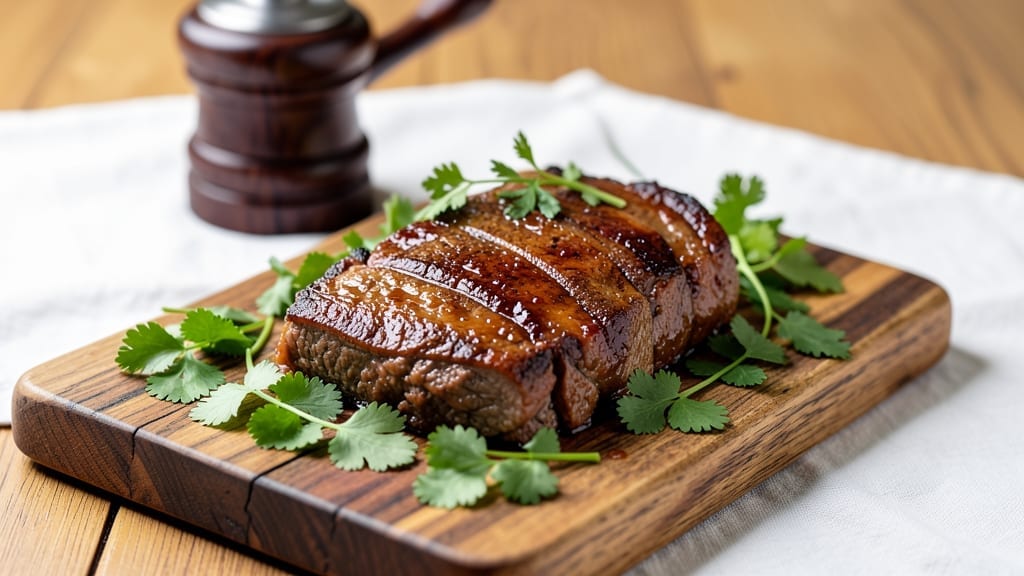
This Chinese stew beef brisket recipe transforms tough cuts into melt-in-your-mouth perfection through slow-simmered technique and aromatic spices. The secret lies in marinating the brisket overnight with soy sauce, ginger, and star anise—a method I perfected after years of experimenting with Chinese braising traditions.
What makes this dish truly special is how the flavors develop as it simmers, creating a rich, velvety broth that tenderizes the meat without overpowering its natural depth.
The process begins with searing the brisket to lock in juices, then slow-cooking it until fork-tender—a technique that delivers restaurant-quality results at home. Traditional Chinese seasonings like soy sauce, five-spice powder, and ginger form the flavor base, while modern touches like a splash of Shaoxing wine elevate the depth.
This method ensures every bite is tender, with meat that practically falls apart while maintaining a satisfying texture.
By the time you serve it, you’ll have a dish that’s hearty enough for a family dinner but elegant enough for company. The aromatic broth pairs beautifully with steamed rice or noodles, making it a complete meal.
The slow simmer means you can prepare it ahead, letting flavors meld even more deeply over time. This is comfort food at its finest—rich, satisfying, and full of warmth.
Whether you’re serving it at a holiday gathering or just craving a hearty weeknight meal, this recipe delivers consistent, professional-quality results. The key is patience—the longer it simmers, the more tender the meat becomes.
Trust the process, and you’ll have a dish that tastes like it came from a Beijing street stall, right in your own kitchen.
Ingredients for chinese stew beef brisket
Aromatic spices and slow-simmered magic. Just these pantry staples transform tough brisket into melt-in-your-mouth perfection.
| Ingredient | Amount | Notes |
|---|---|---|
| Beef Brisket 🥩 | 3 lb | Flat cut, trimmed of fat |
| Soy Sauce 🍶 | ½ cup | High-quality, preferably Japanese |
| Shaoxing Wine 🍷 | ¼ cup | Dry, aromatic variety |
| Ginger Root 🧅 | 2 tbsp | Freshly grated, aromatic |
| Star Anise 🌿 | 2 whole | Whole pods, crushed lightly |
| Five-Spice Powder 🌶️ | 2 tsp | Authentic Chinese blend |
| Garlic Cloves 🧄 | 6 cloves | Peeled, smashed slightly |
| Carrots 🥕 | 2 whole | Medium-sized, cut into chunks |
| Onion 🧅 | 1 whole | Yellow, sliced thickly |
| Dried Shiitake Mushrooms 🍄 | 4 whole | Rehydrated, stems removed |
| Sesame Oil 🫒 | 1 tbsp | Toasted, for finishing |
| Cornstarch 🌾 | 1 tbsp | For thickening broth |
| Water 💧 | 2 cups | For rehydrating mushrooms |
| Salt 🧂 | 1 ½ tsp | Kosher or sea salt |
| Black Pepper 🌶️ | ½ tsp | Freshly ground preferred |
[recipe_ingredient_scaler]
The brisket is the star—flat cut, not point, with visible marbling for tenderness. Costco or local butchers usually carry the best quality, and you’ll want about 3 pounds for four servings. Trim excess fat to avoid greasy broth, but leave some for flavor. For the soy sauce, Japanese brands like Kikkoman or Yamasa add depth over cheaper versions. Shaoxing wine is non-negotiable here—it’s the secret weapon for authentic flavor. If you can’t find it, dry sherry works in a pinch, but it won’t be the same. The star anise and five-spice powder? Penzeys or bulk bins at Asian markets have the freshest, most aromatic options.
No Shaoxing wine? Dry white wine with a splash of soy sauce gets you close, though it won’t have the same complexity. Fresh ginger is ideal, but if you’re using dried, reduce to half the amount—it’s way more concentrated. The mushrooms? Rehydrate them in warm water (not boiling) for 20 minutes, then chop. Don’t skip this step—they add earthy depth to the broth. For the carrots and onion, any variety works, but yellow onions add more sweetness than red. The sesame oil is just for finishing—use the toasted kind for that nutty aroma. If you’re short on time, pre-cut veggies from the grocery store save chopping hassle.
This dish tastes even better the next day—plan ahead. The brisket keeps for 4-5 days in the fridge, and the broth freezes beautifully for 3 months. I always make extra broth to use in noodles or rice dishes later. Store it in airtight containers, and the meat will stay tender if reheated gently. For serving, a sprinkle of toasted sesame seeds adds crunch. Leftovers? Perfect for sandwiches or fried rice—just don’t skip the reheating step. The longer it simmers, the more flavorful it gets.
Why You’ll Love This Recipe
- One-Pot Magic: Honestly, the only cleanup here is washing one pot and a spatula—no chopping boards, no multiple pans. Just sear, simmer, and forget about dishes until later. That’s how I roll on busy nights when I’d rather be sipping wine than scrubbing.
- Star Anise Surprise: The crushed star anise and Shaoxing wine? That’s the secret sauce (literally). It gives you this deep, almost spicy-sweet aroma that lingers—like a hug in a bowl. My roommate kept stealing bites until I told him to stop, but honestly, I didn’t blame him.
- Leftovers? More Like Leftovers Gold: I make this on Sunday, and by Wednesday, I’m still eating it. The brisket gets even better the next day, and the broth freezes like a dream. Need a quick lunch? Boom. Need a soup base for ramen? Boom. It’s the kind of dish that turns into three meals without extra effort.
- Budget Beef Boost: Brisket’s cheap, and a little goes a long way—especially when you’re feeding a crowd. The soy sauce and five-spice powder add flavor without breaking the bank, and the mushrooms stretch it even further. My date night with my wallet? Always a win.
Step-by-step instructions for Chinese stew beef brisket
Here’s how to transform tough brisket into fork-tender perfection with deep, aromatic flavors.
Prepare the Brisket and Aromatics
Trim any remaining fat from the 3 lb beef brisket, leaving about ¼ inch for flavor. Cut the brisket into 3-inch chunks and set aside. In a large bowl, combine the 2 cups water and 4 dried shiitake mushrooms. Let them soak for 20 minutes until softened, then drain and remove stems.
Peel and smash the 6 garlic cloves with the flat side of your knife. Grate the 2 tbsp ginger root finely. Slice the 1 onion into thick rounds and cut the 2 carrots into 2-inch chunks. Lightly crush the 2 star anise pods between your palms to release their aroma without breaking them open completely.
Build the Flavor Base
Heat a Dutch oven over medium-high heat. Add the brisket chunks and sear until browned on all sides, about 5 minutes total. Remove the brisket and set aside. In the same pot, add the onion, carrots, garlic, and ginger. Cook for 3 minutes until fragrant.
Pour in the ¼ cup Shaoxing wine and scrape up any browned bits from the bottom. Add the ½ cup soy sauce, 2 tsp five-spice powder, 1½ tsp salt, and ½ tsp black pepper. Stir to combine, then return the brisket to the pot. Pour in just enough water to come about halfway up the meat—2 cups.
Simmer Until Tender
Bring the liquid to a gentle boil, then reduce heat to low. Cover and simmer for 2 hours, stirring occasionally. After 2 hours, check the brisket—it should be fork-tender with just a slight resistance. If needed, add more water in ¼ cup increments to maintain liquid level.
Here’s the thing—don’t rush this step. The meat needs time to break down completely. You’ll know it’s ready when a fork slides in easily and the meat pulls apart with minimal resistance. The sauce should have thickened slightly and developed a rich, reddish color.
Finish and Thicken the Sauce
Once the brisket is tender, remove it from the pot and set aside. In a small bowl, whisk together the 1 tbsp cornstarch with 1 tbsp of the cooking liquid until smooth. Slowly pour this mixture back into the pot, stirring constantly.
Simmer for 3-4 minutes until the sauce thickens enough to coat the back of a spoon. Stir in the rehydrated shiitake mushrooms and return the brisket to the pot. Let it simmer for another 5 minutes to absorb the flavors. Finish with 1 tbsp sesame oil, tossing gently to coat everything evenly.
Rest and Serve
Let the brisket rest in the sauce for 10 minutes before serving. This allows the juices to redistribute throughout the meat, ensuring each bite is moist and flavorful. Serve hot with steamed rice to soak up that delicious sauce.
Real talk—the first bite should deliver rich, savory flavors with a perfect balance of sweetness from the wine and depth from the star anise. The brisket should be so tender it practically melts in your mouth while maintaining just enough structure to hold together.
Pro Tips For Making Chinese Stew Beef Brisket
- Sear in Batches: I learned this the hard way—crowding the pot turns your brisket into steamed meat instead of seared. Work in two batches if needed, and don’t rush the 5 minutes per side. That crust locks in flavor and keeps the meat juicy during the long simmer.
- Crush Star Anise Right: Smashing those pods too hard releases bitter oils—just give them a firm palm squeeze until they’re wrinkled but still intact. Whole but cracked is what you want, so the aroma infuses without overpowering the dish.
- Test Doneness Early: After 2 hours, the brisket should be tender, but if it’s not, don’t panic—just add water in small batches and keep it simmering. The real giveaway? A fork should glide in like butter, not fight you. No need to overcook; the meat will keep breaking down while resting.
- Toast Sesame Oil Last: Sounds weird, but it works: add the sesame oil after everything’s simmered, then toss gently. If you add it earlier, the heat burns off its nutty aroma—save it for that final coat to wake up the flavors.
Storing and reheating your chinese stew beef brisket
Refrigerator Storage
Let your stewed brisket cool completely (under 2 hours) before transferring to airtight glass containers—I swear by Pyrex for even reheating. Store at 40°F or below for up to 4-5 days, and trust me, the flavors deepen overnight.
The broth becomes richer, and the meat stays tender if you use the right technique. 💛
Freezing the Broth
For the broth alone, freeze in quart-sized freezer bags (squeeze out air to prevent freezer burn). It keeps beautifully for 3 months and works like magic in noodle dishes or rice later. I always make extra—it’s my secret weapon for quick meals. Label with the date so you don’t forget!
Reheating the Whole Dish
Gently reheat on the stovetop in a heavy pot over low heat, adding ¼ cup water to prevent sticking. Cover and simmer for 15-20 minutes until the broth bubbles. Avoid high heat—it can dry out the meat. Stir occasionally to keep everything even. 🔥
Reviving Leftovers
If your stew thickens too much, add warm water or broth in 2-tbsp increments until it reaches your preferred consistency. For extra richness, stir in 1 tsp sesame oil before serving. This trick makes leftovers taste almost as fresh as the day you made them.
Serving Suggestions
Serve with steamed jasmine rice or egg noodles to soak up that luxurious broth. I love sprinkling toasted sesame seeds on top for crunch and visual appeal. The contrast of textures makes every bite feel special. ✨
Nutrition facts
Frequently asked questions
Why does the recipe call for Shaoxing wine instead of regular wine?
Shaoxing wine is the authentic choice for Chinese braising—it’s dry, aromatic, and adds depth that regular wine can’t match. If you can’t find it, dry white wine with an extra ½ cup soy sauce works in a pinch, though the flavor won’t be quite the same. The wine’s natural sweetness helps balance the savory spices while preventing a bitter broth.
How do I know when the brisket is done without cutting into it?
Look for these visual cues: the meat should be fork-tender with just a slight resistance when pressed, and the sauce should thicken slightly with a rich reddish hue. After 2 hours of simmering, check by gently prodding with a fork—if it slides in easily and the meat pulls apart, it’s ready. The broth should also coat the back of a spoon when lifted.
Can I make this dish ahead of time?
This stew tastes even better after resting overnight—the flavors meld more deeply. Store it in an airtight container in the fridge for up to 4-5 days, and the broth freezes beautifully for 3 months. Just reheat gently on low heat with a splash of water to prevent drying out the meat. Leftovers make fantastic fried rice or sandwich fillings!
What should I serve alongside this brisket stew?
Steamed jasmine rice or egg noodles are classic pairings to soak up the rich broth. For extra texture, top with toasted sesame seeds or a sprinkle of chopped scallions. The dish also works well as a filling for bao buns or over mashed potatoes if you’re feeling creative. The key is balancing the hearty stew with something light and neutral.
Why does the recipe include star anise and five-spice powder?
These spices are the soul of Chinese braising—they create layers of warmth and complexity that regular seasonings can’t replicate. Star anise adds a sweet, licorice-like depth, while five-spice powder brings a harmonious blend of cinnamon, clove, fennel, and more. Together, they transform simple brisket into a restaurant-quality dish with just a few pods and a teaspoon of powder.

Trained in classic French technique but raised on slow-cooked ribs and spicy rubs, she blends culinary skill with smoke and soul.
- Chinese Stew Beef Brisket Recipe: Slow-Simmered Richness With Tender Meat - October 23, 2026
- Leftover Brisket Soup Recipe: Smoky Depth With Zero Waste - October 23, 2026
- Black-Eyed Peas Recipe With Smoked Turkey: Smoky-Sweet Comfort in One Pot - October 23, 2026