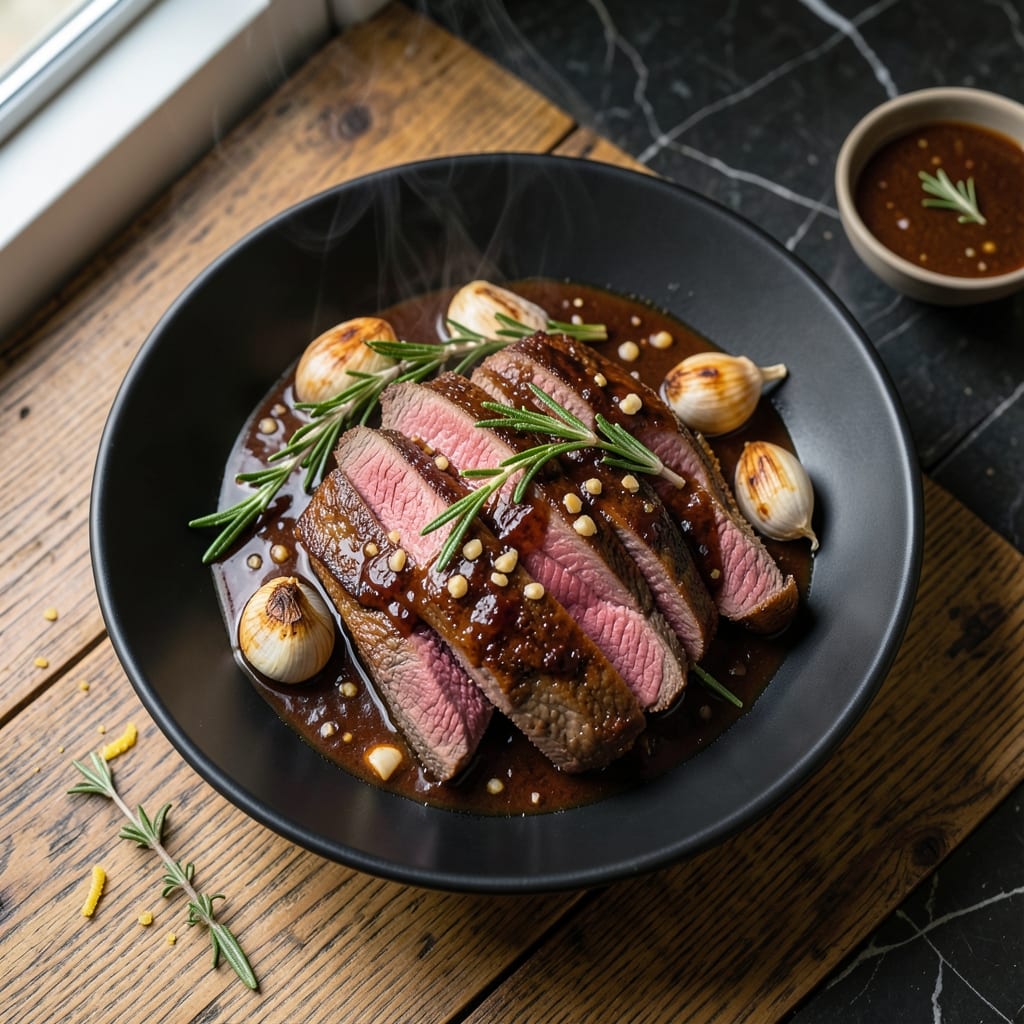
This recipe transforms an affordable cut into a tender, flavorful steak that rivals premium cuts. After years of testing, I’ve perfected the marinade and technique to ensure consistent results every time.
The key is a simple yet effective marinade that breaks down tough fibers while adding depth. A hot grill or cast-iron skillet creates a perfect sear, locking in juices for maximum flavor.
What you’ll achieve is a steak with a caramelized crust and a tender, juicy interior. The marinade infuses every bite with rich, savory notes that elevate this budget-friendly cut.
Ideal for weeknight dinners or weekend cookouts, this method delivers restaurant-quality results with minimal effort.
Ingredients for Beef Mock Tender Steak
A budget-friendly cut elevated with a bold marinade and precise technique for restaurant-quality results.
| Ingredient | Amount | Notes |
|---|---|---|
| Beef Mock Tender Steak 🥩 | 1 ½ lb | Cut into 1-inch strips |
| Soy Sauce 🫒 | ½ cup | Low-sodium preferred for balance |
| Worcestershire Sauce 🫒 | 2 tbsp | Adds umami depth to marinade |
| Olive Oil 🫒 | ¼ cup | Extra-virgin for richness |
| Garlic Cloves 🧄 | 4 cloves | Minced for maximum flavor |
| Fresh Rosemary 🌿 | 2 tbsp | Finely chopped, stems discarded |
| Fresh Thyme 🍃 | 2 tbsp | Leaves stripped from stems |
| Dijon Mustard 🟡 | 1 tbsp | Smooth variety for emulsification |
| Black Pepper 🌶️ | 1 tbsp | Coarsely ground for texture |
| Kosher Salt 🧂 | 1 tsp | Diamond Crystal preferred for even distribution |
| Brown Sugar 🟤 | 1 tbsp | Light or dark for caramelization |
| Red Wine Vinegar 🫒 | 1 tbsp | Balances richness of marinade |
| Lemon Juice 🍋 | 1 tbsp | Freshly squeezed for brightness |
[recipe_ingredient_scaler]
The beef mock tender is the star—look for good marbling at Whole Foods or your local butcher. Ask them to cut it into 1-inch strips for you (saves time). The soy sauce and Worcestershire form the flavor base, so use low-sodium soy to control the salt. I prefer Diamond Crystal kosher salt for its clean taste and even distribution. Fresh herbs make a noticeable difference—don’t substitute dried here.
No Worcestershire? More soy sauce plus a dash of fish sauce (if not avoiding fish) works in a pinch. Fresh out of rosemary or thyme? Dried at one-third the amount, but fresh is ideal for this marinade. If you don’t have Dijon, whole-grain mustard adds a nice texture, though the flavor will be slightly different. The brown sugar can be swapped for honey if preferred.
Marinate the steak for at least 4 hours (overnight is best). Cook immediately after removing from marinade. Leftovers keep for 3-4 days in the fridge—great for steak sandwiches. Freeze uncooked marinated steak for up to 3 months.
Why You’ll Love This Recipe
- One Pan Wonder: I just sear the steak, toss in minced garlic, and let the soy and Worcestershire do their magic in the same pan.
- Crave-Worthy Depth: The combo of garlic, soy, and Worcestershire gives it that rich, savory punch I can’t get enough of.
- Weeknight MVP: Honestly, it’s my go-to for busy evenings—quick to cook and fancy enough for company.
- Budget-Friendly Feast: Mock tender is affordable, and a little goes a long way, especially with those bold flavors soaking in.
Step-by-Step Instructions for Beef Mock Tender Steak
This method ensures maximum tenderness and flavor for a perfectly grilled result every time.
Step 1: Prepare the Marinade Base
In a medium bowl, whisk together the 0.5 cup soy sauce, 2 tbsp Worcestershire sauce, 0.25 cup olive oil, 1 tbsp Dijon mustard, 1 tbsp red wine vinegar, and 1 tbsp lemon juice until fully emulsified. The mixture should appear slightly thickened and uniform in color.
Add the 1 tbsp brown sugar, 1 tsp kosher salt, and 1 tbsp black pepper, stirring until the sugar and salt dissolve completely. This balanced blend of acidic, sweet, and umami elements forms the foundation of your marinade’s complex flavor profile.
Step 2: Incorporate Aromatics
Finely mince the 4 cloves garlic cloves and chop the 2 tbsp fresh rosemary and 2 tbsp fresh thyme. I recommend stripping the thyme leaves from their stems first for easier chopping. The herbs should be finely minced to distribute their essential oils evenly throughout the marinade.
Add the minced garlic, rosemary, and thyme to the marinade base. Stir thoroughly to combine, pressing the herbs against the bowl’s sides to release their aromatic oils. The mixture should become noticeably more fragrant at this stage.
Step 3: Marinate the Beef
Place the 1.5 lb beef mock tender steak, cut into 1-inch strips, in a resealable plastic bag or shallow dish. Pour the completed marinade over the beef, ensuring all pieces are fully coated. Massage the marinade into the meat for 30 seconds to guarantee even distribution.
Seal or cover and refrigerate for at least 4 hours, or preferably overnight. This extended marination time allows the acidic components to begin tenderizing the meat while the flavors penetrate deeply. The beef should appear slightly darker in color when properly marinated.
Step 4: Grill to Perfection
Preheat your grill to medium-high heat. Remove the beef from the marinade (discard remaining marinade) and grill for 4-5 minutes per side for medium-rare doneness. The strips should develop a rich, caramelized crust and reach an internal temperature of 130-135°F.
Look for distinct grill marks and slight charring on the edges as visual indicators of proper cooking. The beef will continue cooking slightly after removal from the grill due to carryover heat, so err on the side of pulling it off just before it reaches your desired doneness.
Step 5: Rest and Serve
Transfer the grilled beef to a cutting board and tent loosely with aluminum foil. Allow it to rest for 5-10 minutes before serving. This resting period lets the juices redistribute throughout the meat, ensuring each bite remains moist and flavorful.
The beef should retain its vibrant color with a glossy, caramelized exterior. Slice against the grain if desired, though the pre-cut strips make this particularly convenient for serving. The result should be exceptionally tender with a perfect balance of savory, herbal, and slightly sweet notes.
Pro Tips For Making Beef Mock Tender Steak
- Sear Hot and Fast: Crank your pan to high heat before adding the steak—mock tender can get tough if it stews instead of sears. I learned this the hard way after my first attempt came out gray and chewy.
- Pound the Steak: Use a meat mallet to gently pound the steak to an even ½-inch thickness. This ensures even cooking and breaks up some of the tough fibers in mock tender.
- Rest Before Slicing: Give the steak a solid 5-10 minutes under foil after cooking, or all those juices will end up on your cutting board. Sounds weird, but it works.
- Mince Garlic Fine: Finely mince the garlic cloves—almost to a paste—so they melt into the soy and Worcestershire sauce instead of burning. After burning three batches, I finally figured out smaller pieces mean better flavor.
Common Mistakes When Making This Dish
Over-Marination Pitfalls
While marinating is crucial, leaving the beef in the mixture for more than 24 hours can break down the proteins too much, resulting in a mushy texture. I learned this the hard way when testing recipes for Sunday dinners—4-12 hours is the sweet spot for this cut. 💡
Skipping the Rest
Never skip the 5-10 minute rest after grilling. Cutting too soon causes all those precious juices to spill onto the cutting board instead of staying in the meat. I always tent with foil to keep it warm while it rests.
Inconsistent Strip Sizing
Cutting the steak into uneven strips leads to some pieces overcooking while others remain underdone. Aim for uniform 1-inch strips so everything cooks evenly. My butcher at the local market always gets this right for me.
High Heat Problems
Using high heat instead of medium-high can burn the sugars in the marinade before the beef cooks through. The perfect sear happens at 375-400°F, creating a caramelized crust without charring the outside.
Neglecting to Pat Dry
Failing to pat the steak dry before grilling prevents a good sear. After marinating, always blot with paper towels. This small step makes a noticeable difference in the final texture.
Trust me, your steak will thank you with a better crust. ✨
Nutrition Facts
Frequently Asked Questions
What’s the best way to slice this steak?
Always slice against the grain for maximum tenderness. For this cut, the pre-marinated strips make serving easy—just arrange on a platter.
Can I cook this indoors?
Use a cast-iron skillet on medium-high heat for 4-5 minutes per side. The results are just as delicious as grilling.
How do I know when it’s done?
Use a meat thermometer: 130-135°F for medium-rare. Look for a caramelized crust and slight char on the edges.
Can I use dried herbs instead?
Yes, but use 1/3 the amount of fresh. Dried herbs are more concentrated, so adjust to avoid overpowering the marinade.

Trained in classic French technique but raised on slow-cooked ribs and spicy rubs, she blends culinary skill with smoke and soul.
- Recipe for Boneless Pork Chops in Cast Iron Skillet: Sear and Baste to Juicy Perfection - October 3, 2026
- Recipe for Boneless Cross Rib Roast: Slow-Roasted Beef with Herb Crust - October 3, 2026
- Hamburgers in Sauce Recipe Crock Pot: Slow-Cooked Savory Delight - October 3, 2026